
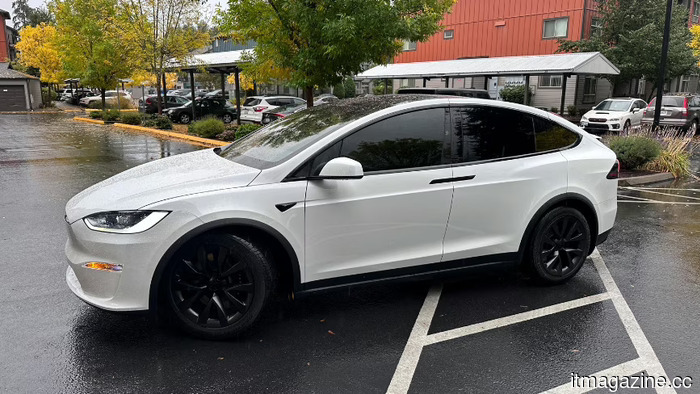
Tesla operates 42 robotaxis in Texas, while Waymo has 577. This difference is now part of public records.
Summary: Texas DMV records indicate that Tesla operates 42 robotaxis, while Waymo has 577. Despite previously stating it was a Level 2 operator, Tesla self-certified its vehicles as Level 4. The figures were released on May 28 as part of a new Texas law enhancing state oversight of commercial driverless vehicle operators. Tesla’s count is less than one-tenth of Waymo’s in Texas, while another operator, AV Ride, has 317 authorized vehicles and Zoox from Amazon has 35. This is the first time fleet sizes have been made a public record.
The new legislation mandates that operators self-certify their vehicles as Level 4 autonomous, meaning they can function without a human driver in typical conditions. While Waymo has consistently designated its robotaxis as Level 4, Tesla previously informed regulators that most of its vehicles incorporate Level 2 driver assistance systems. Tesla has not revealed how it self-certified its Austin fleet as Level 4 and did not respond to inquiries from CNBC. The distinction between Level 2 (where a driver must always supervise) and Level 4 (which requires no driver) is critical in the realm of autonomous vehicles.
Since June 2025, Tesla has been running its Robotaxi service in Austin. Reports from NHTSA indicate 17 known incidents involving the fleet from July 2025 to April 2026, with two resulting in minor injuries, one of which necessitated hospitalization. All incidents took place while human safety supervisors were present.
According to a recent Reuters report, seven out of nine ex-Tesla data labelers expressed reluctance to ride in an FSD-operated vehicle, citing frequent speeding and system failures that engineers reportedly considered low-priority issues.
Waymo has faced its challenges too, recently halting services in five US cities after its robotaxis drove into standing water despite a software fix aimed at preventing such occurrences. However, Waymo boasts a commercial fleet of nearly 4,000 vehicles nationwide and conducts over 500,000 paid trips weekly, highlighting a significant structural difference in scale compared to Tesla.
Tesla is banking on the future of driverless vehicles for growth as competition in the electric vehicle market heats up. Last week, it confirmed the availability of FSD in China, although it remains uncertain whether consumers can activate it there; it is categorized as Level 2 in China. The self-certification in Texas raises questions about whether vehicles have differing capability levels across jurisdictions.
Tesla has applied for driverless testing permits in Arizona, Nevada, and Florida but has not yet initiated paid driverless rides in those states. Elon Musk has repeatedly claimed that fully autonomous driving is just around the corner, yet the reality reflected by the Texas database shows only 42 vehicles in one city.
Meanwhile, Waymo is rapidly expanding its services, recently launching in Ojai, California, with plans to extend into San Diego, Las Vegas, and Detroit this year. The company's goal is to reach one million paid rides per week by the end of 2026, while Tesla's target for the same timeframe remains undisclosed.
The Texas database will continue to be updated as operators adjust their vehicle counts, providing the first objective, government-verified comparison of fleet sizes in a region where both companies operate. The data clearly shows that while Tesla's aspirations for robotaxis are genuine, its fleet is not yet competitive with Waymo.
Other articles
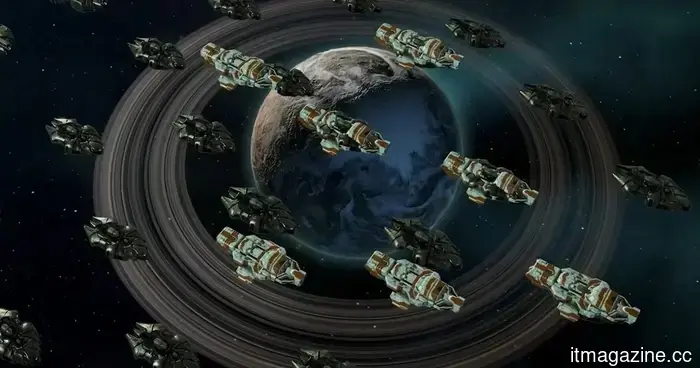 A comprehensive list of all Stellaris cheats and console commands.
Console commands in Stellaris can assist you in adding resources, accelerating research, initiating events, and testing empire constructions, but it's essential to first learn the correct commands.
A comprehensive list of all Stellaris cheats and console commands.
Console commands in Stellaris can assist you in adding resources, accelerating research, initiating events, and testing empire constructions, but it's essential to first learn the correct commands.
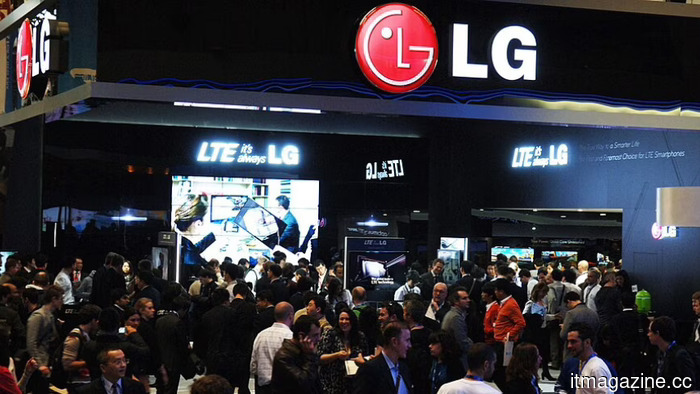 LG Electronics shares surged by 24% in a single day following the introduction of Google-powered automotive technology that reduces expenses for car manufacturers.
LG's latest multi-display system operates on Android Automotive OS and utilizes a single chip to manage several screens. The market is expected to reach $2.14 billion by 2035.
LG Electronics shares surged by 24% in a single day following the introduction of Google-powered automotive technology that reduces expenses for car manufacturers.
LG's latest multi-display system operates on Android Automotive OS and utilizes a single chip to manage several screens. The market is expected to reach $2.14 billion by 2035.
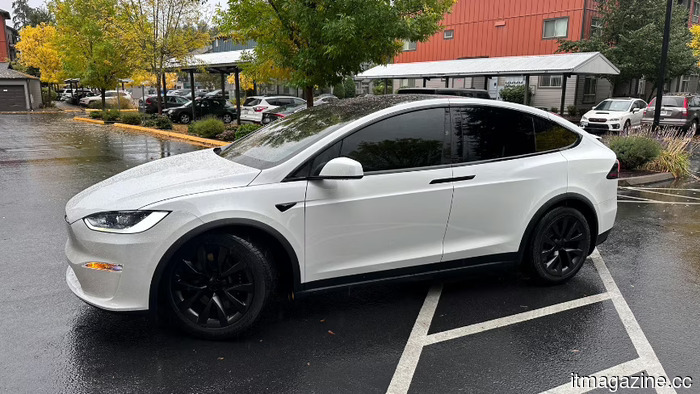 Tesla operates 42 robotaxis in Texas, while Waymo has 577. This difference is now a matter of public record.
A new law in Texas required both companies to register their vehicle fleets. Tesla self-classified its cars as Level 4, despite having previously informed regulators that they were Level 2.
Tesla operates 42 robotaxis in Texas, while Waymo has 577. This difference is now a matter of public record.
A new law in Texas required both companies to register their vehicle fleets. Tesla self-classified its cars as Level 4, despite having previously informed regulators that they were Level 2.
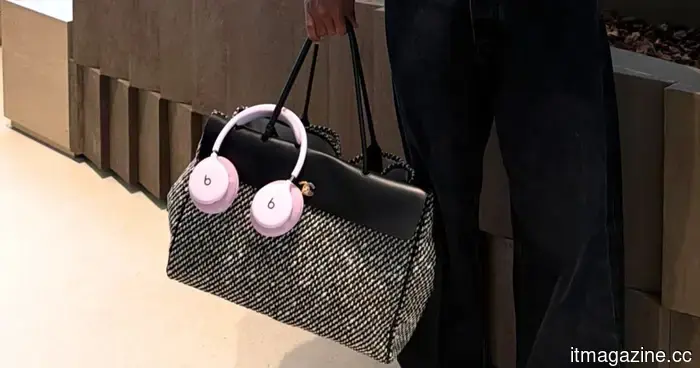 Apple is set to release new Beats headphones, and FC Barcelona star Lamine Yamal is already seen wearing them.
A pair of yet-to-be-released Beats over-ear headphones was showcased on Instagram by Lamine Yamal, the star from Barcelona and Spain.
Apple is set to release new Beats headphones, and FC Barcelona star Lamine Yamal is already seen wearing them.
A pair of yet-to-be-released Beats over-ear headphones was showcased on Instagram by Lamine Yamal, the star from Barcelona and Spain.
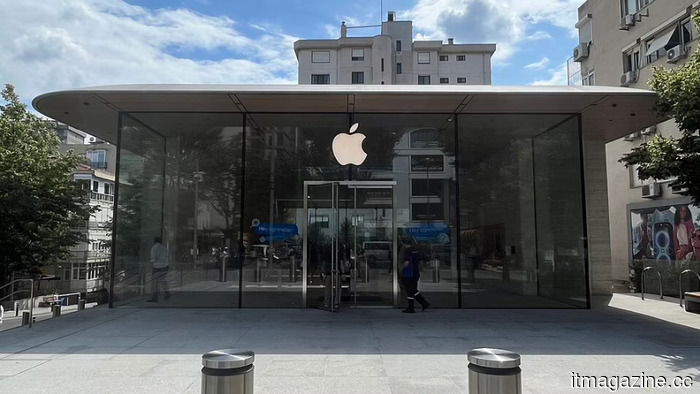 Apple has disrupted the mid-range watch market. Now, it is setting its sights on the $200 billion eyewear sector.
Swatch's revenue declined by 28%, while Fossil experienced a 70% drop following the release of the Apple Watch. Apple intends to use a similar strategy for glasses, aiming for a launch in late 2027.
Apple has disrupted the mid-range watch market. Now, it is setting its sights on the $200 billion eyewear sector.
Swatch's revenue declined by 28%, while Fossil experienced a 70% drop following the release of the Apple Watch. Apple intends to use a similar strategy for glasses, aiming for a launch in late 2027.
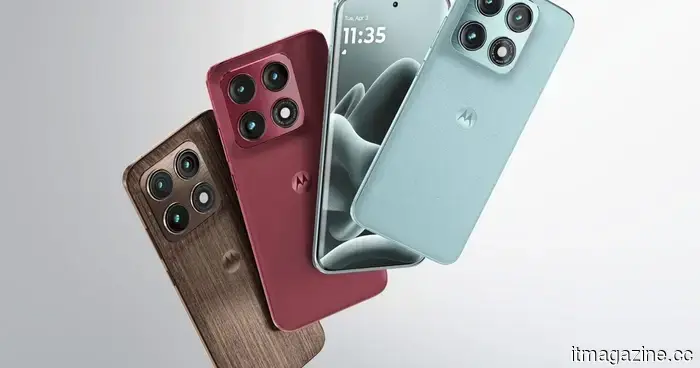 Motorola has just unveiled details about its upcoming Android phone, which might be the ideal mid-range device for you.
The forthcoming Motorola mid-range device features three 50MP cameras, which includes a periscope telephoto lens, a 6,500mAh battery, 90W wired charging, and will run on Android 16 at the time of its release.
Motorola has just unveiled details about its upcoming Android phone, which might be the ideal mid-range device for you.
The forthcoming Motorola mid-range device features three 50MP cameras, which includes a periscope telephoto lens, a 6,500mAh battery, 90W wired charging, and will run on Android 16 at the time of its release.
Tesla operates 42 robotaxis in Texas, while Waymo has 577. This difference is now part of public records.
A new law in Texas required both companies to register their fleets. Tesla self-certified its vehicles as Level 4, even though it had previously informed regulators that they were Level 2.