
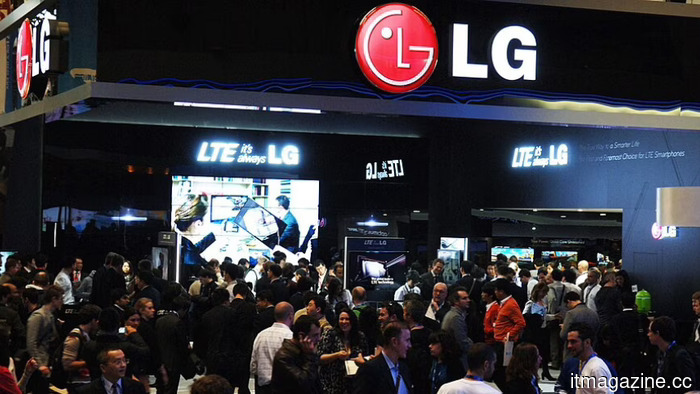
LG Electronics shares surged by 24% in a single day following the introduction of Google-powered automotive technology that reduces expenses for car manufacturers.
LG Electronics saw its shares rise by nearly 24% following the introduction of its car display technology based on Android Automotive. This system helps reduce costs for automakers deploying multiple displays.
After the announcement of a suite of automotive solutions leveraging Google's Android Automotive OS, LG's stock jumped as much as 23.95%, with the last recorded price at 279,500 won. This marked one of the most significant single-day stock fluctuations for the company in recent years.
The main offering is a multi-display system that uses a single system-on-chip to manage various in-car displays with different aspect ratios simultaneously. Traditional in-vehicle display systems typically require separate processors for each screen. LG's solution claims to help automakers considerably lower the costs associated with implementing multi-display systems within vehicles.
The Android Automotive OS is becoming increasingly popular, as it allows drivers to use apps directly in their cars without needing a smartphone as an intermediary. According to Future Market Insights, the global AAOS market was valued at $895.6 million in 2025 and is expected to grow to $2.14 billion by 2035.
The market's response reflects a broader trend among investors: vehicles are evolving into software-driven platforms. Automakers are transitioning from proprietary infotainment systems to Android-based structures that provide app ecosystems, over-the-air updates, and integration with Google services like Maps, Assistant, and now Gemini AI.
While Tesla has operated on a proprietary software framework, many traditional automakers lack the engineering resources to create and support their own operating systems. Android Automotive offers them a competitive software experience without the associated development costs. Companies such as Volvo, Polestar, GM, Ford, and Honda, alongside LG’s automotive clients, utilize some iteration of this platform.
LG already plays a significant role in the automotive supply chain as one of the leading manufacturers of vehicle displays and battery components. Incorporating a software-hardware integration layer with Android Automotive enhances its appeal to automakers looking for a unified supplier for displays, processors, and the operating system that links them.
The shift towards software-defined vehicles in the automotive sector is one of the underlying factors contributing to the recent 20,000 white-collar job cuts at Detroit's Big Three automakers. The necessary skills for car manufacturing are evolving, and companies like LG are positioning themselves to take on the engineering responsibilities that automakers are relinquishing.
A 24% stock increase following a product announcement indicates that investors perceive LG’s automotive software initiative as a potential turning point for the company. However, whether this will result in significant contract acquisitions and revenue growth at the level the market anticipates remains uncertain. Although the AAOS market is expanding, it is still comparatively small relative to LG’s overall revenue, with the expectation that it won’t remain small for long.
Other articles
 A 9-gigawatt data center has caused anger in a Utah community. The governor has just implemented new regulations.
Governor Cox signed an executive order establishing a "higher standard" for the development of data centers following protests triggered by Kevin O'Leary's 40,000-acre Stratos Project.
A 9-gigawatt data center has caused anger in a Utah community. The governor has just implemented new regulations.
Governor Cox signed an executive order establishing a "higher standard" for the development of data centers following protests triggered by Kevin O'Leary's 40,000-acre Stratos Project.
 China has urged its tech giants to cease price wars and focus on investing in AI instead.
A journal affiliated with the Communist Party indicated a transition from repression to regulated expansion. Platforms are instructed to limit price competition and enhance their investments in AI and cloud technology.
China has urged its tech giants to cease price wars and focus on investing in AI instead.
A journal affiliated with the Communist Party indicated a transition from repression to regulated expansion. Platforms are instructed to limit price competition and enhance their investments in AI and cloud technology.
 Is Rust a cross-platform language?
Rust is essentially designed as a multiplayer-exclusive experience. Although you can play on various platforms, there is a limitation.
Is Rust a cross-platform language?
Rust is essentially designed as a multiplayer-exclusive experience. Although you can play on various platforms, there is a limitation.
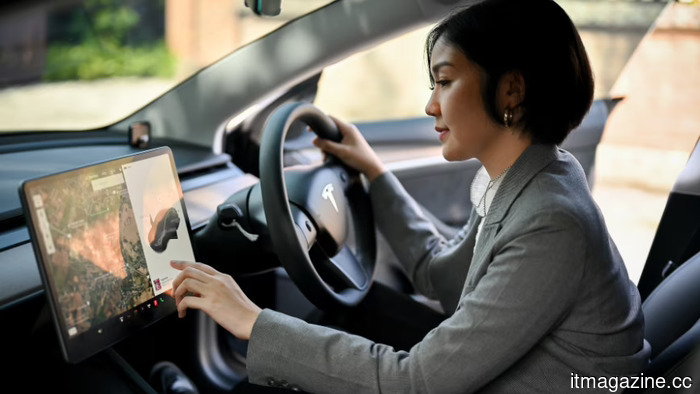 The individuals who developed Tesla's self-driving AI choose not to use it.
A Reuters investigation revealed that individuals involved in training Tesla's self-driving AI often observed it exceeding speed limits. Engineers considered this concern to be of low importance.
The individuals who developed Tesla's self-driving AI choose not to use it.
A Reuters investigation revealed that individuals involved in training Tesla's self-driving AI often observed it exceeding speed limits. Engineers considered this concern to be of low importance.
 DuckDuckGo installations surged by 18% following Google's removal of blue links, with a notable increase of 70% on Apple devices.
The revamp of Google’s AI search during the I/O event led to a six-day increase in DuckDuckGo downloads. There was a 23% rise in traffic to its search page without AI. The CEO refers to it as an exodus.
DuckDuckGo installations surged by 18% following Google's removal of blue links, with a notable increase of 70% on Apple devices.
The revamp of Google’s AI search during the I/O event led to a six-day increase in DuckDuckGo downloads. There was a 23% rise in traffic to its search page without AI. The CEO refers to it as an exodus.
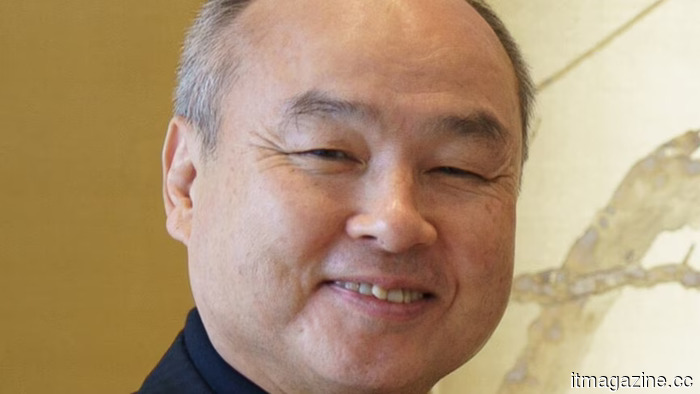 SoftBank is committing €75 billion to develop 5 gigawatts of AI data centers in France. This marks Son's largest investment in Europe.
The initial phase aims to provide 3.1 GW in northern France by 2031 at a cost of €45 billion. Macron personally engaged with Son, who found the president's dedication to be "impressive."
SoftBank is committing €75 billion to develop 5 gigawatts of AI data centers in France. This marks Son's largest investment in Europe.
The initial phase aims to provide 3.1 GW in northern France by 2031 at a cost of €45 billion. Macron personally engaged with Son, who found the president's dedication to be "impressive."
LG Electronics shares surged by 24% in a single day following the introduction of Google-powered automotive technology that reduces expenses for car manufacturers.
LG's latest multi-display system operates on Android Automotive OS and utilizes a single chip to manage several screens. The market is expected to reach $2.14 billion by 2035.