
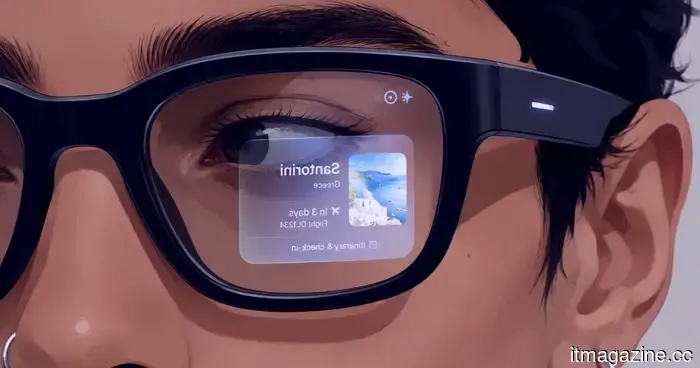
Smart glasses have made a comeback, and this time they’re attempting to appear ordinary.
Over ten years ago, when I was still an optimistic tech reporter, I watched the video for Google’s Project Glass and came embarrassingly close to tears. The vision of the future in that advertisement appeared so pristine. Directions hovered in your field of vision. You could take photos just by speaking. Life seemed seamless, interconnected, and just stylish enough to make the idea of wearing a small computer on your face feel profound rather than crazy.
I recall thinking to myself that we were now living in the future.
Then, Google Glass became a reality, reaching early adopters in 2013, and the future was quickly tarnished with the term “glassholes.” Google first sold early Explorer units to a select group of users before Glass became available to the public in the US in 2014.
Fast forward a decade and a pandemic later, the category has reemerged, now appearing more composed and better styled.
How face tech has refined its approach
What frustrates me is that this new generation feels distinct.
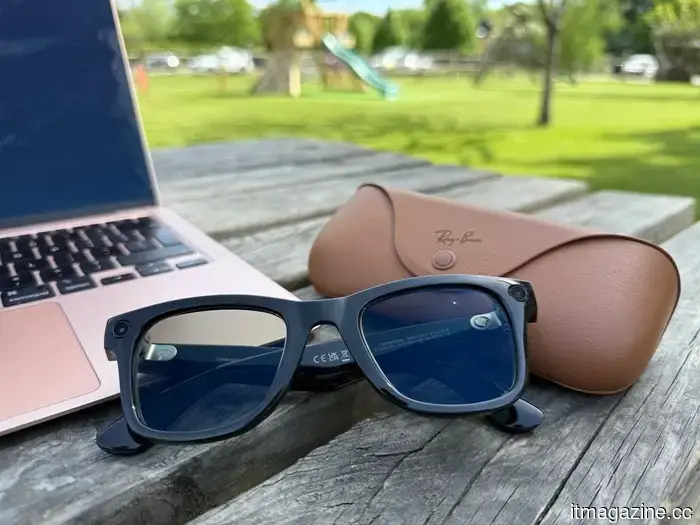
Google Glass burst onto the scene like a gadget from a keynote presentation that had somehow slipped out. The current approach is much gentler. Meta has already done some of the social adjustment with Ray-Ban Meta glasses, which resemble regular sunglasses enough that the technology becomes less noticeable. EssilorLuxottica reportedly indicated that Ray-Ban Meta glasses sold 2 million units by early 2025 and later reported a significant increase in smart glasses sales.
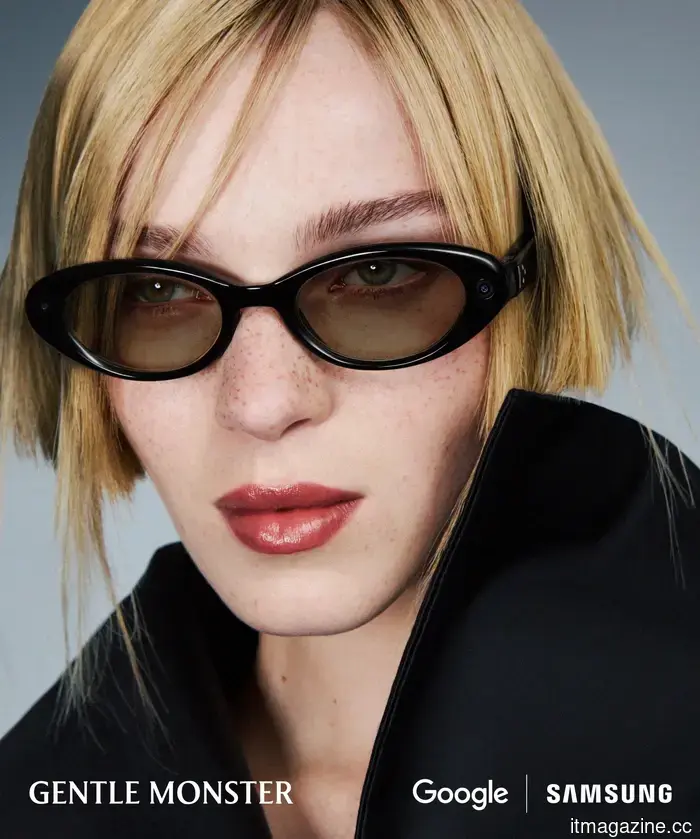
Google and Samsung are now following a similar path with Android XR eyewear, collaborating with Warby Parker and Gentle Monster. This shift alters the atmosphere. It’s no longer a tech company asking users to don a prototype in public and act as if it’s normal. Instead, technology is nestled within brands that people associate with style, identity, and the idea of “these frames make me look more alert.”
Google’s latest pitch incorporates Gemini into the experience, providing directions, texts, photos, and various other smartphone-related tasks directly through the glasses. Google claims that frames from Gentle Monster and Warby Parker are part of this smart eyewear initiative. Samsung and Google are also positioning this category around fashion and AI rather than sheer gadgetry.
The marketing has been refined impressively. These are apparently just regular glasses, albeit ones that contain cameras, microphones, speakers, and an AI assistant.
The oddity hasn’t disappeared; it simply has better frames now.
Why I still want to roll my eyes
Despite all of this, my instinctive reaction remains: stop trying to force smart glasses into existence.
Certain tech concepts often feel less innovative and more like they are being repeatedly resurrected. This is one of those cases. It keeps returning with improved design, a more capable assistant, a trendier facade, but the underlying social dilemma remains the same: what happens when someone’s face becomes a recording device?
That discomfort doesn’t dissipate just because the frames are more stylish. In fact, the disguise might make the issue feel more slippery. A phone camera makes its presence known because someone has to pull out a phone, point it, and become noticeably bothersome in a conventional manner. Glasses are subtler. They obscure the lines between observing, recording, asking an assistant for help, and turning everyone nearby into mere background data.
The versions without cameras almost clarify the issue. They’re obviously better for privacy, but without the lens, the whole concept begins to resemble earbuds that got overly ambitious and learned to accommodate prescription lenses. You still get audio, access to an assistant, possibly notifications or translation, but the AI can’t actually see what you see.
Halliday AI smart glasses. Halliday
This trade-off may be why the category continually gravitates toward the same uneasy core. The most useful version also prompts people to regard your face with skepticism. The safest version is simpler to accept but also easier to overlook. Somewhere between those two versions lies the product that tech companies keep attempting to convince us we already desired.
This leaves the category grappling with an uncomfortable compromise. The camera provides a compelling reason for the product's existence, but it also casts a social shadow over the entire concept.
This is where the category still feels unfinished. Tech companies can meticulously design the hardware, refine the assistant, and partner with reputable eyewear brands. However, they cannot instantly establish the social etiquette for wearing a tiny recording device in a restaurant, classroom, office, or home. Phones eventually became commonplace, but only after everyone had clumsily mishandled them for years.
Why I may be mistaken again
The issue is that I’ve been confidently wrong in the past.
When COVID first began to dominate the headlines, I remember thinking it was just another story being exaggerated. I don’t mention this as a testament to sound judgment. Two years later, I barely left my home and gained 30 pounds. To say I was incorrect would be an understatement.
Smart glasses are not a pandemic. Please, let’s not trivialize pandem

Other articles
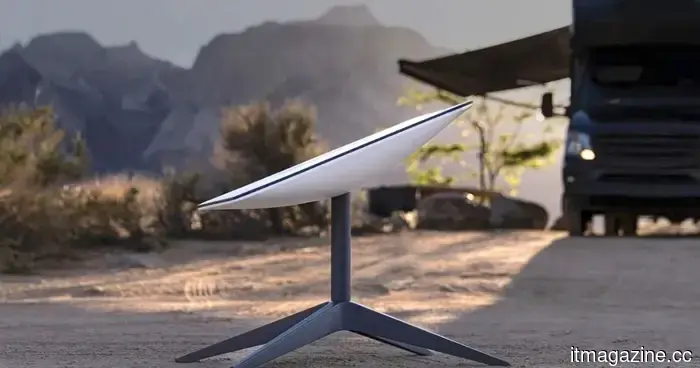 Starlink Mini might eventually disconnect from the cord with a dish that operates on batteries.
Recent references in Starlink firmware suggest the potential development of a battery-powered Starlink Mini, with code indicating battery charge statistics, charging status, as well as USB-C, battery, and combined power modes.
Starlink Mini might eventually disconnect from the cord with a dish that operates on batteries.
Recent references in Starlink firmware suggest the potential development of a battery-powered Starlink Mini, with code indicating battery charge statistics, charging status, as well as USB-C, battery, and combined power modes.
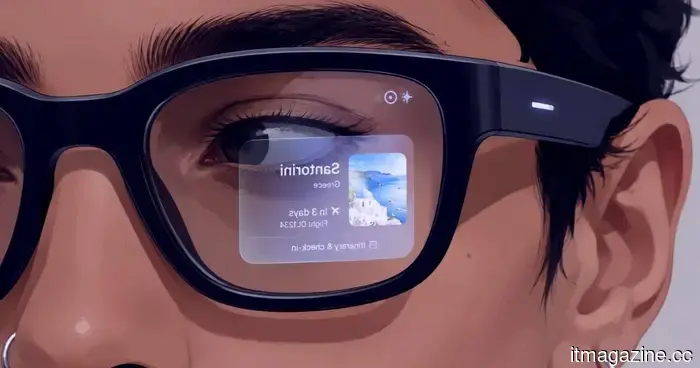 Smart glasses have returned, and this time they’re trying to mimic regular eyewear.
Smart glasses are making a comeback with improved designs, subtler branding, and AI integrated into a more conventional appearance. While this may enhance their wearability, it does not diminish the social awkwardness of having cameras mounted on the face.
Smart glasses have returned, and this time they’re trying to mimic regular eyewear.
Smart glasses are making a comeback with improved designs, subtler branding, and AI integrated into a more conventional appearance. While this may enhance their wearability, it does not diminish the social awkwardness of having cameras mounted on the face.
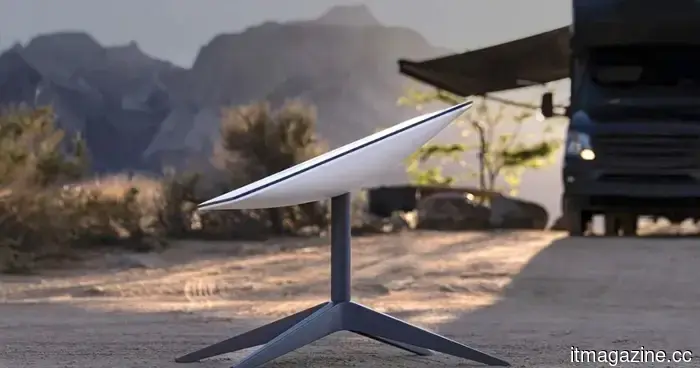 Starlink Mini could potentially eliminate the need for a wired connection with its battery-operated dish.
References in the new Starlink firmware suggest the potential development of a battery-powered Starlink Mini, with code that includes details about battery charge statistics, charging status, and modes for USB-C, battery, and combined power.
Starlink Mini could potentially eliminate the need for a wired connection with its battery-operated dish.
References in the new Starlink firmware suggest the potential development of a battery-powered Starlink Mini, with code that includes details about battery charge statistics, charging status, and modes for USB-C, battery, and combined power.
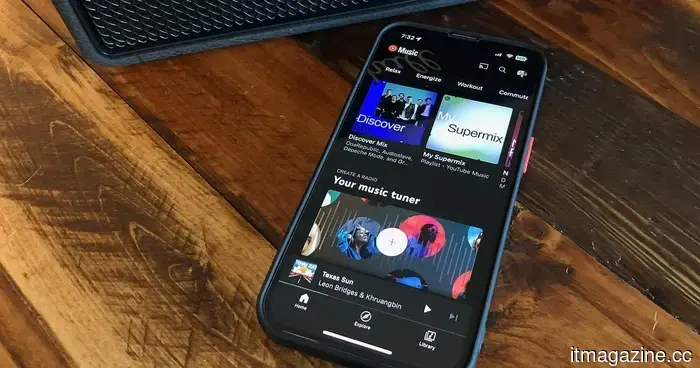 YouTube Music playlists are receiving new sorting features, and it's well overdue.
YouTube Music is at last introducing new options for sorting playlists, allowing users to have greater control over the organization of their libraries.
YouTube Music playlists are receiving new sorting features, and it's well overdue.
YouTube Music is at last introducing new options for sorting playlists, allowing users to have greater control over the organization of their libraries.
 YouTube Music playlists are receiving updated sorting options, and it's long overdue.
YouTube Music is now introducing new options for sorting playlists, allowing users greater control over the organization of their libraries.
YouTube Music playlists are receiving updated sorting options, and it's long overdue.
YouTube Music is now introducing new options for sorting playlists, allowing users greater control over the organization of their libraries.
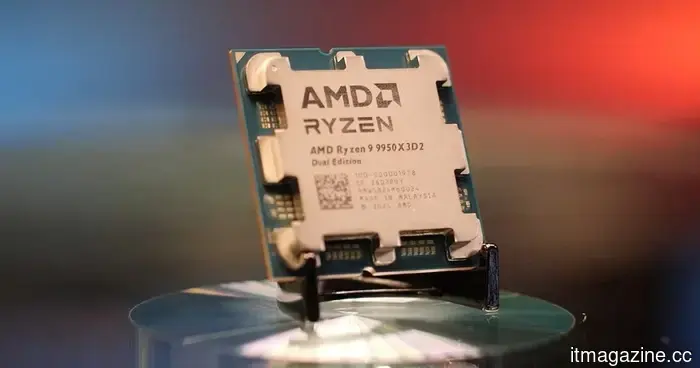 AMD is said to be preparing Zen 7 processors based on the 14A node to compete with Intel effectively.
AMD's upcoming Zen 7 processors may utilize TSMC's A14 node, creating a new competition with Intel's 14A strategy.
AMD is said to be preparing Zen 7 processors based on the 14A node to compete with Intel effectively.
AMD's upcoming Zen 7 processors may utilize TSMC's A14 node, creating a new competition with Intel's 14A strategy.
Smart glasses have made a comeback, and this time they’re attempting to appear ordinary.
Smart glasses are making a comeback with improved designs, subtler branding, and AI integrated into a form that appears nearly ordinary. While this may enhance their wearability, it does not lessen the social awkwardness of having cameras mounted on the face.