
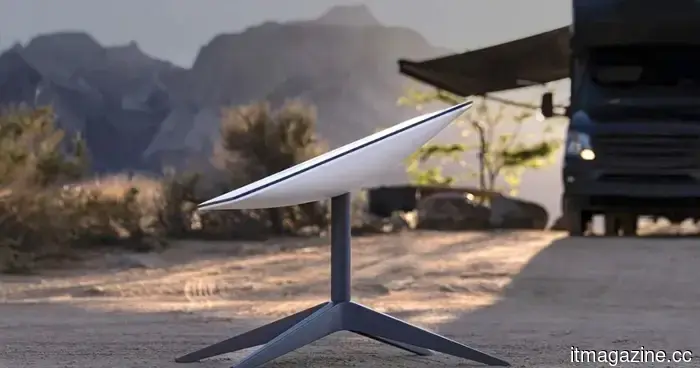
Starlink Mini could potentially eliminate the need for a wired connection with its battery-operated dish.
SpaceX is addressing the most significant portability issue with Starlink.
Starlink Mini is already designed for on-the-go internet access and has gained popularity among travelers, campers, vanlifers, and those living off-grid. Recent firmware indications suggest that SpaceX might enhance its portability further by incorporating a battery into the dish itself.
A PCMag report highlights that researcher Jinwei Zhao noticed new strings in the Starlink firmware hinting at a potential Starlink Mini model with a built-in battery. A notable clue is the introduction of a new reference, DishBatteryStats, which appears to provide battery-specific information rather than merely indicating that the dish is connected to an external power bank.
What was unveiled in the firmware?
The GitHub proto file mentioned in the report reveals a DishBatteryStats message, indicative of hardware that tracks its own battery performance. This file also outlines three power-source states: USBC, BATTERY, and USBC_AND_BATTERY, implying that the forthcoming hardware could function using USB-C, an internal battery, or both simultaneously.
However, it’s important to note that this doesn't confirm an entirely new Starlink Mini from SpaceX. There's no information available regarding pricing, launch dates, battery capacity, or final design. Nonetheless, this aligns with the desires of Starlink Mini users, who are looking for fewer wires and reduced reliance on bulky external batteries.
Why this is a positive development
A Starlink dish mounted on a moving vehicle. SpaceX
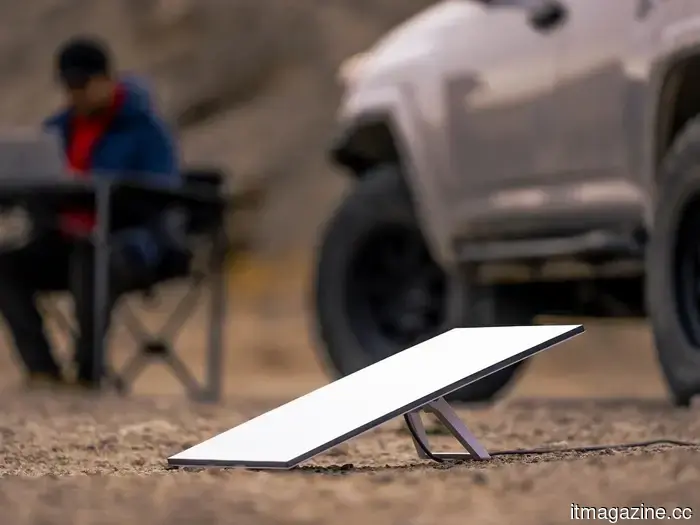
The existing Starlink Mini can already be powered by portable batteries, which is a significant advantage. Presently, the portable dish operates with a USB-C power bank if set up correctly. The downside is that users need a compatible battery and the appropriate cable, as the Mini requires 100W USB-C Power Delivery and is not compatible with 65W or lower USB-PD supplies.
The current kit also comes with an AC wall adapter and a long cable equipped with 5521 barrel connectors. Therefore, the addition of an integrated battery would be a valuable upgrade. Although third-party batteries exist, a version created by SpaceX could integrate more seamlessly with the Starlink app, provide battery data, charging controls, and warranty support.
---
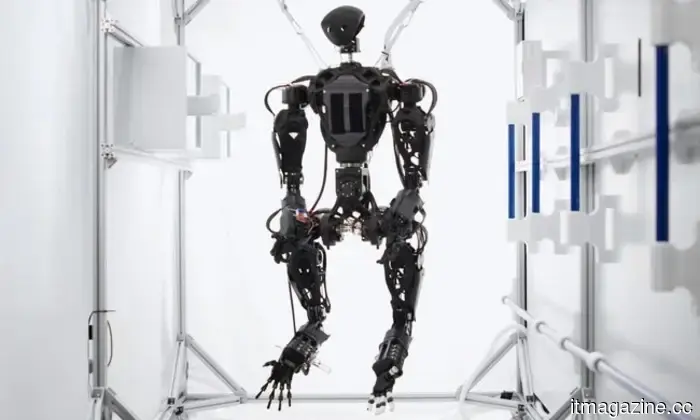
China will assign unique ID codes to humanoid robots, similar to human citizen IDs.
China is treating its humanoid robots as citizens by giving each one a unique digital identity code from the moment of creation to its eventual recycling.
A national initiative titled the Humanoid Full Lifecycle Management Service Platform was announced, which will issue a distinct ID code to every humanoid robot produced in the country. This program is overseen by the Humanoid Robotics and Embodied Intelligence Standardization committee, which operates under China's Ministry of Industry and Information Technology (as reported by South China Morning Post).
---
Romantic AI bots continue to disrupt lives, and the latest story is truly shocking.
A real-life story that resembles a Black Mirror episode has emerged.
For years, romantic AI relationships seemed like a thing of the distant future, but reality has arrived much sooner than anticipated, and it's already alarming. A recent report from the Wall Street Journal recounts how a 57-year-old man became emotionally fixated on a tailored ChatGPT companion named “AImee,” which ultimately led to delusions, financial ruin, hospitalization, and damaged relationships.
---
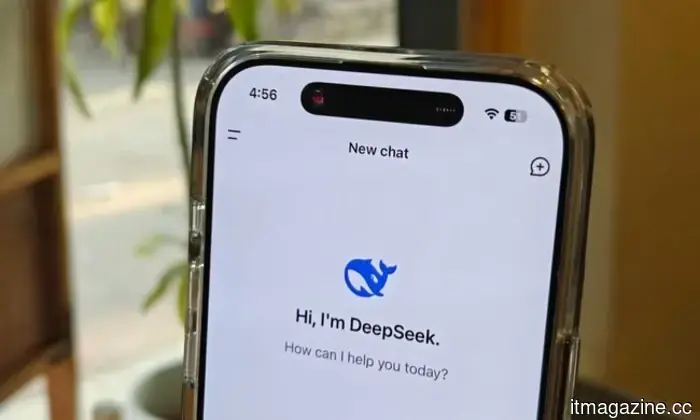
China’s DeepSeek has reduced the price of its flagship AI model by 75%, which could indicate a major shift.
Chinese AI startup DeepSeek has taken a significant step in the artificial intelligence landscape by announcing a 75% permanent price reduction for its flagship V4-Pro AI model, significantly lowering costs for developers compared to just weeks ago. AI companies worldwide are grappling with high infrastructure expenses and limited access to premium AI chips, so a drastic and enduring price cut typically signals substantial changes underway.
DeepSeek now reports that usage costs for V4-Pro range from 0.025 to 6 yuan per million tokens, based on the type of workload, a significant decrease from the earlier range of 0.1 to 24 yuan per million tokens. For developers creating AI applications, agents, and services, this reduction could lead to a considerable decrease in operating costs.


Other articles
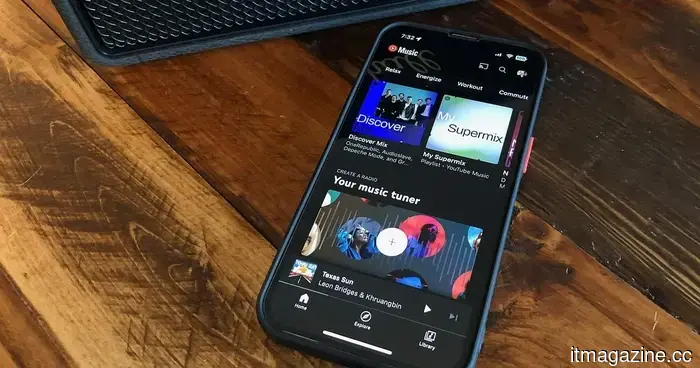 YouTube Music playlists are receiving updated sorting options, and it's long overdue.
YouTube Music is now introducing new options for sorting playlists, allowing users greater control over the organization of their libraries.
YouTube Music playlists are receiving updated sorting options, and it's long overdue.
YouTube Music is now introducing new options for sorting playlists, allowing users greater control over the organization of their libraries.
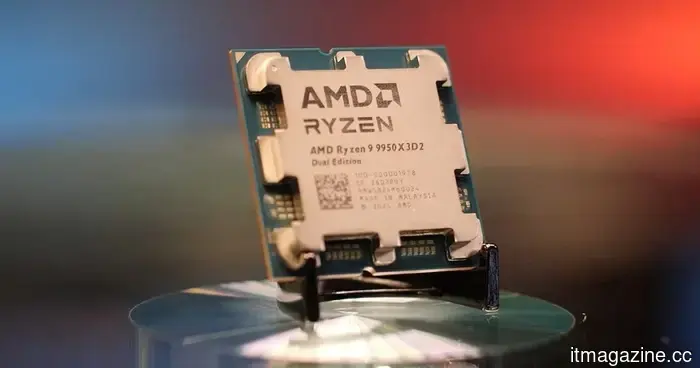 AMD is said to be preparing Zen 7 processors on the 14A node in order to compete with Intel in the market.
AMD's upcoming Zen 7 processors might utilize TSMC’s A14 node, creating a new competition with Intel’s 14A initiatives.
AMD is said to be preparing Zen 7 processors on the 14A node in order to compete with Intel in the market.
AMD's upcoming Zen 7 processors might utilize TSMC’s A14 node, creating a new competition with Intel’s 14A initiatives.
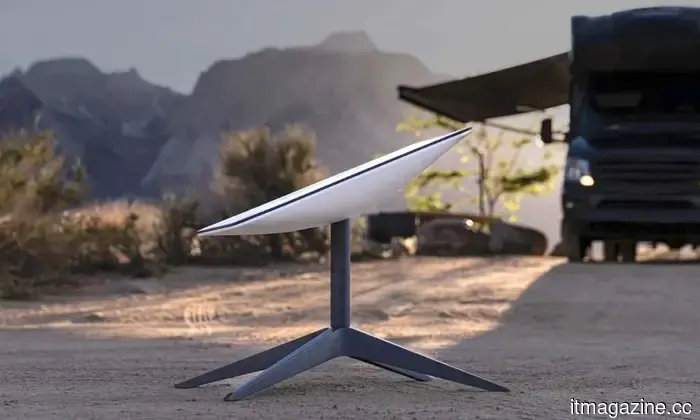
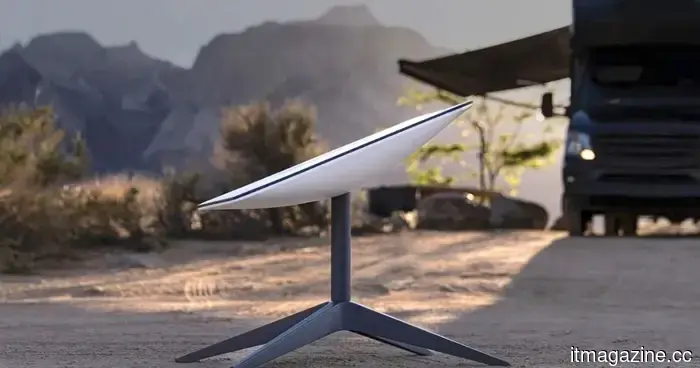 Starlink Mini might eventually disconnect from the cord with a dish that operates on batteries.
Recent references in Starlink firmware suggest the potential development of a battery-powered Starlink Mini, with code indicating battery charge statistics, charging status, as well as USB-C, battery, and combined power modes.
Starlink Mini might eventually disconnect from the cord with a dish that operates on batteries.
Recent references in Starlink firmware suggest the potential development of a battery-powered Starlink Mini, with code indicating battery charge statistics, charging status, as well as USB-C, battery, and combined power modes.
 Smart glasses have returned, and this time they’re trying to mimic regular eyewear.
Smart glasses are making a comeback with improved designs, subtler branding, and AI integrated into a more conventional appearance. While this may enhance their wearability, it does not diminish the social awkwardness of having cameras mounted on the face.
Smart glasses have returned, and this time they’re trying to mimic regular eyewear.
Smart glasses are making a comeback with improved designs, subtler branding, and AI integrated into a more conventional appearance. While this may enhance their wearability, it does not diminish the social awkwardness of having cameras mounted on the face.
 Netherlands prevents US company from acquiring DigiD cloud hosting provider.
The Netherlands has prohibited Kyndryl's acquisition of Solvinity for EUR 100 million, which is the DigiD cloud provider, due to concerns over public interest and potential issues related to the CLOUD Act, marking the first instance of a block on a US deal.
Netherlands prevents US company from acquiring DigiD cloud hosting provider.
The Netherlands has prohibited Kyndryl's acquisition of Solvinity for EUR 100 million, which is the DigiD cloud provider, due to concerns over public interest and potential issues related to the CLOUD Act, marking the first instance of a block on a US deal.
 Have you ever been curious about what vintage computers were like? This virtual museum allows you to explore hundreds of them.
The Virtual OS Museum is an extensive archive of retro computing, featuring over 1,700 installations that are ready to run. It includes a wide range of systems, from the 1948 Manchester Baby to classic Mac OS, early Windows, Unix, PalmOS, and beyond.
Have you ever been curious about what vintage computers were like? This virtual museum allows you to explore hundreds of them.
The Virtual OS Museum is an extensive archive of retro computing, featuring over 1,700 installations that are ready to run. It includes a wide range of systems, from the 1948 Manchester Baby to classic Mac OS, early Windows, Unix, PalmOS, and beyond.
Starlink Mini could potentially eliminate the need for a wired connection with its battery-operated dish.
References in the new Starlink firmware suggest the potential development of a battery-powered Starlink Mini, with code that includes details about battery charge statistics, charging status, and modes for USB-C, battery, and combined power.