
Tesla’s rollout of FSD in Europe faces skepticism from regulators, a sentiment that Musk has been conveying.
TL;DR: Reuters has revealed internal communications from EU regulators that show ongoing skepticism regarding the safety claims and rollout strategy of Tesla's Full Self-Driving (FSD). The timeline for Tesla’s EU approval between Q2-Q3 2026 now appears overly ambitious.
Elon Musk's optimism about Tesla's Full Self-Driving rollout in Europe is not mirrored by the European regulators responsible for approval, according to recent evidence. On Tuesday, Reuters published an exclusive analysis of emails and records from regulators indicating that several EU national authorities have expressed ongoing doubts about FSD's asserted safety benefits and Tesla's overall rollout plan.
The documents summarized by Reuters through Investing.com include direct communications, such as remarks from a Swedish Transport Agency investigator in mid-April who expressed surprise at FSD's ability to exceed posted speed limits, stating that such behavior should not be permitted under European traffic laws. Other regulators voiced their frustration with Tesla's approach of encouraging vehicle owners to pressure their governments for expedited FSD approval.
On April 10, 2026, the Netherlands’ RDW became the first EU national authority to grant official type approval for Tesla’s “FSD (Supervised)” driver-assistance system, which Tesla positions as the beginning of a broader rollout across the EU. The system is currently seeking broader approval through the relevant technical committee, with significant meetings planned for the rest of 2026. To meet the EU-wide approval threshold, approval must be secured from representatives of at least 55 percent of member states and 65 percent of the EU population.
According to InsideEVs’ analysis of this regulatory dynamic, Tesla informed regulators in a confidential presentation that it anticipated EU-wide approval in the second or third quarter of this year. However, the records from Reuters suggest this timeline may be overly optimistic.
In addition to concerns about speed limits, regulators have pointed out specific technical issues. In April, RideApart reported that Tesla’s FSD-Supervised system, even at the Dutch type-approval level, struggled to reliably detect motorcyclists during independent testing, raising significant safety concerns in markets where motorcycles represent a larger portion of the vehicle population than in the U.S.
Regulators from Sweden, Germany, and France have all raised related concerns in internal discussions, noting that Tesla’s safety assertions for FSD are largely based on U.S. driving conditions, while European traffic environments differ in ways that the system has not adequately addressed. Instead of reassuring authorities, Tesla's lobbying approach has reportedly intensified skepticism.
Implications for the rollout include the technical committee process, which favors coalition-building among larger member states. FSD Tracker’s ongoing record of national approvals shows that Germany, France, Italy, Spain, and Poland have not adopted the Dutch-style type approval yet. The records from Reuters indicate that the skepticism from major states primarily relates to the technical evidence provided by the system, rather than Tesla's lobbying efforts.
There's a broader European context to consider. The EU has been increasingly focused on achieving digital sovereignty and technical autonomy, with the FSD approval issue fitting into this agenda. The Commission has shown a growing willingness to establish its own technical standards rather than conforming to the narratives from Silicon Valley, making regulators more cautious about U.S.-based automakers presenting confident timelines in 2026.
This does not imply that FSD will ultimately be denied EU approval. The Dutch type approval is legitimate, the technical committee's process is underway, and Tesla has demonstrated its capacity to adapt its software to meet specific market demands in past regulatory disputes. Nonetheless, the disconnection highlighted by Reuters could transform a six-month rollout estimate into a timeline of 12 to 18 months. Based on the available data, Musk's optimistic assertions have outpaced the actual regulatory landscape. The upcoming committee meetings in July and October will reveal whether the situation improves or worsens.
Other articles
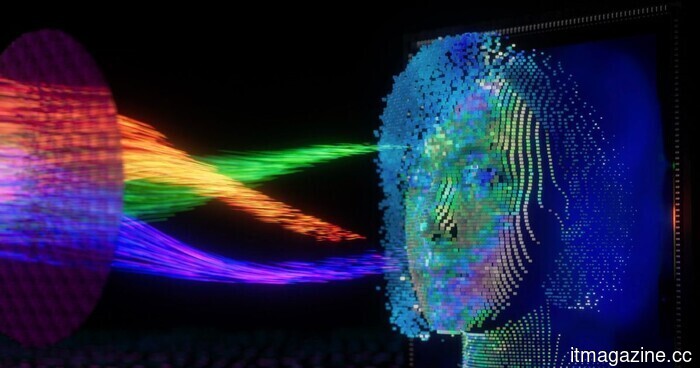 Metalenz's innovative face scanning technology is embedded beneath the phone's display, eliminating the need for unsightly cutouts.
Metalenz has demonstrated that payment-grade facial authentication can function with a fully powered-on display, a feat that Apple has attempted to achieve for years without success.
Metalenz's innovative face scanning technology is embedded beneath the phone's display, eliminating the need for unsightly cutouts.
Metalenz has demonstrated that payment-grade facial authentication can function with a fully powered-on display, a feat that Apple has attempted to achieve for years without success.
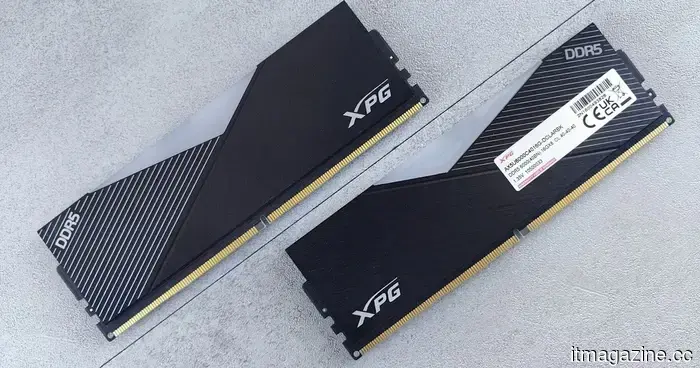 Next-generation DDR6 memory, boasting incredible speeds, is currently in development, but it will be a considerable wait.
Samsung, SK Hynix, and Micron have initiated early development of DDR6 in collaboration with substrate manufacturers, aiming for speeds that surpass DDR5 by more than two times, although mass production remains years in the future.
Next-generation DDR6 memory, boasting incredible speeds, is currently in development, but it will be a considerable wait.
Samsung, SK Hynix, and Micron have initiated early development of DDR6 in collaboration with substrate manufacturers, aiming for speeds that surpass DDR5 by more than two times, although mass production remains years in the future.
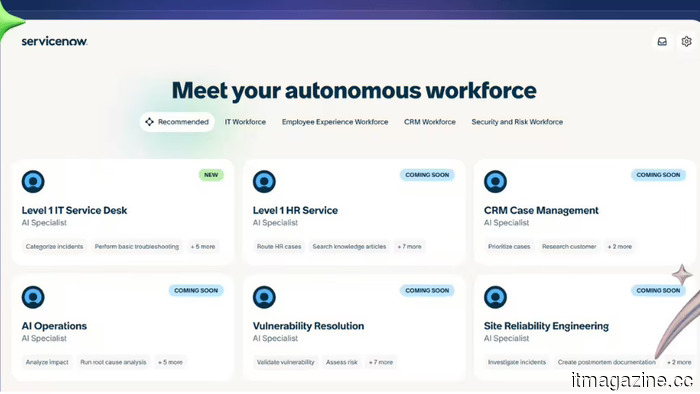 ServiceNow anticipates reaching $30 billion by 2030, with one-third of its annual contract value coming from AI.
ServiceNow anticipates achieving $30 billion in subscription revenue by 2030, with 30% of that annual contract value coming from Now Assist, its primary AI product. The presentation during investor day serves as a structural response to worries regarding AI-SaaS displacement.
ServiceNow anticipates reaching $30 billion by 2030, with one-third of its annual contract value coming from AI.
ServiceNow anticipates achieving $30 billion in subscription revenue by 2030, with 30% of that annual contract value coming from Now Assist, its primary AI product. The presentation during investor day serves as a structural response to worries regarding AI-SaaS displacement.
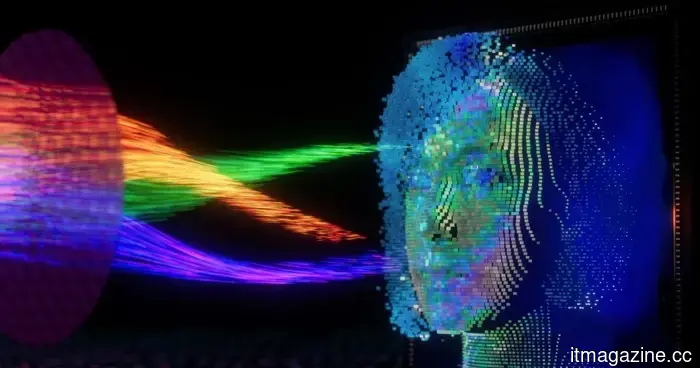 Metalenz's latest face scan technology is integrated beneath the phone display, eliminating the need for unsightly cutouts.
Metalenz has just demonstrated that payment-grade facial recognition can function with a fully lit display, a feat that Apple has been attempting to achieve for years without success.
Metalenz's latest face scan technology is integrated beneath the phone display, eliminating the need for unsightly cutouts.
Metalenz has just demonstrated that payment-grade facial recognition can function with a fully lit display, a feat that Apple has been attempting to achieve for years without success.
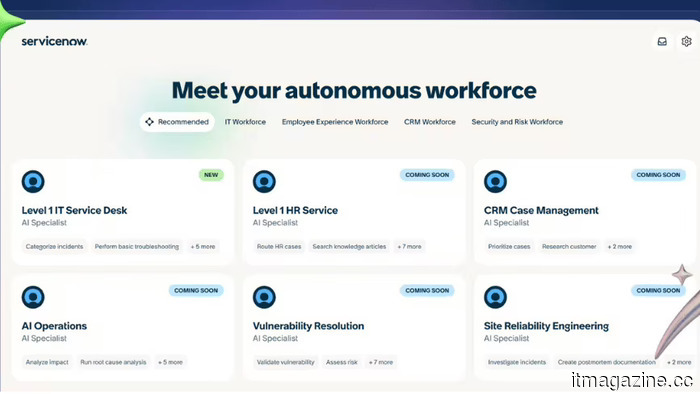 ServiceNow anticipates reaching $30 billion by 2030, with one-third of annual contract value (ACV) coming from AI.
ServiceNow forecasts $30 billion in subscription revenue for 2030, with 30% of that annual contract value coming from Now Assist, the company’s premier AI product. The presentation for investors addresses concerns about the potential displacement of AI in the SaaS sector.
ServiceNow anticipates reaching $30 billion by 2030, with one-third of annual contract value (ACV) coming from AI.
ServiceNow forecasts $30 billion in subscription revenue for 2030, with 30% of that annual contract value coming from Now Assist, the company’s premier AI product. The presentation for investors addresses concerns about the potential displacement of AI in the SaaS sector.
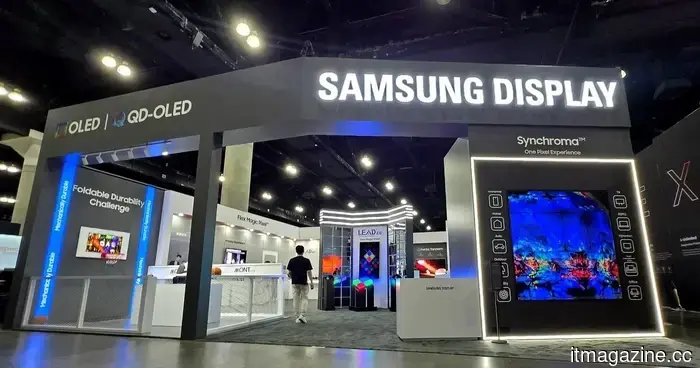 Samsung's upcoming display technology has the capability to monitor heart rate and blood pressure using your fingertip.
Samsung's latest Sensor OLED Display incorporates health sensors directly within the panel, allowing it to measure heart rate and blood pressure using just your fingertip, without the need for any wearables.
Samsung's upcoming display technology has the capability to monitor heart rate and blood pressure using your fingertip.
Samsung's latest Sensor OLED Display incorporates health sensors directly within the panel, allowing it to measure heart rate and blood pressure using just your fingertip, without the need for any wearables.
Tesla’s rollout of FSD in Europe faces skepticism from regulators, a sentiment that Musk has been conveying.
Reuters has released internal communications from EU regulators demonstrating ongoing doubt regarding Tesla's assertions about the safety of its FSD and its rollout approach, even after receiving Dutch type approval in April.