
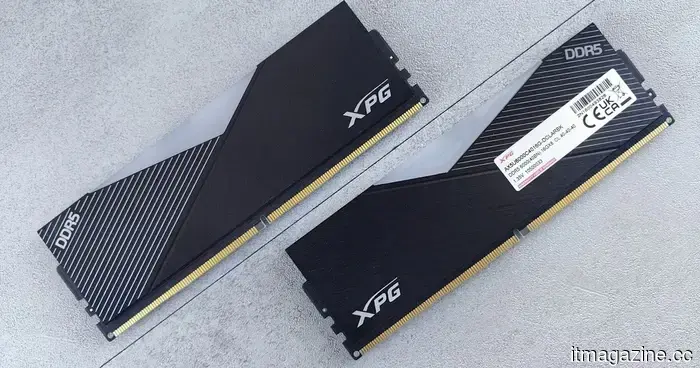
Next-generation DDR6 memory, boasting incredible speeds, is currently in development, but it will be a considerable wait.
Samsung, SK Hynix, and Micron are already preparing the next memory upgrade for your PC.
The commercial rollout of DDR5 began in 2021, establishing it as the new standard, and now the industry is already advancing towards the next iteration. As reported by TheElec, Samsung Electronics, SK Hynix, and Micron have discreetly initiated early development of DDR6, the forthcoming generation of memory technology.
These companies have shared their designs with substrate manufacturers, who are now creating initial prototypes and conducting verification tests.
“Memory companies and substrate manufacturers usually engage in joint development over two years prior to launching a product,” an industry official stated to TheElec. “The initial development of DDR6 has recently commenced.” While it is still very early in the process, the development has begun.
Why is DDR6 important?
DDR6 is anticipated to more than double the data transfer rates of DDR5, which currently peaks at 8.4Gbps. This substantial increase will significantly enhance performance.
However, there are challenges to consider. At higher speeds, ensuring signal integrity and power efficiency becomes increasingly difficult, which is why substrate manufacturers are involved at the outset rather than later in the process.
When can we expect it?
Not in the near future. The JEDEC standards organization has yet to finalize the DDR6 specifications. A draft was published in late 2024, but essential details such as thickness, I/O port count, and signal standards are still being finalized. Mass production is not anticipated until 2028 or 2029, and only once the demand from end customers becomes clearer.
The drive to develop DDR6 is partly fueled by the AI boom. AI servers require faster memory and greater bandwidth, and DDR4, which has been around since 2014, is nearing obsolescence. Currently, DDR5 accounts for over 80% of server DRAM shipments, while DDR4 has fallen below 20% and may soon be phased out.
While news of DDR6 development is promising for the industry, its adoption will depend on pricing. The surge in AI has already caused RAM prices to rise sharply, and DDR6 is expected to command a premium price.
Research indicates that RAM and storage prices should start to decrease by 2027, providing hope that prices will stabilize before DDR6 hits the market.
Rachit is an experienced tech journalist with more than seven years of experience covering consumer technology trends.
ChatGPT’s new default model is now less likely to mislead you on medical and financial inquiries.
GPT-5.5 Instant has replaced GPT-5.3 Instant as the default model in ChatGPT, offering significantly fewer inaccuracies in the areas of medicine, law, and finance, along with shorter responses and improved personalization.
OpenAI has begun rolling out this update to all users today, focusing on enhancing three main areas: accuracy, brevity, and customization.
Less misinformation, less fluff.
Apple's iOS 27 may allow users to choose their preferred AI model for text and image tasks.
Apple is not just focused on creating the most advanced AI; it aims to provide an optimal environment for other AIs to excel, and iOS 27 might mark the beginning of this shift.
A notable change in how AI operates across Apple devices is on the horizon, with users positioned at the center of it. According to Bloomberg’s Mark Gurman, iOS 27, along with its major updates (iPadOS 27 and macOS 27), will enable users to select from various third-party AI models for tasks within core Apple Intelligence functionalities.
Think of it like using a remote control to select a preferred channel, except the remote is iOS 27 and the channels are some of the most recognizable AI models you've previously used.
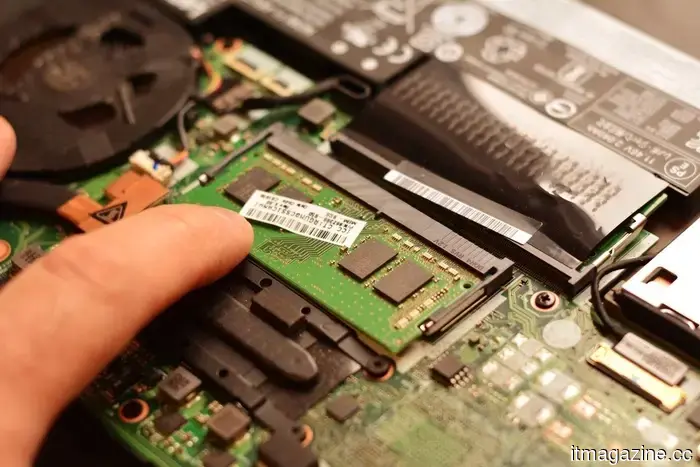
If your operating system requires more memory, it might be worth questioning whether the issue lies with the user’s PC.
There was a time when choosing a PC was straightforward. 8GB of RAM sufficed, 16GB felt like a high-end choice, and anything beyond that was reserved for intensive tasks. This equilibrium existed because software adhered to hardware limits. However, that balance has quietly unraveled, and Microsoft appears to be unfazed by it.
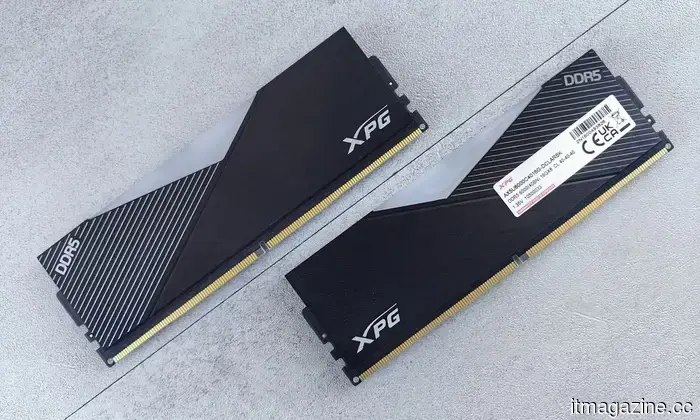
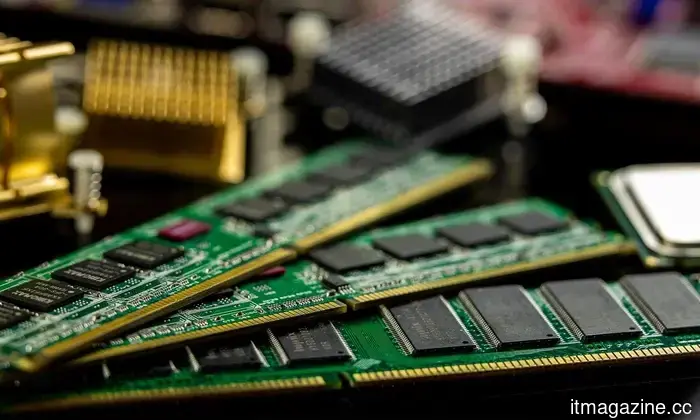
The company's earlier guidance, which casually suggested 16GB as the minimum and 32GB as the comfort level, represented more than a mere recommendation. It signifies a shift of responsibility. There is no inherent reason modern hardware should suddenly require double the memory for the same everyday operations. DDR5 memory is faster, more efficient, and more capable than anything previously available. In theory, systems should operate smoother, be more responsive, and be more effective. Instead, users are nudged toward upgrades merely to maintain the same comfort they had in the past.




Other articles
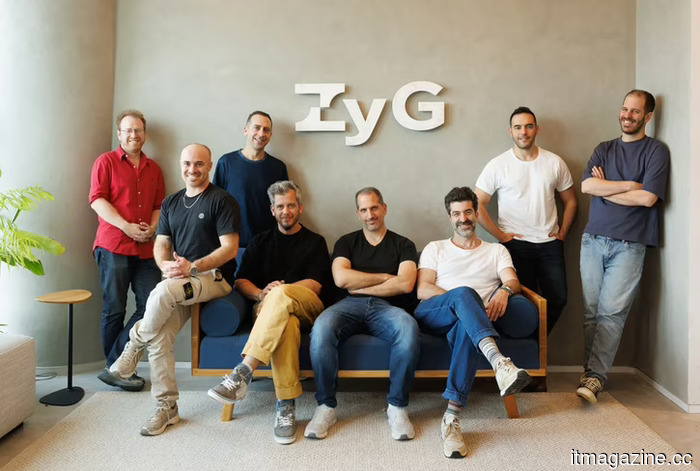 The founders of IronSource have secured $60 million at a $500 million valuation for Zyg, an AI platform designed to automate advertising in e-commerce.
Zyg secured $60 million in funding, with Accel leading the investment, at a valuation of $500 million just two months after emerging from stealth mode. The IronSource team is developing AI agents to take over the roles of human ad buyers for direct-to-consumer (DTC) brands.
The founders of IronSource have secured $60 million at a $500 million valuation for Zyg, an AI platform designed to automate advertising in e-commerce.
Zyg secured $60 million in funding, with Accel leading the investment, at a valuation of $500 million just two months after emerging from stealth mode. The IronSource team is developing AI agents to take over the roles of human ad buyers for direct-to-consumer (DTC) brands.
 Employees at Google DeepMind have decided to unionize following a Pentagon AI agreement that contradicts eight years of ethical commitments.
Staff at DeepMind UK voted 98% in favor of joining the CWU and Unite following Google's signing of a classified Pentagon agreement for "any lawful purpose." They are advocating for the cessation of military AI applications and the reinstatement of ethical standards.
Employees at Google DeepMind have decided to unionize following a Pentagon AI agreement that contradicts eight years of ethical commitments.
Staff at DeepMind UK voted 98% in favor of joining the CWU and Unite following Google's signing of a classified Pentagon agreement for "any lawful purpose." They are advocating for the cessation of military AI applications and the reinstatement of ethical standards.
 Tesla’s rollout of FSD in Europe faces skepticism from regulators, a sentiment that Musk has been conveying.
Reuters has released internal communications from EU regulators demonstrating ongoing doubt regarding Tesla's assertions about the safety of its FSD and its rollout approach, even after receiving Dutch type approval in April.
Tesla’s rollout of FSD in Europe faces skepticism from regulators, a sentiment that Musk has been conveying.
Reuters has released internal communications from EU regulators demonstrating ongoing doubt regarding Tesla's assertions about the safety of its FSD and its rollout approach, even after receiving Dutch type approval in April.
 Coinbase reduces its workforce by 14% and restructures to focus on AI-driven pods as cryptocurrency revenue falls 26% and trading volumes reach an 18-month low.
Coinbase is reducing its workforce by 660 employees and reorganizing into AI-focused pods with a limitation of five management layers. Revenue for Q1 is projected to decline by 26% as cryptocurrency trading volumes decrease by 48%.
Coinbase reduces its workforce by 14% and restructures to focus on AI-driven pods as cryptocurrency revenue falls 26% and trading volumes reach an 18-month low.
Coinbase is reducing its workforce by 660 employees and reorganizing into AI-focused pods with a limitation of five management layers. Revenue for Q1 is projected to decline by 26% as cryptocurrency trading volumes decrease by 48%.
 Metalenz's latest face scan technology is integrated beneath the phone display, eliminating the need for unsightly cutouts.
Metalenz has just demonstrated that payment-grade facial recognition can function with a fully lit display, a feat that Apple has been attempting to achieve for years without success.
Metalenz's latest face scan technology is integrated beneath the phone display, eliminating the need for unsightly cutouts.
Metalenz has just demonstrated that payment-grade facial recognition can function with a fully lit display, a feat that Apple has been attempting to achieve for years without success.
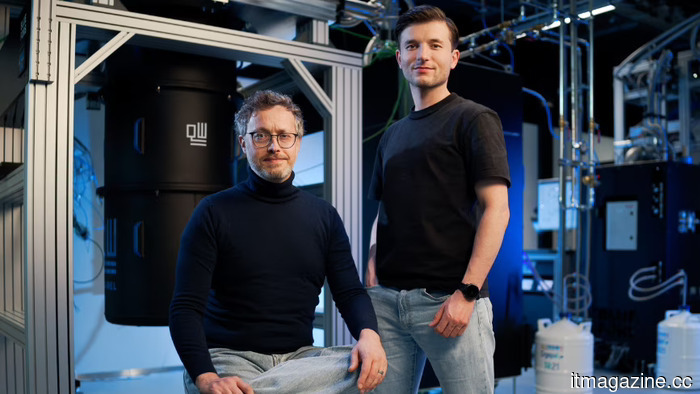 Inside QuantWare's €152 million funding round to develop KiloFab.
QuantWare has secured a €152 million Series B funding round, led by Intel Capital, In-Q-Tel, and ETF Partners, marking the largest deeptech funding round in Dutch history.
Inside QuantWare's €152 million funding round to develop KiloFab.
QuantWare has secured a €152 million Series B funding round, led by Intel Capital, In-Q-Tel, and ETF Partners, marking the largest deeptech funding round in Dutch history.
Next-generation DDR6 memory, boasting incredible speeds, is currently in development, but it will be a considerable wait.
Samsung, SK Hynix, and Micron have initiated early development of DDR6 in collaboration with substrate manufacturers, aiming for speeds that surpass DDR5 by more than two times, although mass production remains years in the future.