
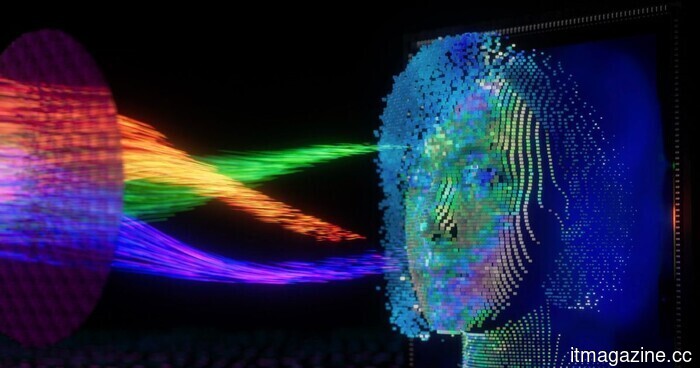
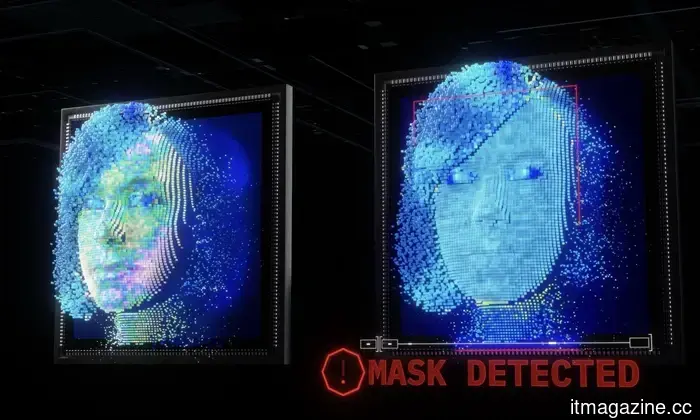
Metalenz's innovative face scanning technology is embedded beneath the phone's display, eliminating the need for unsightly cutouts.
Face ID beneath the display is now a reality, and it isn’t from Apple.
Metalenz has created the technology that enables facial recognition functionality from beneath the display.
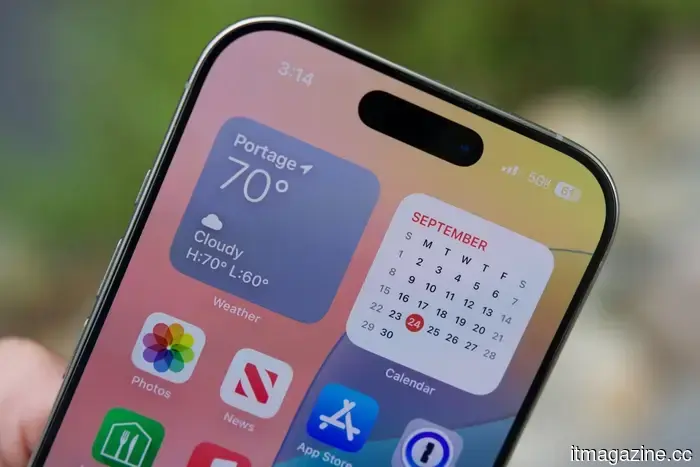
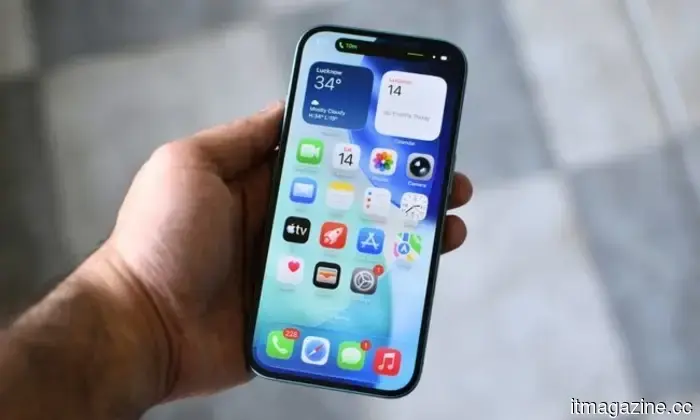
The notch. The punch-hole cutout. The Dynamic Island. Different manufacturers use various terms, but they all face the same issue. There’s a significant portion removed from the display for facial recognition to work, and Metalenz may have addressed this problem.
At Display Week in Los Angeles, the company showcased Polar ID functioning under a fully activated OLED display. There’s no cutout needed, and the system is completely secure.
Why is this important?
Facial authentication is not merely a photographic gimmick. To prevent spoofing—where someone uses a photo or mask to deceive your device—the system must capture depth and detail that a regular camera struggles to achieve through a display.
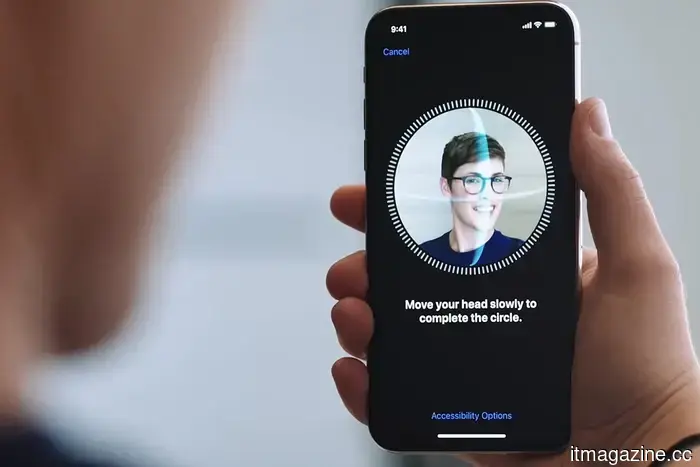
This is why Apple’s Face ID technology outshines many Android devices, which rely on a basic camera for unlocking the device. However, these methods lack security, making them unsuitable for biometric authentication or sensitive actions like payment processing.
For Face ID to function, the sensors require a noticeable cutout, as they cannot conduct verification through the display. Reports have indicated that Apple is aware of this issue but has not yet identified a solution.
Metalenz has approached this differently. Its Polar ID technology utilizes something called metasurface optics to capture polarized light. The innovative aspect is that this polarization signal can pass through the OLED display without losing quality, addressing the very challenge that has hindered others.
The company claims a 0% acceptance rate for spoofing, placing it on par with Apple’s Face ID in terms of security.
What does this mean for your next smartphone?
For Android users, this could be significant news. Currently, Android manufacturers offer face unlock primarily as a convenience feature rather than as a robust security measure, largely because implementing an effective system beneath the display was too challenging. Polar ID could change that dynamic.
If manufacturers adopt this technology, the notch and cutout may become obsolete, allowing for the truly all-screen phone that the industry has promised for years.
Rachit is an experienced tech journalist with over seven years in the consumer technology sector.
You can now regain some privacy with approximate location sharing in Chrome
A long-awaited feature returns, albeit with some limitations.
Google is finally providing Chrome users something that has been curiously absent for years: a middle option between “share everything” and “share nothing.” And frankly, it was overdue.
What is approximate location sharing in Chrome?
Apple's iOS 27 may allow users to choose an AI model for text and image tasks
Apple isn’t rushing to develop the most advanced AI; instead, it aims to create the best platform for others to excel, and iOS 27 could be the beginning of that endeavor.
There will be a considerable transformation in how AI operates across Apple’s devices, placing you at the forefront. According to Bloomberg’s Mark Gurman, iOS 27 alongside its major counterparts (iPadOS 27 and macOS 27) will enable users to select from various third-party AI models for tasks within core Apple Intelligent features.
Think of it as using your TV remote to select a channel and watch it, except the remote is iOS 27 and the channels are some of the most popular AI models you’ve been using elsewhere.
Samsung's upcoming foldables may have leaked through its own software
Samsung's software suggests a larger foldable is on the horizon.
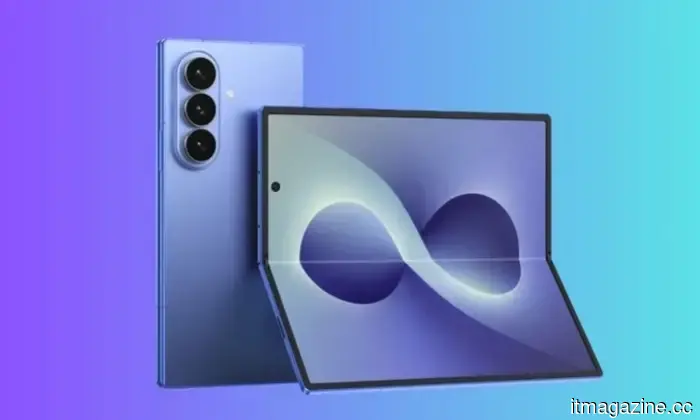
Samsung’s Galaxy phones seldom remain under wraps until their launch. Leaks typically reveal renders, specifications, and software hints months prior to Unpacked events. This seems to be true again with the Galaxy Z Fold 8 and the rumored Z Fold 8 Wide, which have reportedly been discovered within a One UI 9 build.
According to Android Authority, images of two unannounced Samsung foldables were found in a One UI 9 development build. One is believed to be the Galaxy Z Fold 8, under the codename Q8, while the other is the Z Fold 8 Wide, referred to as H8. Samsung has yet to officially announce either device, so this information should be considered speculative rather than confirmed.


Other articles
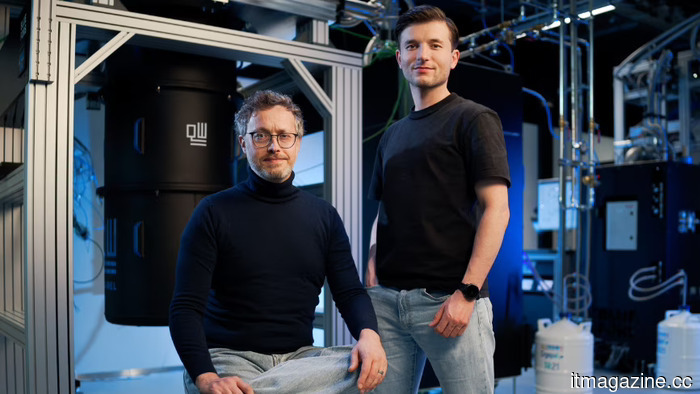 Inside QuantWare's €152 million funding round to develop KiloFab.
QuantWare has secured a €152 million Series B funding round, led by Intel Capital, In-Q-Tel, and ETF Partners, marking the largest deeptech funding round in Dutch history.
Inside QuantWare's €152 million funding round to develop KiloFab.
QuantWare has secured a €152 million Series B funding round, led by Intel Capital, In-Q-Tel, and ETF Partners, marking the largest deeptech funding round in Dutch history.
 Coinbase reduces its workforce by 14% and reorganizes around AI-focused pods as cryptocurrency revenue declines by 26% and trading volumes reach an 18-month low.
Coinbase is reducing its workforce by 660 employees and reorganizing into AI-focused teams with a maximum of five layers of management. Revenue for Q1 is projected to decline by 26% due to a 48% decrease in cryptocurrency trading volumes.
Coinbase reduces its workforce by 14% and reorganizes around AI-focused pods as cryptocurrency revenue declines by 26% and trading volumes reach an 18-month low.
Coinbase is reducing its workforce by 660 employees and reorganizing into AI-focused teams with a maximum of five layers of management. Revenue for Q1 is projected to decline by 26% due to a 48% decrease in cryptocurrency trading volumes.
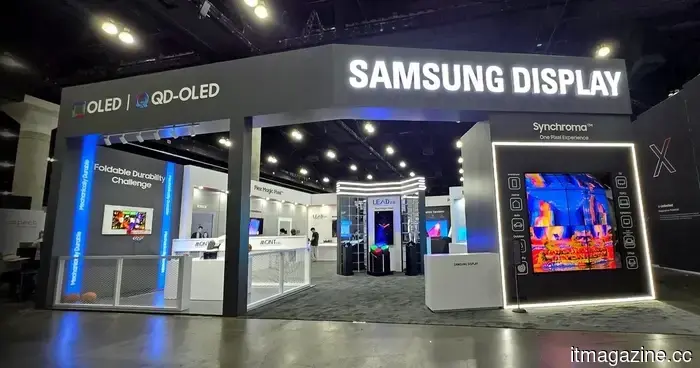 Samsung unveils a sleek, flexible display designed for your car's dashboard.
Samsung Display's enhanced Stretchable Display 2.0 achieves a resolution of 200 PPI and adapts dashboard visuals based on driving conditions, providing a clearer glimpse into how future vehicle instrument clusters might become more responsive.
Samsung unveils a sleek, flexible display designed for your car's dashboard.
Samsung Display's enhanced Stretchable Display 2.0 achieves a resolution of 200 PPI and adapts dashboard visuals based on driving conditions, providing a clearer glimpse into how future vehicle instrument clusters might become more responsive.
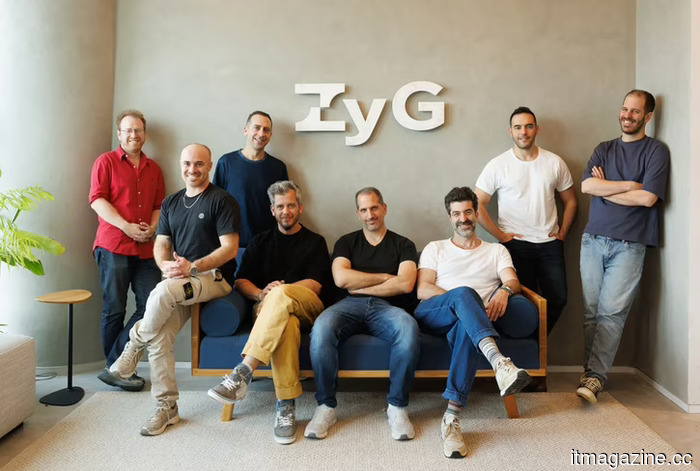 The founders of IronSource have secured $60 million at a $500 million valuation for Zyg, an AI platform designed to automate advertising in e-commerce.
Zyg secured $60 million in funding, with Accel leading the investment, at a valuation of $500 million just two months after emerging from stealth mode. The IronSource team is developing AI agents to take over the roles of human ad buyers for direct-to-consumer (DTC) brands.
The founders of IronSource have secured $60 million at a $500 million valuation for Zyg, an AI platform designed to automate advertising in e-commerce.
Zyg secured $60 million in funding, with Accel leading the investment, at a valuation of $500 million just two months after emerging from stealth mode. The IronSource team is developing AI agents to take over the roles of human ad buyers for direct-to-consumer (DTC) brands.
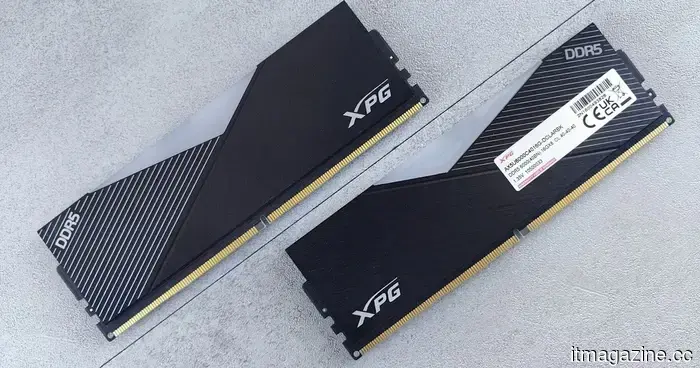 Next-generation DDR6 memory, boasting incredible speeds, is currently in development, but it will be a considerable wait.
Samsung, SK Hynix, and Micron have initiated early development of DDR6 in collaboration with substrate manufacturers, aiming for speeds that surpass DDR5 by more than two times, although mass production remains years in the future.
Next-generation DDR6 memory, boasting incredible speeds, is currently in development, but it will be a considerable wait.
Samsung, SK Hynix, and Micron have initiated early development of DDR6 in collaboration with substrate manufacturers, aiming for speeds that surpass DDR5 by more than two times, although mass production remains years in the future.
 Tesla's FSD rollout in Europe faces skepticism from regulators, as Musk has been indicating.
Reuters has revealed internal communications from EU regulators that express ongoing doubts regarding Tesla's assertions about the safety of its FSD and its rollout plan, even after receiving type approval in the Netherlands in April.
Tesla's FSD rollout in Europe faces skepticism from regulators, as Musk has been indicating.
Reuters has revealed internal communications from EU regulators that express ongoing doubts regarding Tesla's assertions about the safety of its FSD and its rollout plan, even after receiving type approval in the Netherlands in April.
Metalenz's innovative face scanning technology is embedded beneath the phone's display, eliminating the need for unsightly cutouts.
Metalenz has demonstrated that payment-grade facial authentication can function with a fully powered-on display, a feat that Apple has attempted to achieve for years without success.