
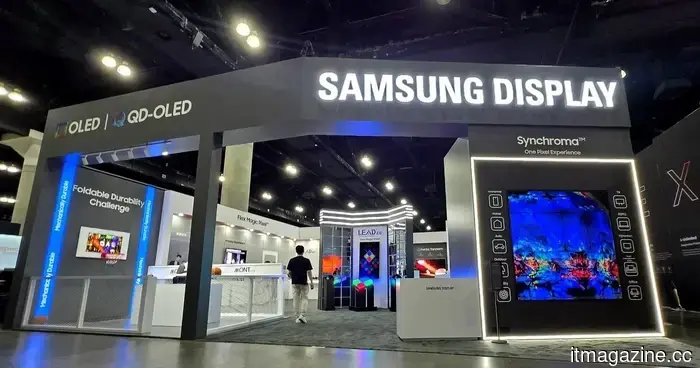
Samsung's upcoming display technology has the capability to monitor heart rate and blood pressure using your fingertip.
Forget the smartwatch; your phone's screen may soon monitor your health.
Samsung is continually redefining the potential of display technology. Earlier this year, the company launched its flagship Galaxy S26 Ultra, featuring a Privacy Display that deactivates wide-angle pixels to prevent prying eyes from viewing your screen.
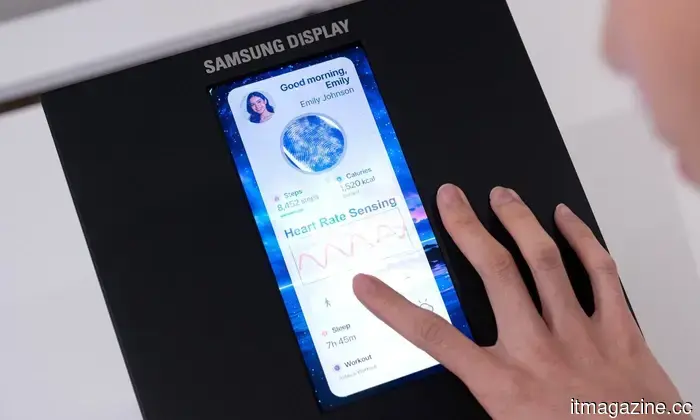
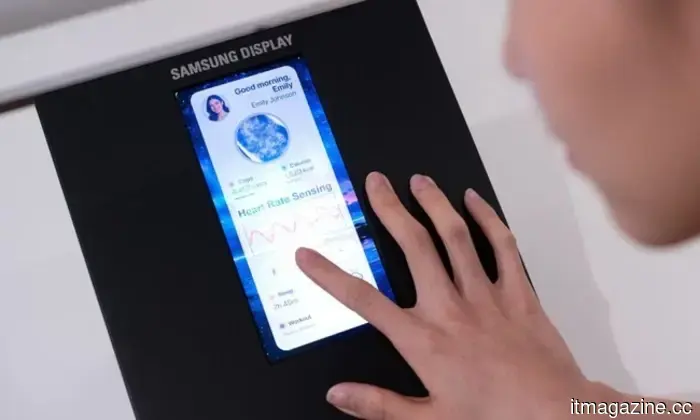
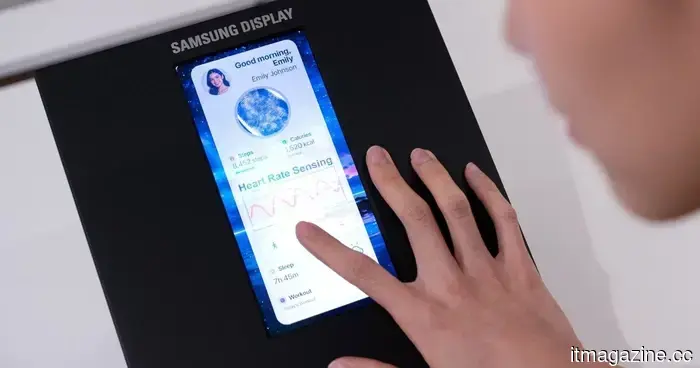
Now, at Display Week 2026 in Los Angeles, Samsung has revealed an innovative display technology that could transform your next smartphone into an unexpectedly advanced health monitoring device. The new Sensor OLED Display is a 6.8-inch panel that incorporates health sensors directly within the screen.
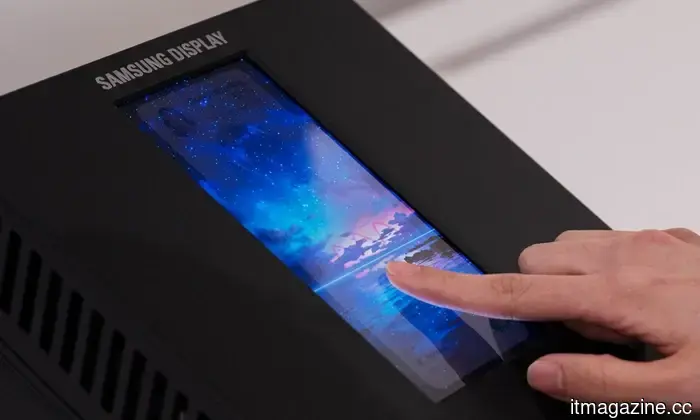
This display can assess biometric metrics such as heart rate and blood pressure by observing blood flow using light emitted from the screen. Simply place your finger on the display, and it will handle the measurements.
How does it function?
The panel merges standard OLED pixels with Organic Photodiodes, all within a single layer. The photodiodes capture the light reflecting from your finger to determine your vital signs. This approach is akin to how various smartwatches and smart rings utilize light to measure blood pressure.
Achieving high-resolution performance is challenging because both the sensor and display pixels are contained in the same layer, yet Samsung has successfully achieved 500 PPI, marking a 33% improvement over what was demonstrated at last year's Display Week.
This resolution matches that of premium smartphones available today and could be a significant breakthrough for those who prefer traditional watches while still wanting health tracking features.
What else is new?
The display also incorporates Samsung’s new Flex Magic Pixel privacy technology. In contrast to typical privacy screens that completely black out when viewed at an angle, Flex Magic Pixel specifically conceals sensitive health data while keeping the rest of the display visible.
The existing Privacy Display already has a feature to hide only sensitive notifications or specific sections of the display. It remains to be seen what additional capabilities this new technology may enable.
There is no confirmed schedule for when this will appear in consumer devices, but considering its advanced resolution and features, it seems closer to reality than one might expect.
---
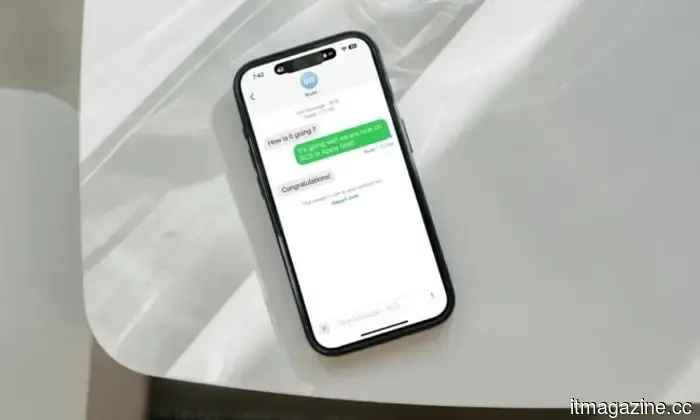
Apple is introducing encrypted RCS messages in iOS 26.5 for improved privacy between iPhone and Android users.
Encrypted RCS is being added to messages shared between iPhone and Android users with the upcoming iOS 26.5, providing a long-awaited boost in privacy for cross-platform chats. The support can be found in the iOS 26.5 release candidate for developers and public testers, where Apple refers to it as a beta. This is important because access will depend on supported mobile carriers and a gradual rollout, meaning that simply installing the update won't ensure that every cross-platform chat is automatically protected.
Metalenz has developed a new technology that enables facial recognition from beneath the phone’s display, eliminating the need for unsightly cutouts.
Face ID under the screen is now a reality, thanks to Metalenz. The company has created technology that allows facial recognition to function from under the display. The notch, punch-hole cutout, and Dynamic Island—various terms used by phone manufacturers—all share a common issue: a significant portion of the display is removed for facial recognition to work. Metalenz may have found a solution to this problem.
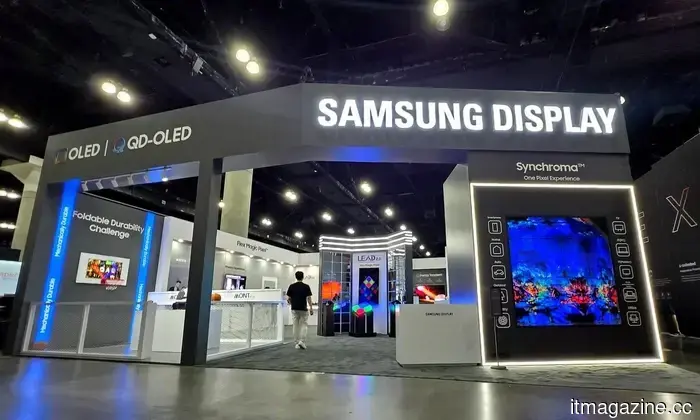
Samsung Display has showcased its latest innovations in smartphone displays at Display Week 2026, focusing on enhancing brightness, color accuracy, and overall efficiency. These advancements aim to address real-world challenges, particularly visibility in bright outdoor conditions and the need for more accurate color reproduction for modern content.


Other articles
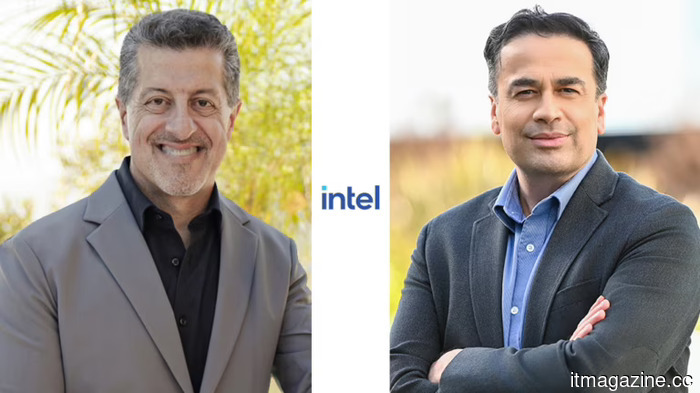 Intel has appointed Qualcomm veteran Alex Katouzian to head a new Client Computing and Physical AI division.
Intel has brought on Alex Katouzian, a veteran of Qualcomm with 25 years of experience, to head a newly merged Client Computing and Physical AI division. This marks the second high-level hire from Qualcomm during CEO Lip-Bu Tan's leadership.
Intel has appointed Qualcomm veteran Alex Katouzian to head a new Client Computing and Physical AI division.
Intel has brought on Alex Katouzian, a veteran of Qualcomm with 25 years of experience, to head a newly merged Client Computing and Physical AI division. This marks the second high-level hire from Qualcomm during CEO Lip-Bu Tan's leadership.
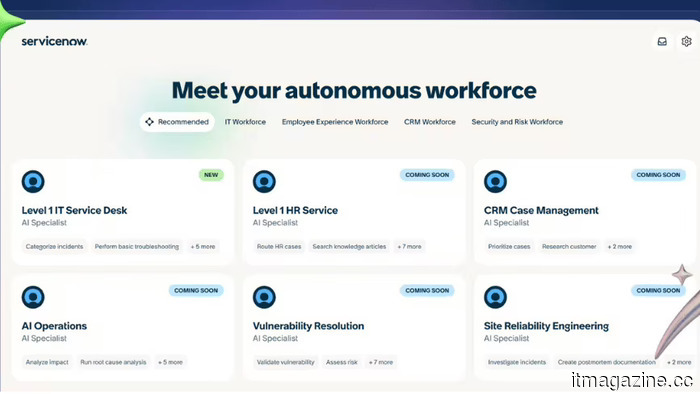 ServiceNow anticipates reaching $30 billion by 2030, with one-third of annual contract value (ACV) coming from AI.
ServiceNow forecasts $30 billion in subscription revenue for 2030, with 30% of that annual contract value coming from Now Assist, the company’s premier AI product. The presentation for investors addresses concerns about the potential displacement of AI in the SaaS sector.
ServiceNow anticipates reaching $30 billion by 2030, with one-third of annual contract value (ACV) coming from AI.
ServiceNow forecasts $30 billion in subscription revenue for 2030, with 30% of that annual contract value coming from Now Assist, the company’s premier AI product. The presentation for investors addresses concerns about the potential displacement of AI in the SaaS sector.
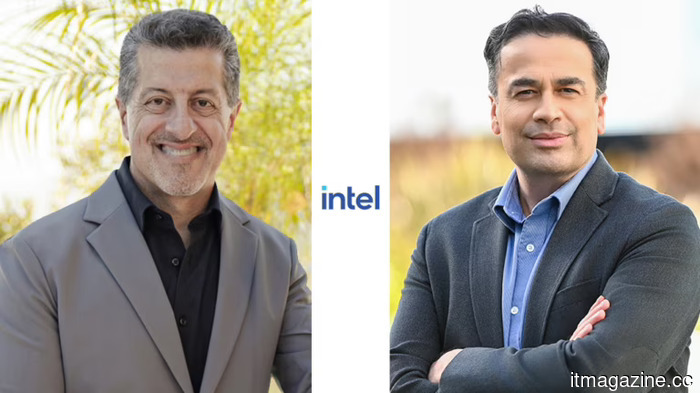 Intel has recruited Qualcomm veteran Alex Katouzian to head a newly formed group focused on Client Computing and Physical AI.
Intel has brought on Alex Katouzian, who spent 25 years at Qualcomm, to head a newly formed group that combines Client Computing and Physical AI. This marks the second senior recruitment from Qualcomm during CEO Lip-Bu Tan's time in office.
Intel has recruited Qualcomm veteran Alex Katouzian to head a newly formed group focused on Client Computing and Physical AI.
Intel has brought on Alex Katouzian, who spent 25 years at Qualcomm, to head a newly formed group that combines Client Computing and Physical AI. This marks the second senior recruitment from Qualcomm during CEO Lip-Bu Tan's time in office.
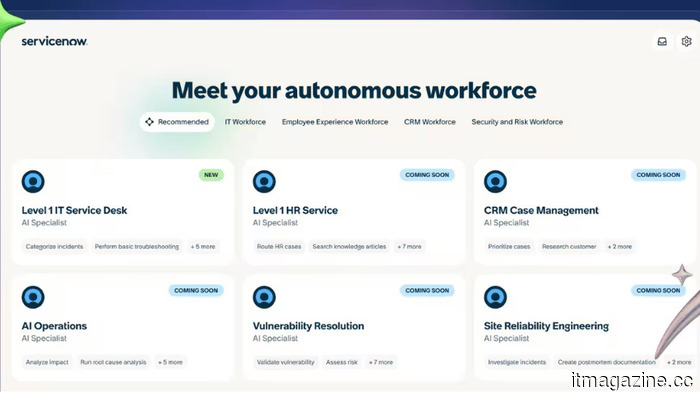 ServiceNow estimates that by 2030, it will reach $30 billion, with one-third of its annual contract value coming from AI.
ServiceNow anticipates $30 billion in subscription revenue by 2030, with 30% of that annual contract value (ACV) coming from Now Assist, the company's premier AI product. The presentation during the investor day addresses concerns regarding potential displacement by AI-SaaS.
ServiceNow estimates that by 2030, it will reach $30 billion, with one-third of its annual contract value coming from AI.
ServiceNow anticipates $30 billion in subscription revenue by 2030, with 30% of that annual contract value (ACV) coming from Now Assist, the company's premier AI product. The presentation during the investor day addresses concerns regarding potential displacement by AI-SaaS.
 Tesla's FSD rollout in Europe faces skepticism from regulators, as Musk has been indicating.
Reuters has revealed internal communications from EU regulators that express ongoing doubts regarding Tesla's assertions about the safety of its FSD and its rollout plan, even after receiving type approval in the Netherlands in April.
Tesla's FSD rollout in Europe faces skepticism from regulators, as Musk has been indicating.
Reuters has revealed internal communications from EU regulators that express ongoing doubts regarding Tesla's assertions about the safety of its FSD and its rollout plan, even after receiving type approval in the Netherlands in April.
 Samsung showcases an exceptionally bright OLED display for smartphones that maintains color accuracy.
Samsung has introduced a new OLED panel that can reach brightness levels of up to 3,000 nits and offers expanded color coverage, with the goal of enhancing outdoor visibility and overall display quality.
Samsung showcases an exceptionally bright OLED display for smartphones that maintains color accuracy.
Samsung has introduced a new OLED panel that can reach brightness levels of up to 3,000 nits and offers expanded color coverage, with the goal of enhancing outdoor visibility and overall display quality.
Samsung's upcoming display technology has the capability to monitor heart rate and blood pressure using your fingertip.
Samsung's latest Sensor OLED Display incorporates health sensors directly within the panel, allowing it to measure heart rate and blood pressure using just your fingertip, without the need for any wearables.