
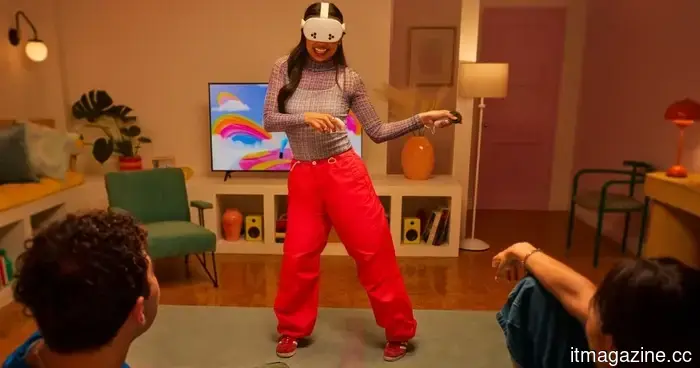
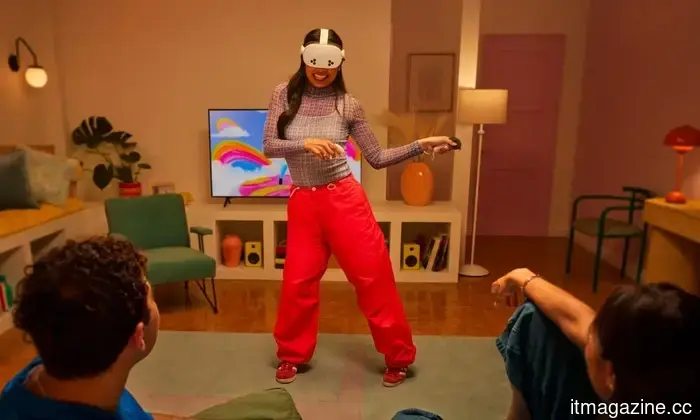
VR headsets can enhance your dancing skills, provided you move beyond just gaming and streaming.
Dancers can now revisit their previous routines with this VR tool
Virtual reality headsets have traditionally been promoted for video games, virtual cinemas, and fitness applications. However, researchers from Cornell University are demonstrating their potential as a valuable creative resource. A doctoral student at Cornell has assisted in the creation of an extended reality tool called "DanXeReflect," which allows dancers to utilize VR headsets to evaluate and enhance their movements in an immersive virtual studio.
How DanXeReflect turns dance videos into a valuable rehearsal resource
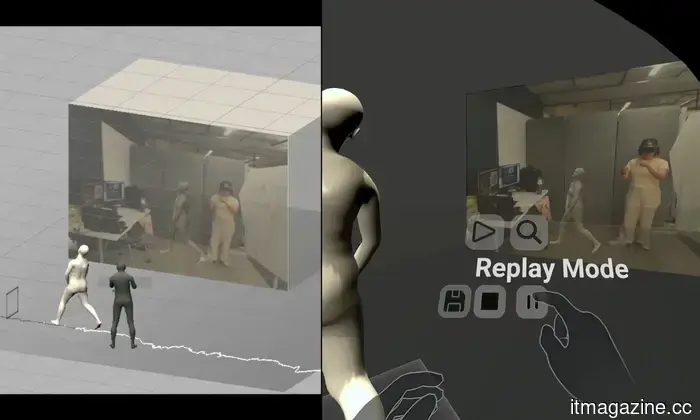
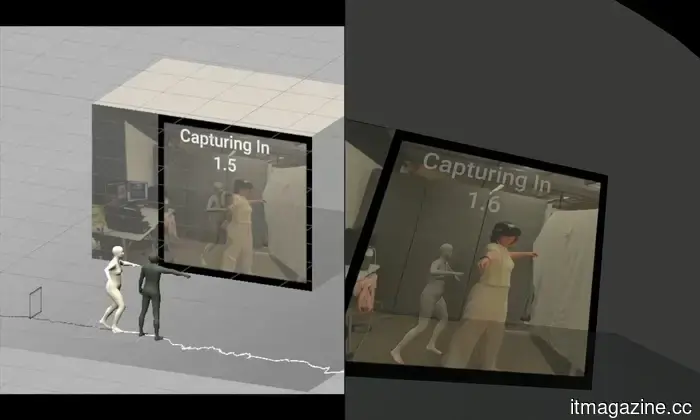
The exciting aspect of DanXeReflect is its ability to convert standard 2D video into a virtual space where movement is represented through interactive avatars. As a result, dancers can avoid watching footage on a flat screen; they can view their moves from an entirely new perspective and analyze them alongside their own body.
It functions like a virtual mirror, enabling a dancer to replicate a pose in front of it, while DanXeReflect assesses that posture against avatar sequences to identify the best match. The corresponding avatar then appears both in the virtual mirror and alongside the dancer in the VR environment. Unlike a conventional video review system, users receive a rehearsal partner demonstrating recorded movements in 3D.
Why this is beneficial for dancers
Hyunju Kim, a doctoral student in information science at Cornell Tech, noted that the concept originated from how dancers naturally communicate about movement. They frequently illustrate choreography by physically demonstrating it rather than relying on verbal explanations. DanXeReflect essentially enhances this process, enabling dancers to explore alternative revisions alongside the original movements. It also allows them to search through a catalog of choreographies by reenacting poses and attaching time-stamped notes directly to specific parts of the virtual avatar.
The researchers consulted six professionals from the Martha Graham dance company, including advanced dancers, directors, and a former dancer. They subsequently recruited nine female dancers from various styles such as street, jazz, ballroom, and ballet. The participants used DanXeReflect as a post-rehearsal video review tool, with one dancer mentioning it helped improve their understanding of 3D movement during the process. For once, the intriguing aspect of a VR project isn’t solely focused on immersion; DanXeReflect demonstrates how headsets can aid individuals in studying and enhancing genuine physical skills.



Other articles
 Indoor solar panels for powering your devices? A team has now demonstrated that it can be done safely.
Scientists have created lead-free indoor solar panels that transform artificial light into electricity with unprecedented efficiency.
Indoor solar panels for powering your devices? A team has now demonstrated that it can be done safely.
Scientists have created lead-free indoor solar panels that transform artificial light into electricity with unprecedented efficiency.
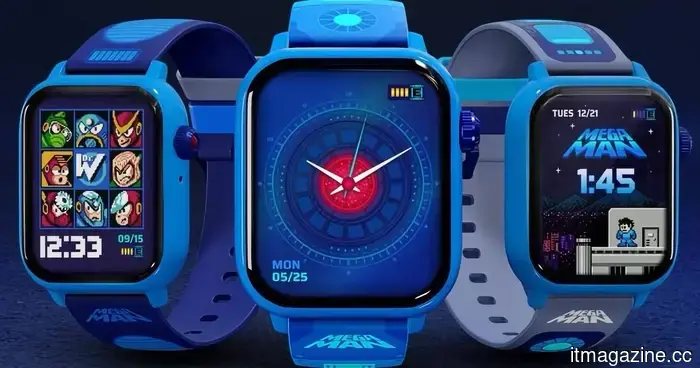 This vintage gaming watch is capable of monitoring your heart rate and playing Mega Man 2 too.
This smartwatch, inspired by a revamped Mega Man 2, features animated watch faces and fitness tracking in a device designed to minimize distractions.
This vintage gaming watch is capable of monitoring your heart rate and playing Mega Man 2 too.
This smartwatch, inspired by a revamped Mega Man 2, features animated watch faces and fitness tracking in a device designed to minimize distractions.
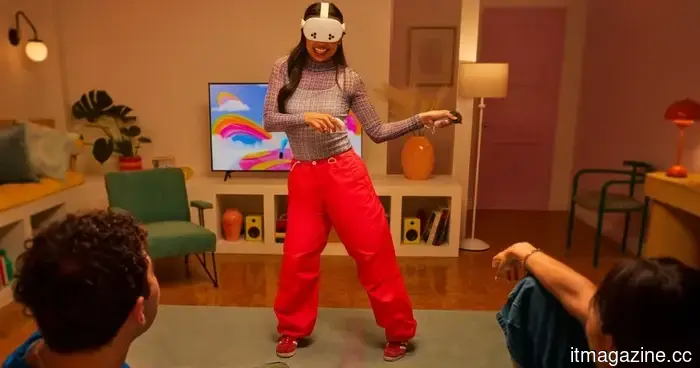 VR headsets can improve your dancing skills, provided you can go beyond just gaming and streaming.
Cornell’s DanXeReflect tool transforms dance videos into interactive 3D avatars, providing performers with a more engaging method to analyze their movements, practice modifications, and give feedback.
VR headsets can improve your dancing skills, provided you can go beyond just gaming and streaming.
Cornell’s DanXeReflect tool transforms dance videos into interactive 3D avatars, providing performers with a more engaging method to analyze their movements, practice modifications, and give feedback.
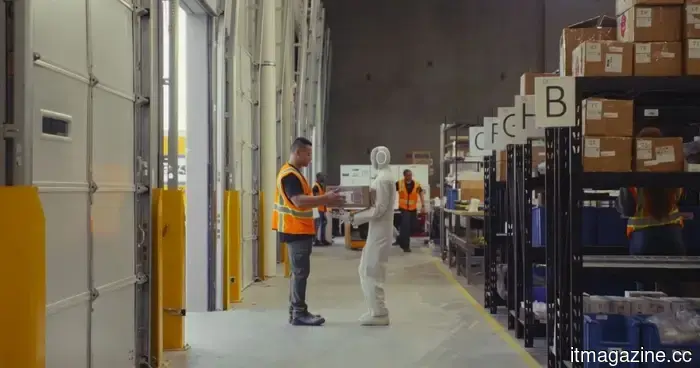 1X showcases the Neo humanoid robot, which assists humans in creating more robots like itself.
1X is progressing towards mass production of humanoid robots, and its recent demonstration illustrates Neo already contributing on the factory floor.
1X showcases the Neo humanoid robot, which assists humans in creating more robots like itself.
1X is progressing towards mass production of humanoid robots, and its recent demonstration illustrates Neo already contributing on the factory floor.
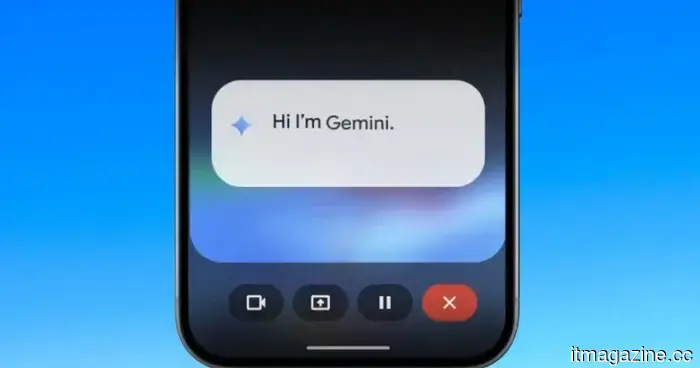 ChatGPT has recently introduced advertisements, and Google is not dismissing the possibility of including ads in the Gemini app.
Advertisements have begun to appear within ChatGPT, and Google is already making space for Gemini to follow suit. The era of chatbot advertisements could be nearer than users anticipated.
ChatGPT has recently introduced advertisements, and Google is not dismissing the possibility of including ads in the Gemini app.
Advertisements have begun to appear within ChatGPT, and Google is already making space for Gemini to follow suit. The era of chatbot advertisements could be nearer than users anticipated.
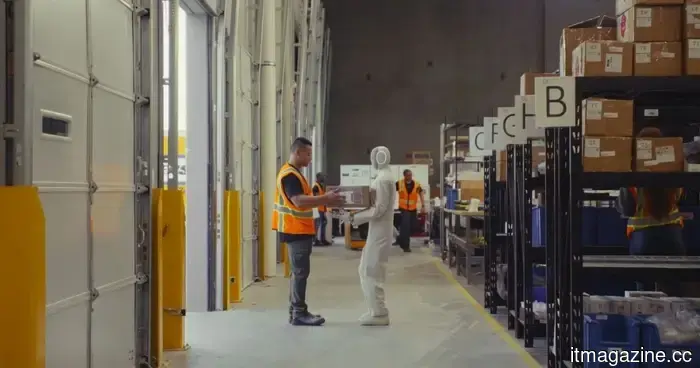 1X showcases the Neo humanoid robot, which assists humans in creating more of its species.
1X is advancing towards the mass production of humanoid robots, and its most recent demonstration reveals Neo already functioning on the factory floor.
1X showcases the Neo humanoid robot, which assists humans in creating more of its species.
1X is advancing towards the mass production of humanoid robots, and its most recent demonstration reveals Neo already functioning on the factory floor.
VR headsets can enhance your dancing skills, provided you move beyond just gaming and streaming.
Cornell's DanXeReflect tool transforms dance footage into interactive 3D avatars, providing dancers with a more engaging method for analyzing their movements, practicing modifications, and giving feedback.