

Indoor solar panels for powering your devices? A team has now demonstrated that it can be done safely.
Researchers have recently enhanced indoor solar panels to make them safer and more efficient, potentially allowing them to replace coin-cell batteries.
At the University of Queensland, researchers have created indoor solar panels that might eventually power wearables, sensors, and small electronic devices using just the ambient light found in homes or offices.
These panels utilize perovskite, a material that is being recognized as a promising alternative to conventional silicon in solar cells. While indoor solar cells made from silicon typically achieve a maximum efficiency of around 10 percent, perovskite can reach much higher levels.
The challenge has been that most perovskite solar cells are made with lead and dangerous solvents, raising concerns about safety and scalability for mass production. The UQ team has developed a workaround for this issue.
So, how does this technology function?
PhD student Zitong Wang, working alongside Dr Miaoqiang Lyu and Professor Lianzhou Wang, created a vapor-based method to produce high-quality lead-free perovskite materials without utilizing harmful solvents.
The panels achieved a power conversion efficiency of 16.36 percent under indoor lighting conditions, marking the highest efficiency recorded for lead-free perovskite indoor solar cells produced through an industry-compatible process.
Could these panels be a substitute for batteries in your devices?
Research is being conducted on using these panels as an alternative to coin-cell and button batteries in low-power gadgets such as environmental sensors, wearables, and health monitors. Supermarkets piloting electronic shelf labels, which substitute paper price tags, may be among the first to adopt this technology.
The panels are thin, flexible, and customizable in various shapes, allowing them to be easily integrated into different products. The next phase involves encapsulation to protect them from moisture and oxygen, after which it will largely be a matter of time.
Dr Lyu anticipates that perovskite indoor panels will reach the consumer market within the coming years. This innovative technological advancement holds the potential to greatly benefit the environment, and I am eager to see how it develops and enhances our lives.
Rachit is an experienced technology journalist with over seven years of expertise in covering the consumer technology sector.
Microsoft has created an AI agent for lawyers within Word. Let's hope it behaves properly.
Microsoft's Legal Agent is designed to analyze contracts and may test users' trust.
Microsoft Word is introducing an AI legal agent, which seems useful, but we must remember past failures. The new Legal Agent can examine contracts, recommend changes, compare versions, and highlight problematic clauses in Word. While these features appear advantageous and pragmatic, prior instances of generative AI tools fabricating entire legal cases, citations, and quotes have previously led real individuals into legal issues.
What are Microsoft’s Legal Agent’s capabilities?
OpenAI has begun pilot testing ads within ChatGPT, prompting AI firms to evaluate the viability of advertising within AI chatbots without frustrating users. Google has now indicated that ads may not be excluded from the Gemini app indefinitely.
During Alphabet’s Q1 2026 earnings discussion, Google Chief Business Officer Philipp Schindler was directly asked about advertising in the Gemini application. He responded cautiously, expressing that Google is currently focused on the free tier, subscriptions, and AI developments, while also working to monetize AI Mode in Search first.
Virtual Reality headsets may enhance your dancing skills, provided you look beyond gaming and streaming.
With the use of this VR tool, dancers can revisit their previous routines.
Virtual Reality headsets have primarily been marketed for video games, virtual movies, and fitness. However, researchers at Cornell are demonstrating their effectiveness as a creative resource. A doctoral student at Cornell has assisted in the development of an extended reality tool called "DanXeReflect," enabling dancers to use VR headsets to observe and improve their movements within an immersive virtual environment.


Other articles
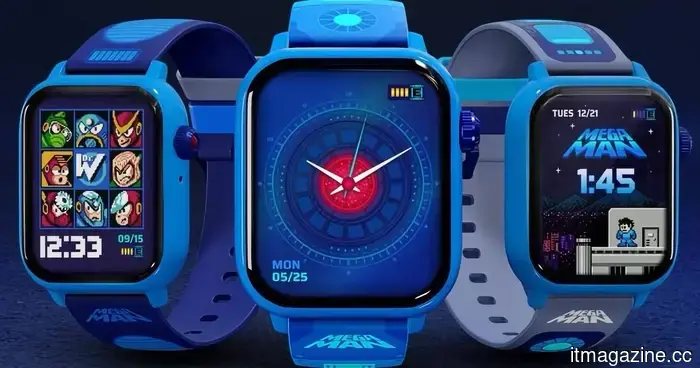 This vintage gaming watch is capable of monitoring your heart rate and playing Mega Man 2 too.
This smartwatch, inspired by a revamped Mega Man 2, features animated watch faces and fitness tracking in a device designed to minimize distractions.
This vintage gaming watch is capable of monitoring your heart rate and playing Mega Man 2 too.
This smartwatch, inspired by a revamped Mega Man 2, features animated watch faces and fitness tracking in a device designed to minimize distractions.
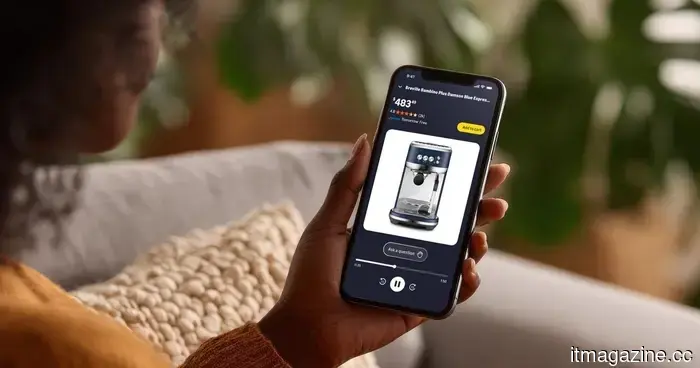 Amazon's latest AI shopping podcasts are going off track.
Amazon's AI-driven shopping feature now generates audio summaries of products featuring interactive hosts, and initial instances demonstrate how swiftly helpful summaries can evolve into uncomfortable infomercials.
Amazon's latest AI shopping podcasts are going off track.
Amazon's AI-driven shopping feature now generates audio summaries of products featuring interactive hosts, and initial instances demonstrate how swiftly helpful summaries can evolve into uncomfortable infomercials.
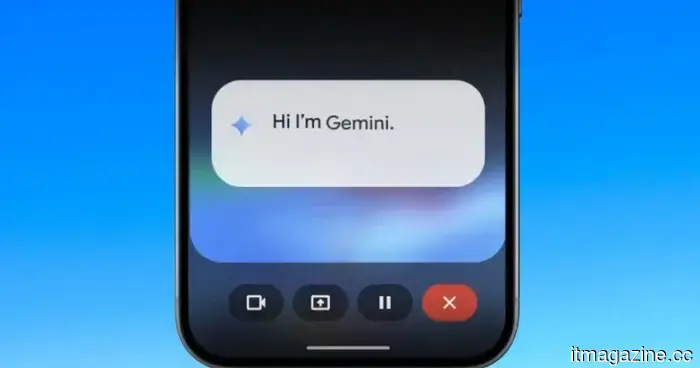 ChatGPT has recently introduced advertisements, and Google is not dismissing the possibility of including ads in the Gemini app.
Advertisements have begun to appear within ChatGPT, and Google is already making space for Gemini to follow suit. The era of chatbot advertisements could be nearer than users anticipated.
ChatGPT has recently introduced advertisements, and Google is not dismissing the possibility of including ads in the Gemini app.
Advertisements have begun to appear within ChatGPT, and Google is already making space for Gemini to follow suit. The era of chatbot advertisements could be nearer than users anticipated.
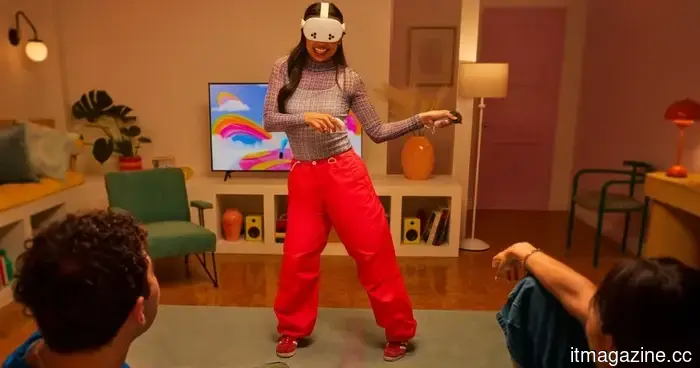 VR headsets can improve your dancing skills, provided you can go beyond just gaming and streaming.
Cornell’s DanXeReflect tool transforms dance videos into interactive 3D avatars, providing performers with a more engaging method to analyze their movements, practice modifications, and give feedback.
VR headsets can improve your dancing skills, provided you can go beyond just gaming and streaming.
Cornell’s DanXeReflect tool transforms dance videos into interactive 3D avatars, providing performers with a more engaging method to analyze their movements, practice modifications, and give feedback.
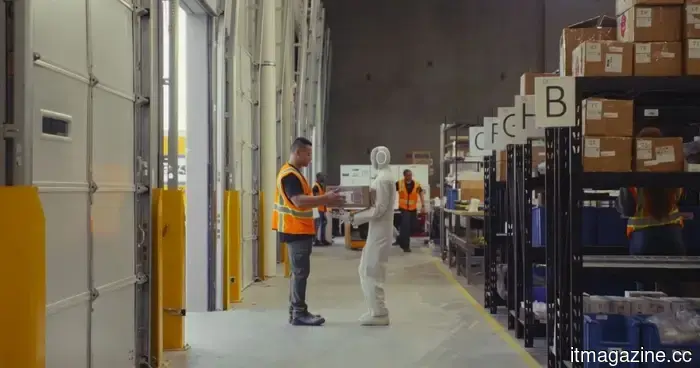 1X showcases the Neo humanoid robot, which assists humans in creating more robots like itself.
1X is progressing towards mass production of humanoid robots, and its recent demonstration illustrates Neo already contributing on the factory floor.
1X showcases the Neo humanoid robot, which assists humans in creating more robots like itself.
1X is progressing towards mass production of humanoid robots, and its recent demonstration illustrates Neo already contributing on the factory floor.
 In trials conducted at Harvard, AI outperformed doctors in making emergency diagnoses.
A trial at Harvard revealed that OpenAI's o1 model outperformed doctors in emergency triage diagnoses, highlighting the potential of AI as a secondary opinion resource in hospitals.
In trials conducted at Harvard, AI outperformed doctors in making emergency diagnoses.
A trial at Harvard revealed that OpenAI's o1 model outperformed doctors in emergency triage diagnoses, highlighting the potential of AI as a secondary opinion resource in hospitals.
Indoor solar panels for powering your devices? A team has now demonstrated that it can be done safely.
Scientists have created lead-free indoor solar panels that transform artificial light into electricity with unprecedented efficiency.