

The unseen laborers of the influencer economy are the first to face the threat of AI.
During a trip to Dharamshala in 2024, a famous spiritual center in India, I was taken aback by the number of remote workers occupying café tables, fixated on their laptops. At least three of my dormitory roommates shared that they manage social media content for US-based creators who boast hundreds of thousands of followers.
One ambitious 17-year-old excitedly mentioned that she oversees regional YouTube channels for a renowned US creator with over three million subscribers and aims to rapidly gain fans in the densely populated Southeast Asian market.
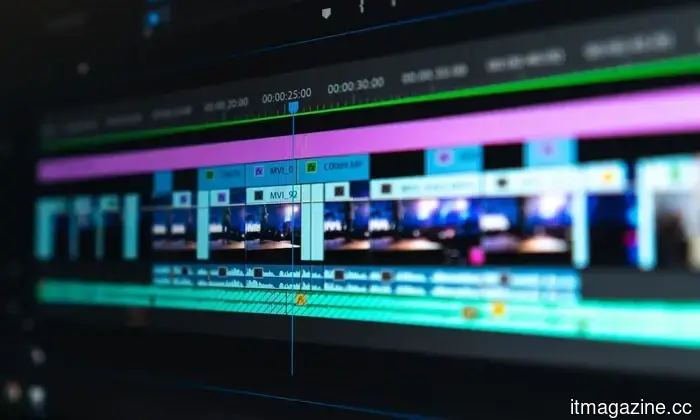
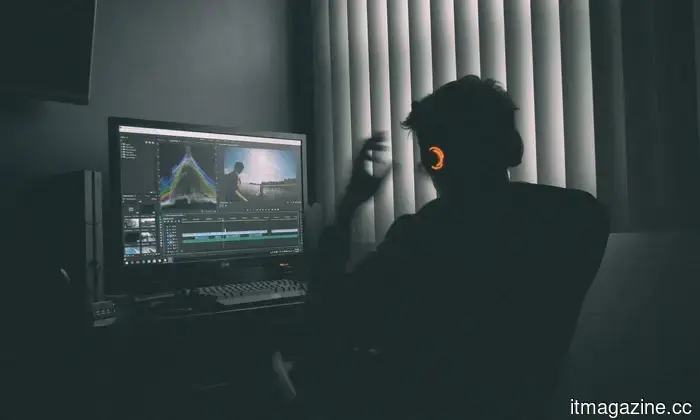
For these freelancers connected to the unpredictable "social media economy," typical daily tasks involve editing videos, translating clips, creating local language voiceovers, and posting on social media to cultivate an audience in the East for US and EU-based creators.
The pay was decent, at least by local standards. However, the initial excitement is fading, largely due to the impact of AI.
The creator economy often portrays a simple fairy tale: one charismatic individual, one camera, and one stroke of luck. It makes for a compelling narrative but is fundamentally misleading.
Much of what is labeled organic growth has been systematized for years. A recent article in the Hollywood Reporter indicated that major creators and media companies have depended on a multitude of editors to transform long videos into viral content, turning audience growth into a numbers game. This process extended beyond editors to encompass a wider array of digital labor, including those dedicated to editing, creating thumbnails, and providing virtual assistance for scheduling, posting, inbox management, and brand administration.
Many of these workers are located in countries that bolster global remote services, like the Philippines and India, where outsourcing continues to employ millions. The IT-BPM sector in the Philippines concluded 2024 with 1.82 million jobs and $38 billion in revenue, while India's tech workforce reached 5.43 million in FY24.
The creator economy did not invent this structure; it simply adapted and glamorized it, labeling it as hustle.
The creator economy created a labor pipeline that it could underpay.
What appeared spontaneous was frequently the result of well-planned logistics with favorable lighting. Influencers didn't become ubiquitous on TikTok, Reels, and Shorts purely due to personality; they invested in a production chain that handled everything from cutting clips and resizing videos to writing captions, scheduling posts, and maintaining a steady content stream.
This arrangement thrived because the labor was affordable and largely unnoticed. However, now the very companies that profited from this system are turning to tools like OpusClip, which promise to convert long videos into short clips and publish them across various platforms with ease. The factory setup was always present; AI simply desires fewer workers within it.
AI typically doesn’t eliminate a job outright. Instead, it tends to reduce its value.
This is a detail that the promoters often overlook. Jobs don’t usually vanish in a single dramatic shift; instead, they are diminished in stages.
An editor may evolve into someone who checks AI-generated cuts, corrects captions, replaces thumbnails, fixes timestamps, repurposes clips, and posts them across multiple platforms since the software still struggles with certain tasks. According to Upwork’s 2026 skills report, there has been a 329% year-over-year increase in demand for AI video generation and editing.
This does not imply that human labor is extinct; rather, it suggests that human labor is being relegated to overseeing the machine that is gradually taking over more responsibilities.
The next significant impact will be felt in outsourcing hubs, not just among creator elites.
The simplified version of this narrative involves a wealthy influencer displacing an editor in Los Angeles. The more accurate depiction, however, extends much broader. In Latin America, regional platforms like Workana have thrived by catering to workers excluded from global platforms due to language and market obstacles, with the World Bank recognizing Workana as the largest freelance and remote work platform in the region.
Thus, when AI starts to encroach on this segment of work, the repercussions will extend beyond a few creator agencies or freelance editors in major US cities. It will affect remote workers in outsourcing economies who were promised a secure future in digital work. The same system that transformed customer support and back-office roles into globally exchangeable labor has done the same to creator roles, breaking them down into repeatable tasks that are outsourced and rewarding the fastest, cheapest labor.
This is why the issue surrounding video clipping extends beyond mere creator gossip. AI is not intruding into an immaculate meritocracy; it is tightening its grip on a framework already designed to make workers interchangeable.
The creator economy thrived on invisible human labor when it was cheap and easy to overlook. Now, it is realizing that the purest interpretation of "organic reach" eliminates the need to compensate the workforce behind it.
For thousands of remote workers in India, the Philippines, Sri Lanka, and other freelance-friendly regions of Asia, the pressure is already mounting. With the rapid advancements in AI voice and video technologies like Eleven

Other articles
.jpg) Three underrated movies on Netflix to check out this weekend (April 10-12).
Seeking something unique for this weekend? These three overlooked Netflix films go beyond the typical suggestions, offering genuine emotion, dark narratives, and surprising humor that merit a place on your watchlist.
Three underrated movies on Netflix to check out this weekend (April 10-12).
Seeking something unique for this weekend? These three overlooked Netflix films go beyond the typical suggestions, offering genuine emotion, dark narratives, and surprising humor that merit a place on your watchlist.
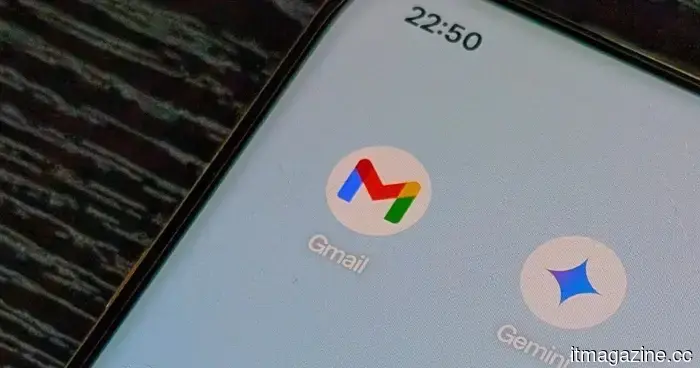 The mobile version of Gmail now includes end-to-end encryption to protect your emails from being intercepted.
The Gmail app by Google on Android and iOS has introduced end-to-end encryption for Workspace Enterprise Plus users, marking a notable improvement in mobile privacy by ensuring that encrypted email content does not pass through Google's servers.
The mobile version of Gmail now includes end-to-end encryption to protect your emails from being intercepted.
The Gmail app by Google on Android and iOS has introduced end-to-end encryption for Workspace Enterprise Plus users, marking a notable improvement in mobile privacy by ensuring that encrypted email content does not pass through Google's servers.
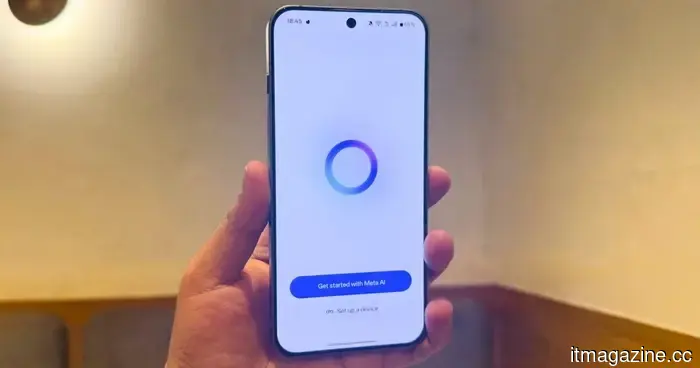 It's best not to rely on Meta’s new Muse Spark AI for health-related guidance.
Meta's latest Muse Spark AI prompts users to share their health data, yet it still generates unreliable and possibly harmful recommendations.
It's best not to rely on Meta’s new Muse Spark AI for health-related guidance.
Meta's latest Muse Spark AI prompts users to share their health data, yet it still generates unreliable and possibly harmful recommendations.
 A leak from Nvidia suggests an unrestricted RAM scenario for the forthcoming N1 laptop processors.
Just too excellent to ignore.
A leak from Nvidia suggests an unrestricted RAM scenario for the forthcoming N1 laptop processors.
Just too excellent to ignore.
 New CAD leak reveals that the Samsung Galaxy Z Flip 8 seems to be thinner.
A leak regarding the Galaxy Z Flip 8 reveals a slimmer design, but it retains the familiar appearance.
New CAD leak reveals that the Samsung Galaxy Z Flip 8 seems to be thinner.
A leak regarding the Galaxy Z Flip 8 reveals a slimmer design, but it retains the familiar appearance.
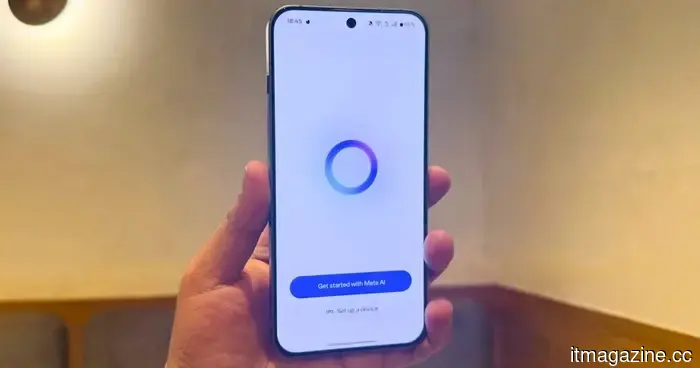 It's best not to rely on Meta's new Muse Spark AI for health-related guidance.
Meta's latest Muse Spark AI prompts users to share their health data, yet it still generates unreliable and possibly harmful recommendations.
It's best not to rely on Meta's new Muse Spark AI for health-related guidance.
Meta's latest Muse Spark AI prompts users to share their health data, yet it still generates unreliable and possibly harmful recommendations.
The unseen laborers of the influencer economy are the first to face the threat of AI.
AI is beginning to take the place of the often unseen global workforce of clippers, editors, and virtual assistants who assisted creators in generating "organic" reach on a large scale.