
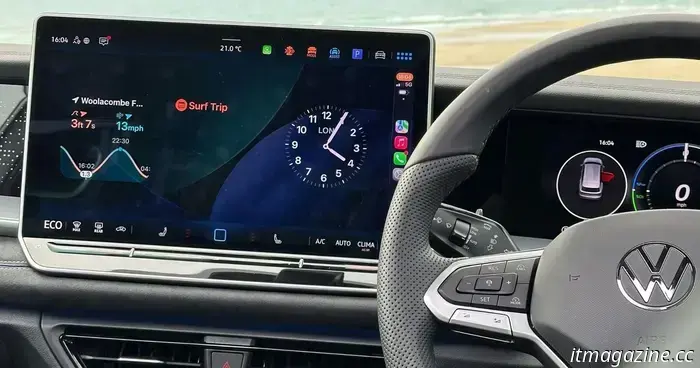
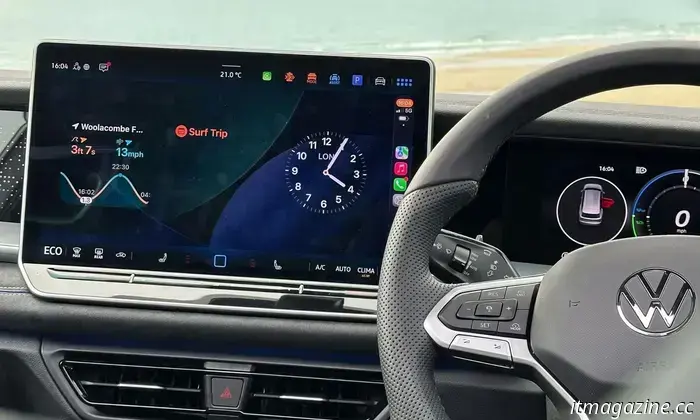
The touchscreen in your car could be more distracting than you think.
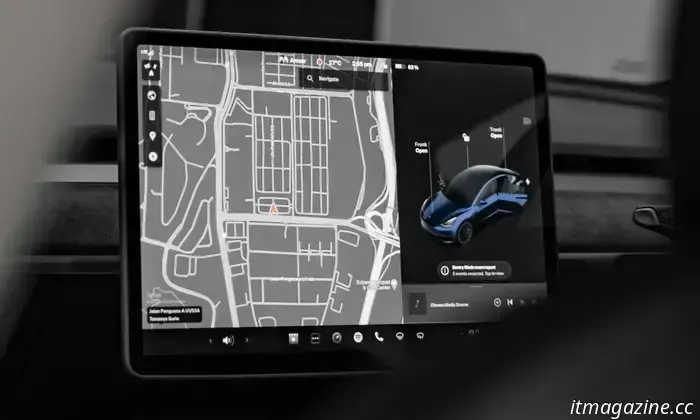
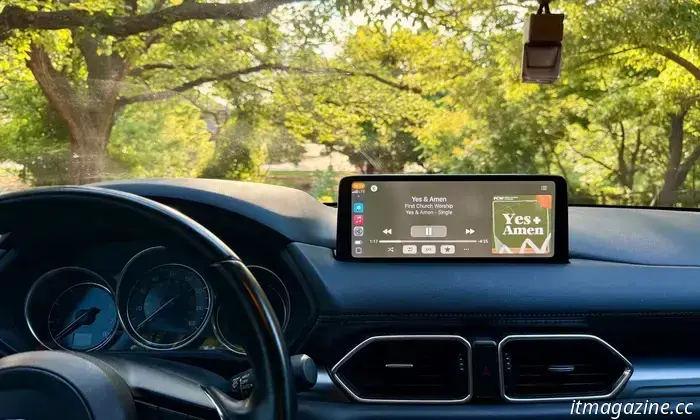
Recent research from the University of Washington (UW) and the Toyota Research Institute (TRI) reveals that touchscreen interfaces in modern vehicles significantly impair both driving abilities and touchscreen accuracy, particularly under cognitive stress. This study comes at a time when automakers are replacing traditional knobs and buttons with large digital displays, prompting concerns regarding safety and driver focus.
As touchscreen interaction and cognitive load increase, driving performance declines
In the study, 16 participants were placed in a vehicle simulator equipped with a 12-inch central touchscreen. The researchers monitored eye movements, finger movements, pupil dilation, and electrodermal activity to gauge cognitive load. Participants were instructed to interact with on-screen targets while concurrently completing an N-back memory task designed to replicate the mental effort involved in navigating traffic, processing alerts, or interpreting roadside information.
The results showed that multitasking negatively affected both driving and touchscreen performance. Drivers using the touchscreen swerved within their lane 42% more often, even before additional cognitive tasks were added. Touchscreen performance also deteriorated significantly: accuracy and speed decreased by 58% during driving, with an additional 17% decline under high mental load.
Attention management worsened as well. With increased cognitive demands, each glance at the touchscreen became 26% shorter, indicating hurried or fragmented visual checks. Additionally, drivers tended to reach for the screen before glancing at it—the “hand-before-eye” ratio increased from 63% to 71% during memory tasks—likely leading to missed taps and longer visual searches.
Interestingly, enlarging the on-screen touch targets did not yield any improvement.
“The time-consuming factor is the visual search,” noted lead author Xiyuan Alan Shen. “Drivers’ hands often move before their eyes, so larger buttons do not resolve the fundamental issue.”
The findings underscore a growing dilemma in automotive design: touchscreens provide flexibility, personalization, and modern aesthetics, yet they require significantly more visual and cognitive engagement from drivers compared to tactile controls. As dashboards increasingly resemble tablets, it raises the question of how much interaction is safe at highway speeds.
The researchers suggest that future systems may need to incorporate built-in intelligence. Eye-tracking or steering-wheel sensors could identify when a driver is cognitively overloaded and automatically adjust the interface—by enlarging essential controls, simplifying menus, or delaying non-essential prompts until the driver can focus again.
The research team shared their findings on September 30 at the ACM Symposium on User Interface Software and Technology in Busan, Korea, emphasizing that this work lays the groundwork for designing safer in-car interfaces as touchscreens become ubiquitous in the industry.



Other articles
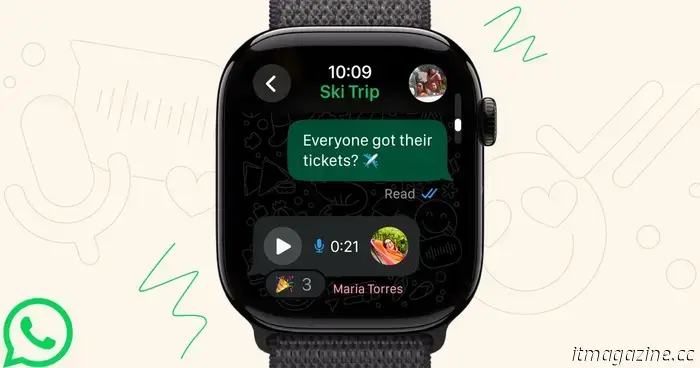 WhatsApp is simplifying the process of monitoring your linked Apple Watch.
WhatsApp on iOS is introducing a new feature that allows users to view connected Apple Watches and monitor their sync status.
WhatsApp is simplifying the process of monitoring your linked Apple Watch.
WhatsApp on iOS is introducing a new feature that allows users to view connected Apple Watches and monitor their sync status.
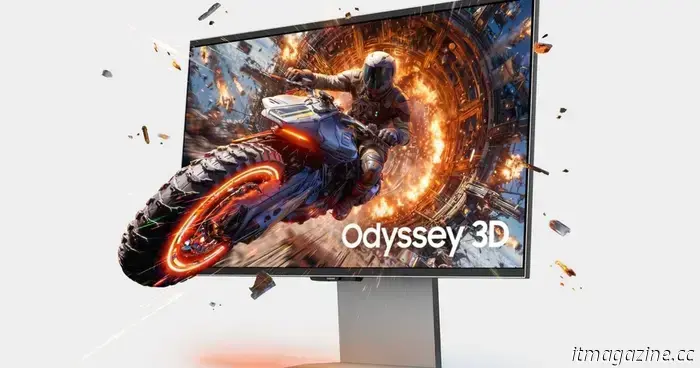 The first glasses-free 3D 6K monitor in the world has been launched.
Samsung's Odyssey 3D gaming monitor brings back glasses-free 3D technology with a 6K display, eye tracking, and advanced processing capabilities, transforming a classic concept into an innovative new display experiment.
The first glasses-free 3D 6K monitor in the world has been launched.
Samsung's Odyssey 3D gaming monitor brings back glasses-free 3D technology with a 6K display, eye tracking, and advanced processing capabilities, transforming a classic concept into an innovative new display experiment.
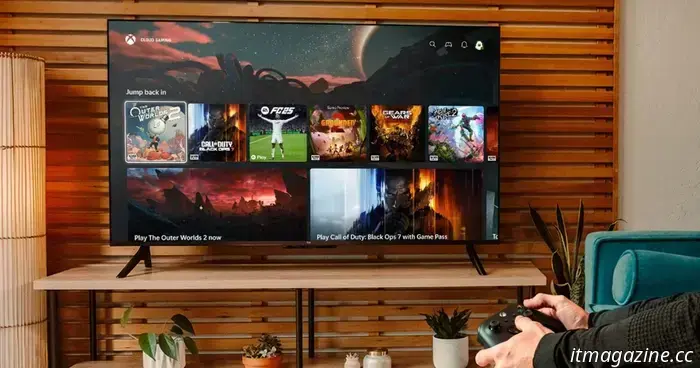 Xbox introduces cloud gaming enjoyment to Amazon Fire TVs.
Amazon Fire TVs are now enabling access to Xbox cloud gaming, permitting users to play Game Pass games using just a controller and an internet connection. This update highlights Xbox's transition towards a cloud-first gaming approach instead of relying on hardware sales.
Xbox introduces cloud gaming enjoyment to Amazon Fire TVs.
Amazon Fire TVs are now enabling access to Xbox cloud gaming, permitting users to play Game Pass games using just a controller and an internet connection. This update highlights Xbox's transition towards a cloud-first gaming approach instead of relying on hardware sales.
 5 excellent free films to enjoy during Christmas
During this holiday season, viewers can and should watch fantastic free films like It's A Wonderful Life and Roofman to celebrate Christmas.
5 excellent free films to enjoy during Christmas
During this holiday season, viewers can and should watch fantastic free films like It's A Wonderful Life and Roofman to celebrate Christmas.
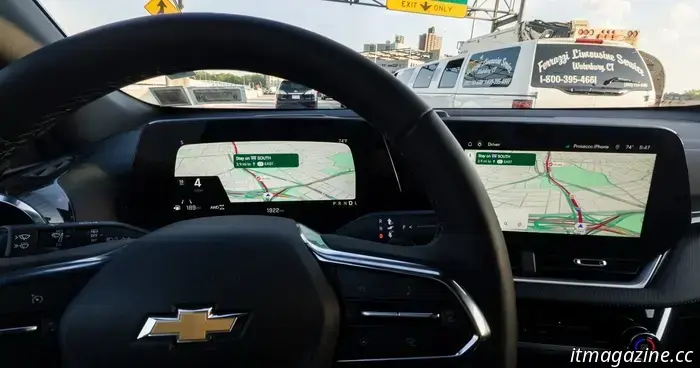 Google has ultimately prevented your valet from accessing your WhatsApp while in the car.
The new Sensitive App Protection feature in Android Automotive allows drivers to secure specific apps with a PIN, improving privacy in shared vehicles while maintaining necessary functionalities.
Google has ultimately prevented your valet from accessing your WhatsApp while in the car.
The new Sensitive App Protection feature in Android Automotive allows drivers to secure specific apps with a PIN, improving privacy in shared vehicles while maintaining necessary functionalities.
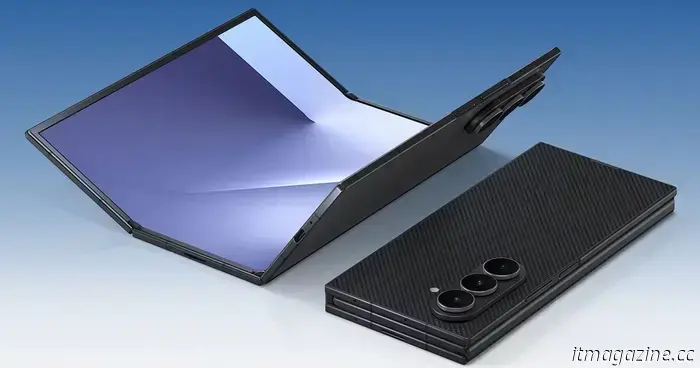 In an independent test, the Samsung Galaxy Z TriFold exhibited hinge fatigue after 144,000 folds.
Independent testers continuously folded the Galaxy Z TriFold for eight days. The hinges began to creak early on and showed signs of weakness after 144,000 folds, yet the display continued to function properly throughout the testing.
In an independent test, the Samsung Galaxy Z TriFold exhibited hinge fatigue after 144,000 folds.
Independent testers continuously folded the Galaxy Z TriFold for eight days. The hinges began to creak early on and showed signs of weakness after 144,000 folds, yet the display continued to function properly throughout the testing.
The touchscreen in your car could be more distracting than you think.
Researchers discovered that utilizing in-car touchscreens leads to significant declines in driving performance, such as drifting out of lanes and delayed reactions.