
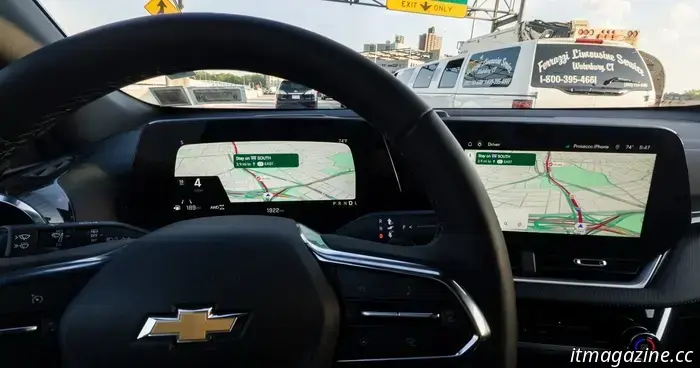
Google has ultimately prevented your valet from accessing your WhatsApp while in the car.
Discover how to secure sensitive applications in Android Automotive
Google is introducing an important privacy enhancement for vehicles operating on Android Automotive: the option to lock individual apps with a PIN. Officially termed Sensitive App Protection, this feature effectively addresses a significant concern for those who share their cars with family, friends, or valets. Previously, unlocking your driver profile meant granting full access to your messages, search history, and personal information when someone else was allowed to use the screen.
A More Detailed Privacy Solution for Shared Vehicles
While Android Automotive has had PIN-protected profiles for some time, those securities essentially disappear once you allow someone else to use the screen for navigation or music. Sensitive App Protection delivers the specificity that was previously lacking. Now, drivers can secure their private applications and browsing information while still keeping essential features like Google Maps or the Assistant accessible.
You can access the new feature under Settings > Privacy > App Lock. It lets you establish a 4-to-16-digit PIN distinct from your main profile code. After setting it up, you can choose which apps to conceal, such as WhatsApp, Chrome, or banking applications. To ensure safety while driving, essential system apps remain unlocked by design. If you forget the PIN, it can be reset via your Google Account, though this may require erasing the data of the locked app to maintain security.
This is significant because cars are inherently shared spaces.
Whether sharing the driving playlist on a trip or giving the keys to a valet, it’s all too easy to unintentionally reveal personal information. This app-level lock serves as a digital barrier, allowing you to share the smart features of your car without exposing your entire digital life.
Technically, Google has developed this as an unbundled system app rather than integrating it directly into the core operating system. This means car manufacturers are responsible for deploying it to their models, similar to the recent dashcam feature deployment. The code is also open-source, so brands can modify it to match their dashboard designs. Owners of vehicles with “Google built-in,” such as Volvo, Polestar, GM, and Honda, will likely be the first to see this feature via over-the-air updates.
Although Google is also planning a similar “App Lock” API for smartphones in the future, this version is a ready-to-use solution specifically designed for the complex, multi-user environment of modern vehicles. As our connection with cars deepens, such locks are expected to become standard in both family SUVs and commercial fleets.


Other articles
 Apple is now providing complimentary two-hour delivery for last-minute holiday shoppers.
Apple is offering free two-hour delivery on qualifying products until December 24, assisting holiday shoppers in obtaining last-minute gifts promptly.
Apple is now providing complimentary two-hour delivery for last-minute holiday shoppers.
Apple is offering free two-hour delivery on qualifying products until December 24, assisting holiday shoppers in obtaining last-minute gifts promptly.
 5 excellent free films to enjoy during Christmas
During this holiday season, viewers can and should watch fantastic free films like It's A Wonderful Life and Roofman to celebrate Christmas.
5 excellent free films to enjoy during Christmas
During this holiday season, viewers can and should watch fantastic free films like It's A Wonderful Life and Roofman to celebrate Christmas.
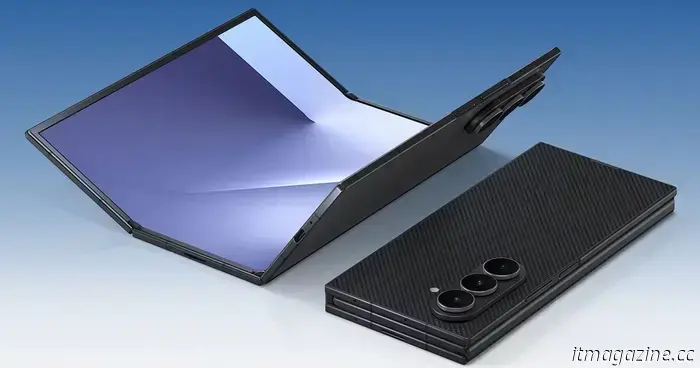 In an independent test, the Samsung Galaxy Z TriFold exhibited hinge fatigue after 144,000 folds.
Independent testers continuously folded the Galaxy Z TriFold for eight days. The hinges began to creak early on and showed signs of weakness after 144,000 folds, yet the display continued to function properly throughout the testing.
In an independent test, the Samsung Galaxy Z TriFold exhibited hinge fatigue after 144,000 folds.
Independent testers continuously folded the Galaxy Z TriFold for eight days. The hinges began to creak early on and showed signs of weakness after 144,000 folds, yet the display continued to function properly throughout the testing.
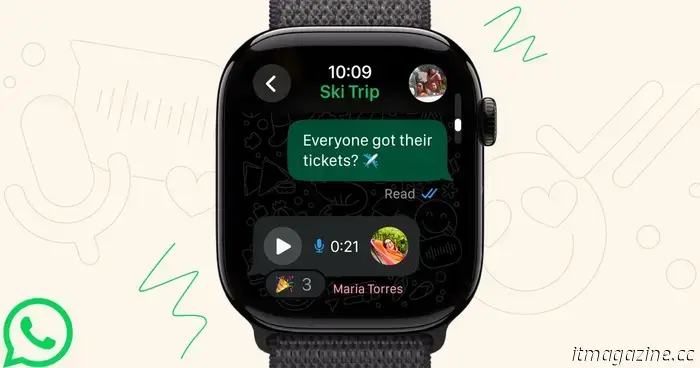 WhatsApp is simplifying the process of monitoring your linked Apple Watch.
WhatsApp on iOS is introducing a new feature that allows users to view connected Apple Watches and monitor their sync status.
WhatsApp is simplifying the process of monitoring your linked Apple Watch.
WhatsApp on iOS is introducing a new feature that allows users to view connected Apple Watches and monitor their sync status.
 This Ninja Creami offer makes it incredibly easy to enjoy soft serve ice cream at home.
The Ninja CREAMi Scoop & Swirl functions like a dessert laboratory on your countertop, allowing you to make ice cream, soft serve, sorbet, gelato-style desserts, and mix-ins without needing to visit the store. Currently, it is priced at $279.99, reduced from a comparable price of $349.99, making it even more appealing if you have been interested in the CREAMi series.
This Ninja Creami offer makes it incredibly easy to enjoy soft serve ice cream at home.
The Ninja CREAMi Scoop & Swirl functions like a dessert laboratory on your countertop, allowing you to make ice cream, soft serve, sorbet, gelato-style desserts, and mix-ins without needing to visit the store. Currently, it is priced at $279.99, reduced from a comparable price of $349.99, making it even more appealing if you have been interested in the CREAMi series.
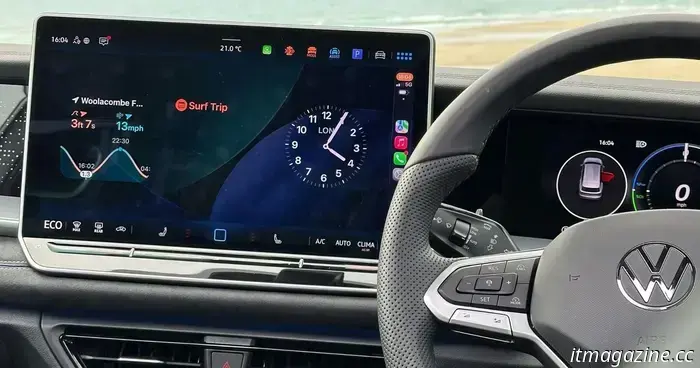 The touchscreen in your car could be more distracting than you think.
Researchers discovered that utilizing in-car touchscreens leads to significant declines in driving performance, such as drifting out of lanes and delayed reactions.
The touchscreen in your car could be more distracting than you think.
Researchers discovered that utilizing in-car touchscreens leads to significant declines in driving performance, such as drifting out of lanes and delayed reactions.
Google has ultimately prevented your valet from accessing your WhatsApp while in the car.
The new Sensitive App Protection feature in Android Automotive allows drivers to secure specific apps with a PIN, improving privacy in shared vehicles while maintaining necessary functionalities.