
If you enjoy Into the Breach, give this quick-paced variation a shot.
In the realm of video games, merely imitating competitors isn’t a recipe for success. Why choose a game that mimics Hades when you could simply play Hades itself? To thrive in the highly competitive gaming landscape, developers need to carefully consider how to evolve existing ideas into something innovative. A great example of this concept this month is Grit and Valor 1949.
At first glance, Milky Tea Studios’ new tactical game resembles Into the Breach. It’s a roguelite where players manage a squad of mechs on diorama-like grids to battle incoming foes. While this might seem derivative without further context, Grit and Valor introduces a distinctive twist on a familiar formula that makes it stand out. Although it may not be as meticulously crafted or groundbreaking as its inspiration, Milky Tea’s willingness to experiment helps it carve a niche within a saturated genre.
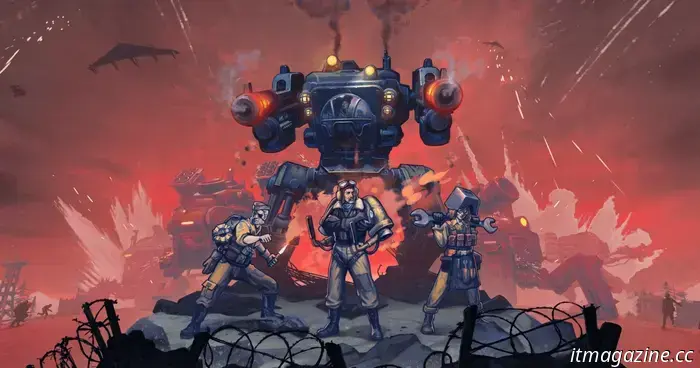
Set in an alternate historical version of World War II, Grit and Valor 1949 presents a scenario where the Axis powers not only triumphed but also built an army of mechs to force their adversaries into labor camps. The Allies respond by creating their own mechs and embarking on a mission to deliver an EMP blast to their enemies' strongholds. While this premise is somewhat ridiculous and doesn't delve deeply into World War II beyond its label, the narrative is not the main focus here.
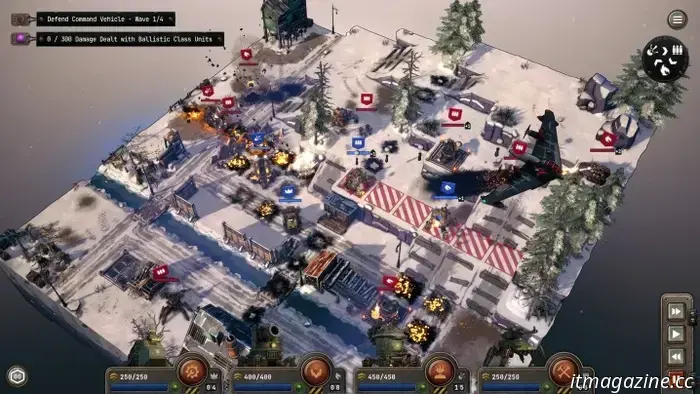
Instead, Milky Tea’s emphasis is on presenting a fresh variation of Into the Breach’s concept. In that game, players moved their mechs across a grid in turn-based combat that felt akin to a game of chess. The significant difference in Grit and Valor is that battles unfold in real time. I must strategically position my squad on a small square board as waves of enemy robots are introduced from the screen's edges. Once directed to a location, the mechs auto-fire at foes coming within range, creating a gameplay experience similar to a reactive tower defense game as I aim to safeguard the transport vehicle carrying the EMP blast until it completes the roguelite mission.
It takes me a few attempts to grasp this format shift. Grit and Valor is a fast-paced game that requires quick thinking and adaptation to an evolving battlefield. I must navigate my mechs into cover to avoid damage, remember to activate their special abilities, move my transport vehicle to safety, collect run-specific mech upgrades that appear each round, and tackle bonus objectives like destroying missile silos before a round concludes. At times, it can feel overwhelming, especially when I must maneuver my mechs within grid squares as missiles bombard them. Juggling the Fire Emblem-style mechanics of mech advantages amidst all of this makes it feel slightly excessive. Eventually, the pause function becomes my ally, allowing me to strategize everyone's positioning before chaos ensues.
Once I mastered that aspect, Grit and Valor began to unfold its potential. I discovered a rhythm as I learned to utilize my squad effectively. I figured out how to have my cargo vehicle collect upgrades while my mechs held their ground, which also served as a good evasive tactic. I improved at positioning my long-range sniper bot, enabling it both to target enemy bots from a distance and to engage optional objectives when my front lines were secure. I gained a better understanding of creating mech builds with the random upgrades I acquired each run, enhancing the defense of my close-range units while boosting the attack power of my backline bots. Each run added to my strategic knowledge, alleviating the somewhat repetitive nature of its roguelite arena battles.
This design is intentional, as Milky Tea anticipates that players will fail and learn from those experiences. There's a meta progression system underlying the core gameplay where players can spend various currencies to unlock new mechs, equip them with perks, improve their pilots’ stats, and research upgrades that alter future runs. While this does provide a sense of value to each run by earning resources even in defeat, it can also make early gameplay feel somewhat daunting. Until I unlock the ability to include three mechs in my squad instead of two, there’s little hope for victory. Although it’s not as restrictive as some games, like Warriors: Abyss, which can't be completed without certain upgrades, I dislike feeling that there’s no point in striving for success even in an early run.
Despite some challenges, I'm pleased that Grit and Valor 1949 doesn’t merely replicate the mechanics of Into the Breach. This tactical game shows considerable adaptability to its source material and seeks to innovate upon it. While it may not become a genre-defining classic, Milky Tea has certainly earned respect with this effort. I look forward to seeing how the studio approaches its next project.
Grit and Valor 1949 is currently available on PC.
Other articles
 Leading Apple analyst indicates that the iPhone Mini is essentially no longer available.
Mark Gurman indicates that fans of the iPhone Mini are disappointed, as Apple has no intentions of reintroducing the compact devices.
Leading Apple analyst indicates that the iPhone Mini is essentially no longer available.
Mark Gurman indicates that fans of the iPhone Mini are disappointed, as Apple has no intentions of reintroducing the compact devices.
 How to marry in Inzoi
The subsequent step following dating is marriage, so here’s how to tie the knot for your Zois and how to organize their lavish wedding in the life simulation game Inzoi.
How to marry in Inzoi
The subsequent step following dating is marriage, so here’s how to tie the knot for your Zois and how to organize their lavish wedding in the life simulation game Inzoi.
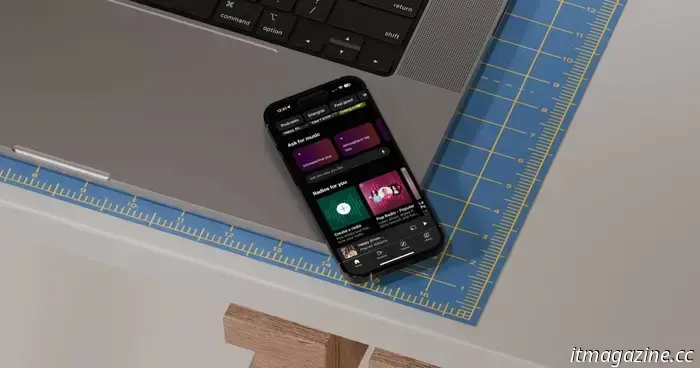 YouTube Music allows you to request your way to improved playlists.
YouTube Music has introduced three new features that enhance its functionality, making the No. 4 streaming service in the U.S. even more beneficial.
YouTube Music allows you to request your way to improved playlists.
YouTube Music has introduced three new features that enhance its functionality, making the No. 4 streaming service in the U.S. even more beneficial.
 Feeling affected by the GPU shortage? These PCs from Gigabyte might be a suitable alternative.
Gigabyte has recently launched new gaming desktops, equipped with impressive specifications.
Feeling affected by the GPU shortage? These PCs from Gigabyte might be a suitable alternative.
Gigabyte has recently launched new gaming desktops, equipped with impressive specifications.
 Amazon employs AI to assist shoppers who feel inundated by excessive options.
Amazon has launched Interests, a new AI shopping feature designed to assist customers in swiftly discovering products that align with their preferences.
Amazon employs AI to assist shoppers who feel inundated by excessive options.
Amazon has launched Interests, a new AI shopping feature designed to assist customers in swiftly discovering products that align with their preferences.
 A surprise Nintendo Direct is scheduled for tomorrow, but don’t anticipate any news regarding the Switch 2.
Nintendo has revealed an unexpected Direct set for March 27, but you shouldn't anticipate any updates regarding the forthcoming Switch 2.
A surprise Nintendo Direct is scheduled for tomorrow, but don’t anticipate any news regarding the Switch 2.
Nintendo has revealed an unexpected Direct set for March 27, but you shouldn't anticipate any updates regarding the forthcoming Switch 2.
If you enjoy Into the Breach, give this quick-paced variation a shot.
Grit and Valor 1949 offers an innovative take on Into the Breach, turning the turn-based tactics game into a quicker experience.