
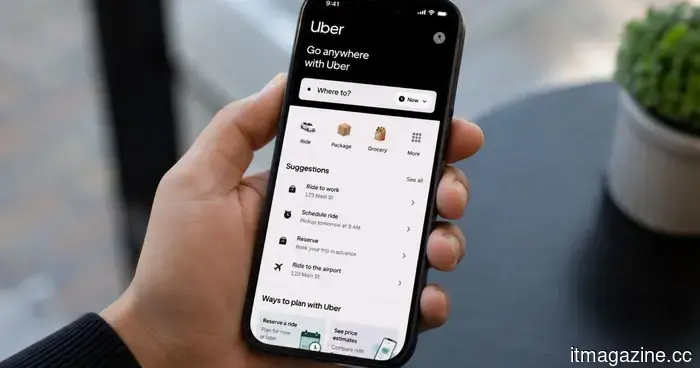
Request an Uber, and a self-driving Mustang could arrive.
Digital Trends might earn a commission when you purchase through links on our website. Why should you trust us?
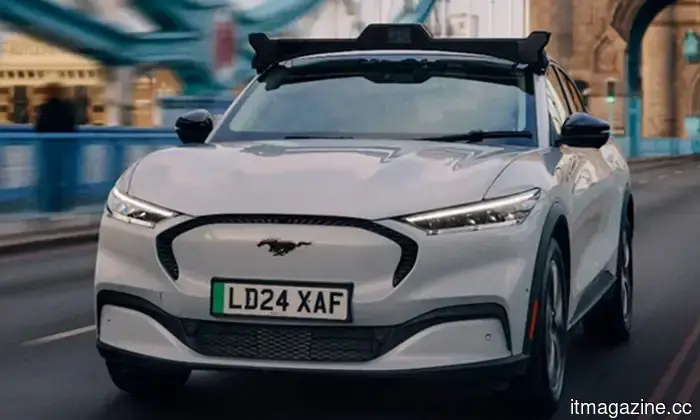
Ordering an Uber in London could lead to an unexpected experience today. Instead of a standard car and driver arriving, you might see a Ford Mustang Mach-E capable of driving itself. Uber has launched the first public robotaxi service in London in collaboration with British autonomous driving firm Wayve. This service is accessible through the existing Uber app, meaning you don't need to download anything extra or book a special ride to try it out.
However, there is an important detail to note. While the cars will be self-driving, a trained safety operator will initially be behind the wheel, ready to intervene if needed. Fully driverless rides are planned for the future. The launch fleet features electric Mustang Mach-Es fitted with cameras, radar, and Wayve’s AI Driver technology. These systems provide the vehicle with a 360-degree awareness of its surroundings. And given London’s environment, it seems like a fitting location to test this technology.
London's streets are quite the challenge for AI driving
Wayve employs a different method for autonomous driving compared to systems that heavily depend on detailed mapping and set rules. Its technology utilizes AI models trained on real-world driving experiences to navigate roads. The intention is that these learned behaviors can adapt to unfamiliar situations, enabling vehicles to adjust to diverse roads, weather conditions, other vehicles, and even entirely new cities. London presents numerous unfamiliar scenarios.
The city's narrow streets, complex one-way roads, cyclists, pedestrians, and notoriously heavy traffic make it a particularly demanding environment for self-driving cars. Nevertheless, Wayve has some background in this area. Founded in London in 2017, the company has been testing its technology on public roads since 2020. It's also unlikely that London will remain the only focus for long. Waymo is planning to launch a robotaxi service in London later this year, pending regulatory approval, while Wayve and Uber are already preparing to introduce autonomous Nissan Leafs to Tokyo by late 2026.
You might receive one without specifically requesting it
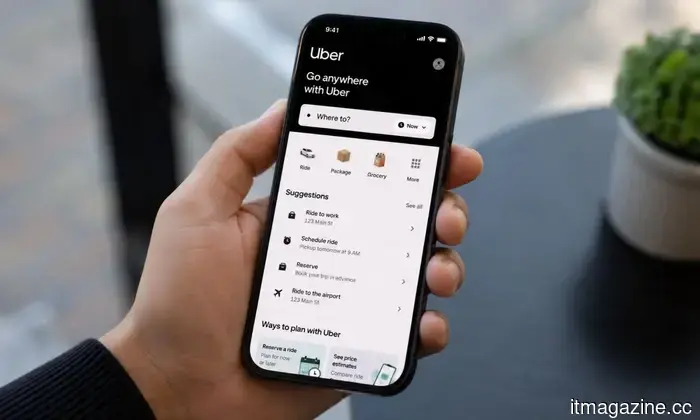
Experiencing Wayve’s robotaxi doesn’t require searching for a new option in the Uber app. If you request an UberX, Uber Comfort, or Uber Electric in London, you might automatically be paired with an autonomous Mustang Mach-E. Uber states there’s no extra charge, and you’ll still see the fare before agreeing to the trip. You’ll also be informed about what type of vehicle has been assigned to you. If an autonomous vehicle is sent, Uber will notify you, and you have the option to switch to a standard ride if you prefer a human driver.
If you want to increase your chances of trying one, you can enable a setting under Account > Settings > Autonomous Vehicles that boosts your chances of getting matched with an autonomous vehicle. Once the Mach-E arrives, the Uber app can unlock the vehicle and start your ride. An interior touchscreen will display the route, while human assistance is available if something goes awry. Additionally, there’s a small perk at the end of the journey: you can rate your robotaxi, but Uber won’t ask you for a tip. For Londoners curious about self-driving vehicles, trying one has just become significantly easier—you might just need to order your usual Uber.
Shimul is a contributor at Digital Trends, boasting over five years of experience in the tech industry.
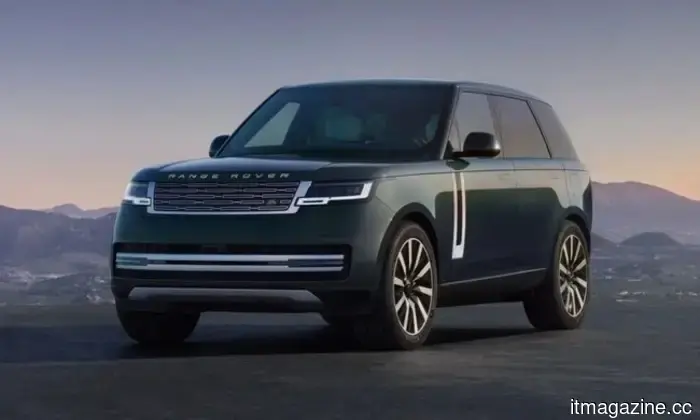
The electric Range Rover is here, and you might need a financial boost
The Range Rover has always been synonymous with luxury, size, and price, and its first fully electric model continues that legacy into the EV era. Jaguar Land Rover’s (JLR) inaugural battery-electric Range Rover is now available for orders, starting at £154,070, or around $208,420. This positions it among the most expensive electric SUVs on the market.
This electric version costs nearly £50,000 more than its standard combustion-engine counterpart. Its price bracket aligns with that of the electric Mercedes-Benz G 580, and it is not far from ultra-luxury gasoline SUVs like the Bentley Bentayga.
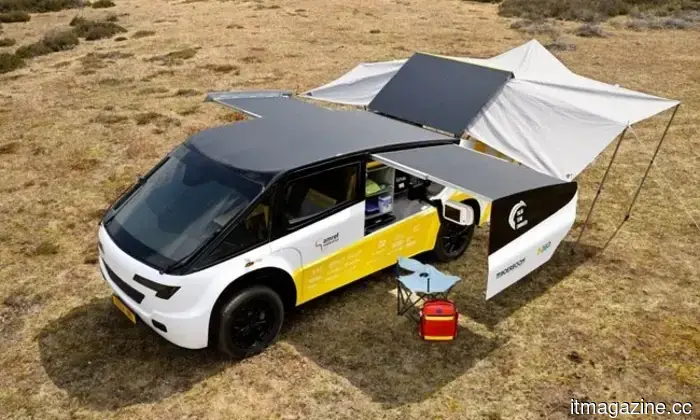
For years, solar-powered vehicles have generally existed in the realm of prototypes and academic projects. Now, one has completed a significant test: it traveled hundreds of miles through challenging terrain while transporting medical equipment and generating enough electricity for independent operation. Named Stella Juva, the vehicle was created by Solar Team Eindhoven, a group of 23 students from Eindhoven University of Technology and two other educational institutions. According to a CNN report, the team presents it as the world’s first solar ambulance. Unlike conventional ambulances, however, Stella Juva is more focused on delivering medical care to individuals who have difficulty accessing it rather than hastily transporting patients to hospitals.
Texas drivers helped finance approximately 3,200 Flock surveillance cameras through a vehicle crime prevention fee
Texas may already have around 13,000 Flock surveillance cameras monitoring its roads, according to crowdsourced estimates from DeFlock

Other articles
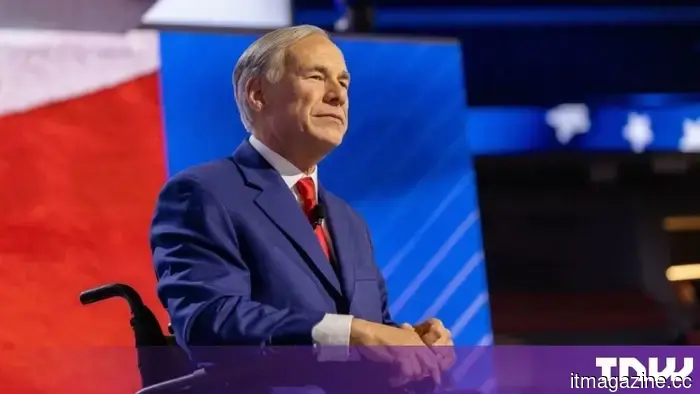 Texas Republicans are opposing data centers, and both candidates for the Senate support the same regulations regarding water.
Data centers have emerged as a pivotal topic in the gubernatorial and Senate races in Texas. Ken Paxton and James Talarico have both suggested implementing closed-loop water mandates, while Abbott is campaigning on the water connection pause he initiated in August.
Texas Republicans are opposing data centers, and both candidates for the Senate support the same regulations regarding water.
Data centers have emerged as a pivotal topic in the gubernatorial and Senate races in Texas. Ken Paxton and James Talarico have both suggested implementing closed-loop water mandates, while Abbott is campaigning on the water connection pause he initiated in August.
 Uber and Wayve introduce London’s inaugural robotaxi service, featuring a safety driver in each vehicle.
Uber and Wayve started transporting passengers in London on Thursday using fewer than 20 Ford Mustang Mach-Es. TfL has approved the vehicles as private hire cars, which means a licensed driver must be present and accountable for every journey.
Uber and Wayve introduce London’s inaugural robotaxi service, featuring a safety driver in each vehicle.
Uber and Wayve started transporting passengers in London on Thursday using fewer than 20 Ford Mustang Mach-Es. TfL has approved the vehicles as private hire cars, which means a licensed driver must be present and accountable for every journey.
 Snowflake exceeded expectations in nearly all areas, except for one figure that went in the opposite direction.
Snowflake surpassed expectations for revenue, profit, and guidance, leading to a more than 20% increase in its stock price. However, its remaining performance obligations were $370 million lower than anticipated.
Snowflake exceeded expectations in nearly all areas, except for one figure that went in the opposite direction.
Snowflake surpassed expectations for revenue, profit, and guidance, leading to a more than 20% increase in its stock price. However, its remaining performance obligations were $370 million lower than anticipated.
 Meta is altering its criteria for evaluating employees following an unusual AI experiment.
Meta is altering its evaluation criteria for employees following an unusual period of monitoring AI usage. Your contributions are valued more than the quantity of tokens you utilize.
Meta is altering its criteria for evaluating employees following an unusual AI experiment.
Meta is altering its evaluation criteria for employees following an unusual period of monitoring AI usage. Your contributions are valued more than the quantity of tokens you utilize.
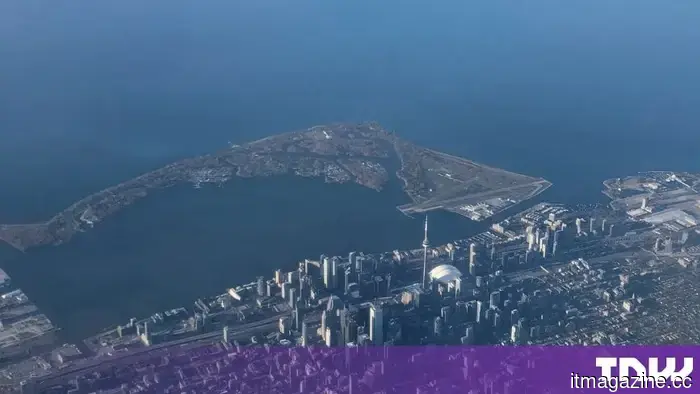
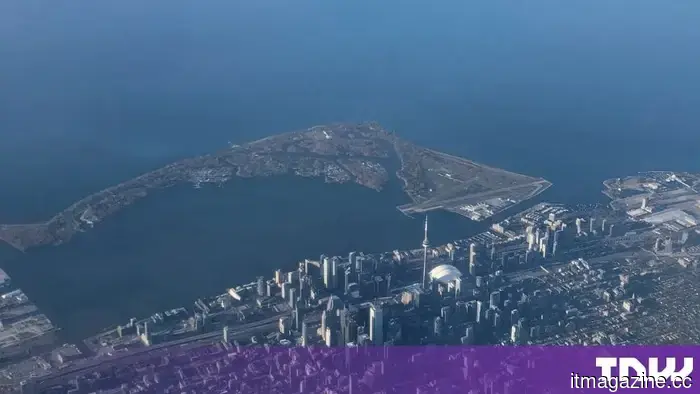 The initial action taken by Apple's new CEO was to rename a lake in Canada.
Apple Maps has now made Lake America visible to US users. This change took place on John Ternus's inaugural day, while MapQuest remains at the top for opting not to implement the same.
The initial action taken by Apple's new CEO was to rename a lake in Canada.
Apple Maps has now made Lake America visible to US users. This change took place on John Ternus's inaugural day, while MapQuest remains at the top for opting not to implement the same.
 From uncontrolled expansion to technology-driven development in China's AI short drama sector.
In September, China introduced its initial specific regulatory framework for micro-dramas, known as the Administrative Measures for the Development of Micro-Dramas.
From uncontrolled expansion to technology-driven development in China's AI short drama sector.
In September, China introduced its initial specific regulatory framework for micro-dramas, known as the Administrative Measures for the Development of Micro-Dramas.
Request an Uber, and a self-driving Mustang could arrive.
Londoners can now receive something unique when they request an Uber: a self-driving Ford Mustang Mach-E. Additionally, there is no extra charge for this experience.