
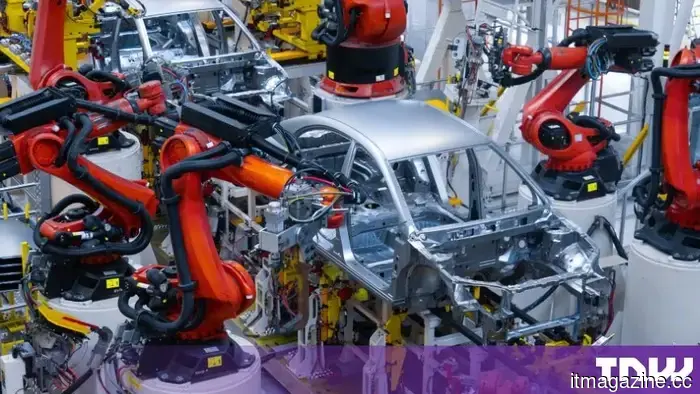
China exported 8.32 million vehicles last year, and it now aims to sell them at consistent prices.
China's commerce and industry ministries, alongside its market regulator, have released joint guidelines advising automakers to determine overseas prices based on costs and market demand, establish clear price tiers, and minimize frequent significant changes. The EU has been working for two years to replace its countervailing duties on Chinese electric vehicles with a negotiated minimum import price.
China has instructed its car manufacturers to refrain from competing on price internationally. According to Semafor, three government entities have published joint guidelines for overseas expansion.
The guidelines are notably detailed. They specify that pricing should reflect costs and market demand, clear tiers should be set according to vehicle configuration, frequent drastic changes should be avoided, and the pricing autonomy of local dealers should be respected.
The issuers have clarified their target audience. The guidelines were published by the commerce and industry ministries and market regulator as general advice, as reported by CnEVPost.
The large volumes involved explain the concern. In 2025, China exported 8.32 million vehicles, with 2.77 million new energy passenger cars exported in the first seven months of this year; total passenger car exports during this period reached approximately 5.18 million.
Europe is the key market in focus. The EU implemented definitive countervailing duties on Chinese battery electric vehicles in October 2024, ranging from 7.8% to 35.3%, in addition to the standard 10% import duty. Brussels has been striving to find a replacement ever since. The proposed alternative is a minimum import price, which would be agreed upon as a commitment rather than enforced as a tariff.
The Commission outlined its terms in January, detailing the minimum price, sales channels, cross-compensation, and future investment within the EU. Beijing has now issued corresponding directives. These include cost-based pricing, clear tiers, and a prohibition on disruptive undercutting, decided in Beijing instead of negotiated in Brussels.
The political situation within the EU remains unresolved as well. TNW reported that Germany and Hungary opposed the tariffs when they were enacted, influenced by their Chinese investments. Hungary is home to BYD’s European factory, while German automakers have significant sales in China.
Regardless of these issues, the market has continued to evolve. As of July, Europe’s electric vehicle market share reached 25%, with sales soaring by 51%.
The guidelines do not specify any penalties. They request companies to adhere to host country laws and international regulations, but they do not outline consequences for non-compliance. The guidance also addresses after-sales service, labor protections, and connected vehicle data.
This poses a challenge for Brussels. A price floor that cannot be enforced is distinct from one that has been negotiated, and BYD is already constructing within the tariff barrier at its factory in Szeged.
Другие статьи
 Acer introduced a gaming handheld that can transform into a compact laptop.
Acer’s Project DualPlay Mini is a concept for an 8-inch gaming handheld that transforms into laptop mode, featuring a backlit keyboard and support for external displays.
Acer introduced a gaming handheld that can transform into a compact laptop.
Acer’s Project DualPlay Mini is a concept for an 8-inch gaming handheld that transforms into laptop mode, featuring a backlit keyboard and support for external displays.
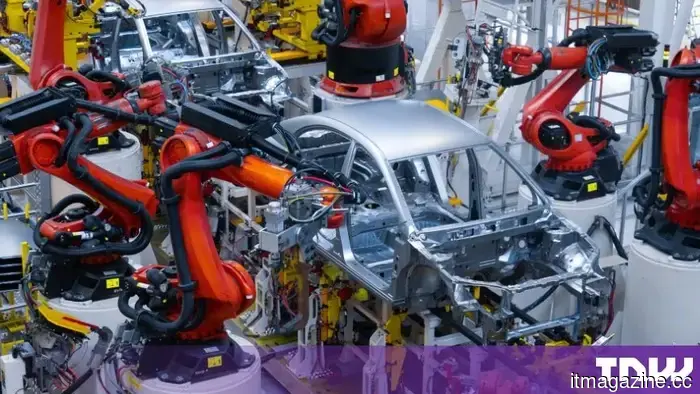 China exported 8.32 million vehicles last year and is now aiming for stable pricing on those sales.
China has instructed its automakers to set prices based on costs and refrain from making significant reductions in foreign markets. Meanwhile, Brussels has been working for two years to reach an agreement on a minimum import price.
China exported 8.32 million vehicles last year and is now aiming for stable pricing on those sales.
China has instructed its automakers to set prices based on costs and refrain from making significant reductions in foreign markets. Meanwhile, Brussels has been working for two years to reach an agreement on a minimum import price.
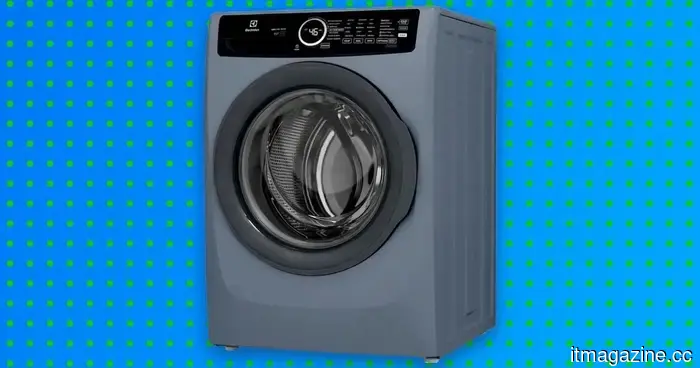 Best Buy is offering significant Labor Day savings on these six appliances.
I went through Best Buy's Labor Day appliance sale and discovered six significant appliance deals to consider, including a $1,200 discount on an LG refrigerator.
Best Buy is offering significant Labor Day savings on these six appliances.
I went through Best Buy's Labor Day appliance sale and discovered six significant appliance deals to consider, including a $1,200 discount on an LG refrigerator.
 Google Messages has integrated Google Keep, simplifying the management of group plans.
Google Messages is integrating Google Keep, allowing users to create and modify shared notes and lists directly within a conversation.
Google Messages has integrated Google Keep, simplifying the management of group plans.
Google Messages is integrating Google Keep, allowing users to create and modify shared notes and lists directly within a conversation.
 Uber reduces its workforce by 10% and terminates operations in Nigeria and Uganda.
Uber is laying off 3,300 employees and withdrawing from Nigeria and Uganda. According to its memo, all individuals have been informed, except in cases where local protocols are in place, specifically referring to Europe.
Uber reduces its workforce by 10% and terminates operations in Nigeria and Uganda.
Uber is laying off 3,300 employees and withdrawing from Nigeria and Uganda. According to its memo, all individuals have been informed, except in cases where local protocols are in place, specifically referring to Europe.
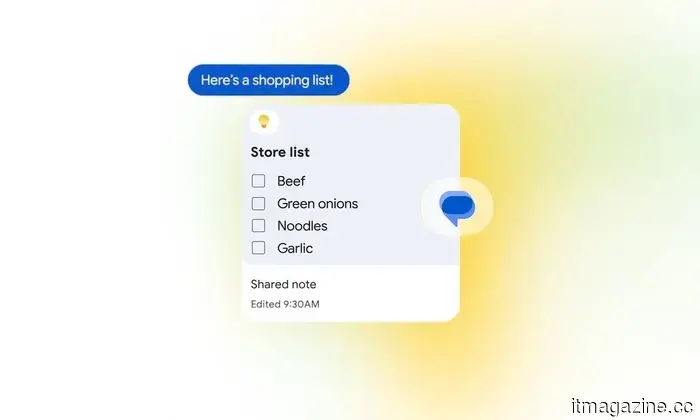 Google Messages now features integration with Google Keep, simplifying the management of group plans.
Google Messages is introducing integration with Google Keep, enabling users to create and modify shared notes and lists without having to exit the conversation.
Google Messages now features integration with Google Keep, simplifying the management of group plans.
Google Messages is introducing integration with Google Keep, enabling users to create and modify shared notes and lists without having to exit the conversation.
China exported 8.32 million vehicles last year, and it now aims to sell them at consistent prices.
China has instructed its automotive manufacturers to set prices based on costs and refrain from making significant cuts in foreign markets. In contrast, Brussels has been working for two years to reach an agreement on a minimum import price.