

Uber reduces its workforce by 10% and terminates operations in Nigeria and Uganda.
Uber is eliminating approximately 3,300 positions, amounting to around 10% of its workforce, and is also ceasing operations in Nigeria and Uganda as it reallocates resources towards robotaxis. An internal memo indicates that all individuals impacted have been informed, except where local procedures must be followed; in the EU, this includes consultation with employee representatives and a requisite 30-day waiting period after notifying authorities.
The announcement of the layoffs highlights structural reasons rather than performance issues. Dara Khosrowshahi’s memo mentions an increase in layers, a need for greater coordination, and fragmented ownership, noting that the changes will reduce the number of managers by 20%. Additionally, micro-teams consisting of one or two members will be cut by half.
A specific line in the memo addresses Europe directly, stating that everyone affected has already been notified, "except in countries where we will follow the required local process." This language serves to clarify legal obligations rather than provide courtesy. According to EU regulations, it is not permissible for an employer to notify individuals before adhering to mandated procedures.
The Collective Redundancies Directive necessitates that employers consult with employee representatives to seek an agreement before making any layoffs. Information must be provided in writing, detailing reasons, timing, the number and categories of affected employees, selection criteria, and how compensation is determined. Additionally, the state must be informed, and redundancies cannot take effect sooner than 30 days after the competent public authority has been notified, allowing time for exploring alternatives.
Thus, Uber’s statement delineates a distinction: outside Europe, it has communicated completion, but within Europe, it must engage in a discussion that can't be viewed as finalized.
The funds released from these layoffs are intended for investment in autonomous technology. Uber has pledged over $10 billion to partnerships focused on robotaxi development and has opened a waitlist in London in collaboration with Wayve, according to TNW. Analysts estimate annual savings between $1.5 billion and $2 billion, though Bloomberg Intelligence warns that increased spending on autonomous vehicles may consume much of these savings in the short term. This action brings the company’s headcount down to just under 30,000, approximately its level from 2021.
Uber’s exit from the African market could benefit a European competitor. Bloomberg identifies Estonia’s Bolt as Uber’s primary rival in Nigeria, noting that it recently raised €220 million in preparation for an IPO. In contrast to Uber, Bolt is maintaining its presence in the region. Since Uber commenced operations in Lagos in 2014, its market share has diminished due to competition from Bolt and newer local entrants.
This signifies the strategic shift Uber is making, trading geographical presence for advancements in autonomy, while TNW has explored the expansion strategy of its competitor that remains.
Other articles
 Acer introduced a gaming handheld that can transform into a compact laptop.
Acer’s Project DualPlay Mini is a concept for an 8-inch gaming handheld that transforms into laptop mode, featuring a backlit keyboard and support for external displays.
Acer introduced a gaming handheld that can transform into a compact laptop.
Acer’s Project DualPlay Mini is a concept for an 8-inch gaming handheld that transforms into laptop mode, featuring a backlit keyboard and support for external displays.
 Circular unveils Ring 3 Pro and Slim at IFA, featuring contactless payment capabilities and haptic feedback alerts.
Circular unveiled its Ring 3 series at IFA, featuring NFC payments and an ECG function. The clearance mentioned is from the FDA, while EU regulations require a separate CE mark.
Circular unveils Ring 3 Pro and Slim at IFA, featuring contactless payment capabilities and haptic feedback alerts.
Circular unveiled its Ring 3 series at IFA, featuring NFC payments and an ECG function. The clearance mentioned is from the FDA, while EU regulations require a separate CE mark.
 Coder introduces Agent Relay powered by SpaceXAI, utilizing Cursor’s cloud agents on the infrastructure of customers.
Coder's Agent Relay operates Cursor's cloud agents on the customer's infrastructure. Cursor continues to handle the inference, meaning that DORA's responsibilities remain in effect.
Coder introduces Agent Relay powered by SpaceXAI, utilizing Cursor’s cloud agents on the infrastructure of customers.
Coder's Agent Relay operates Cursor's cloud agents on the customer's infrastructure. Cursor continues to handle the inference, meaning that DORA's responsibilities remain in effect.
 Avoid the distractions: these 5 Labor Day charging offers are worth checking out.
I reviewed the Labor Day charging sales and discovered five offers from UGREEN, INIU, Energizer, Anker, and Insignia that are worth looking into.
Avoid the distractions: these 5 Labor Day charging offers are worth checking out.
I reviewed the Labor Day charging sales and discovered five offers from UGREEN, INIU, Energizer, Anker, and Insignia that are worth looking into.
 Best Buy is offering significant Labor Day savings on these six appliances.
I went through Best Buy's Labor Day appliance sale and discovered six significant appliance deals to consider, including a $1,200 discount on an LG refrigerator.
Best Buy is offering significant Labor Day savings on these six appliances.
I went through Best Buy's Labor Day appliance sale and discovered six significant appliance deals to consider, including a $1,200 discount on an LG refrigerator.
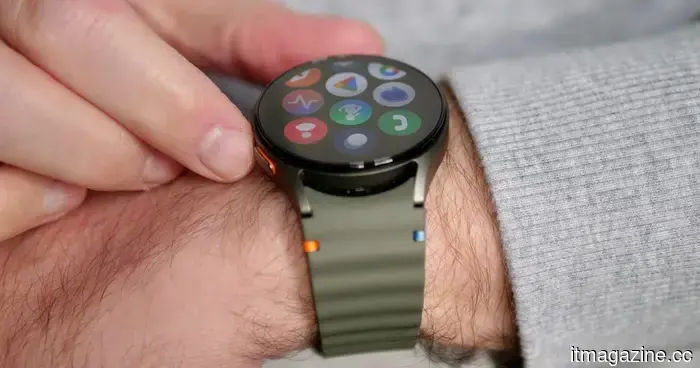 The wearable bargains that are worth grabbing this Labor Day are surprisingly easy to overlook.
I narrowed down the Labor Day smartwatch sales at Amazon and Best Buy to four deals that are truly worth considering.
The wearable bargains that are worth grabbing this Labor Day are surprisingly easy to overlook.
I narrowed down the Labor Day smartwatch sales at Amazon and Best Buy to four deals that are truly worth considering.
Uber reduces its workforce by 10% and terminates operations in Nigeria and Uganda.
Uber is laying off 3,300 employees and withdrawing from Nigeria and Uganda. According to its memo, all individuals have been informed, except in cases where local protocols are in place, specifically referring to Europe.