
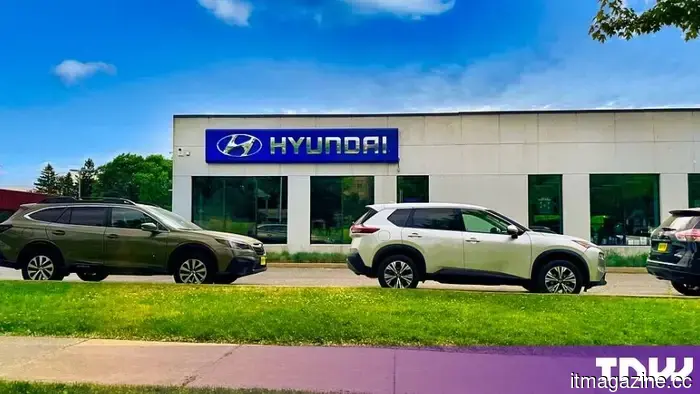
This decade, Hyundai has increased its market share in the US more than any other automaker.
Hyundai Motor Group has seen its share of the US market grow more rapidly than any other major automaker this decade, planning to invest $26 billion by 2028 to produce at least 80% of its American sales domestically. Currently, its European factories make up about 80% of its sales in Europe.
No other automaker has increased its share of the American market this decade like Hyundai, which has surged from 8.4% in 2020 to 11.8% during the first half of this year, with a 50% increase in sales, making it the fourth-largest automaker in the country.
To sustain this growth, the company is committing $26 billion until 2028, with the centerpiece being the $7.6 billion Metaplant in Georgia. CEO José Muñoz stated this facility could expand production from 500,000 vehicles per year to between 700,000 and 800,000 by 2028.
The driving goal behind this investment is to have at least 80% of what it sells in America produced domestically by the end of the decade, up from roughly 40% expected in 2024. While tariffs contribute to this shift—the 15% tax on Korean cars speeds up their localization efforts—Muñoz emphasized that the initiative was already in planning before these tariffs, a strategy also mirrored by Kia.
Muñoz, a Spanish-American dual citizen, marks a significant change as the first non-Korean to lead the company. He told CNBC that his top three priorities are “U-S-A".
In Europe, Hyundai’s facility in Nošovice, Czechia has been producing 350,000 vehicles annually with about 3,200 workers since 2008, reflecting what American consumers are asking for. The İzmit plant in Türkiye adds to this, producing 230,000 units each year, and the two plants combined account for approximately 80% of Hyundai's sales in Europe.
This same 80% figure is the target Hyundai aims to achieve in the United States by 2030, mirroring the operational standard that has been maintained in Europe for years. Furthermore, these plants are not merely temporary solutions; Nošovice operates entirely on renewable electricity and manufactures models like the Kona Electric, Tucson, and i30, while İzmit produces the i10, i20, and Bayon.
However, Europe has yet to see a numerical commitment like the one in the US. Hyundai has announced 41 new or refreshed models for the European market without providing an equivalent investment figure, and there has been no European strategy unveiled for its new Genesis flagship.
Thus, the $26 billion investment does not indicate Hyundai’s newfound dedication to local manufacturing. Instead, it signifies a move to elevate American production to the operational standards that Hyundai has upheld in Europe for nearly two decades, particularly as the company’s focus shifts in that direction.
Other articles
 Lenovo has finally equipped its gaming tablet with the OLED display it required. Now it's time to release it in the U.S.
The updated Legion Y700 Infinite addresses one of the major shortcomings of Lenovo's gaming tablet by featuring a 165Hz OLED display; however, its battery is smaller than that of the existing Legion Tab Gen 5.
Lenovo has finally equipped its gaming tablet with the OLED display it required. Now it's time to release it in the U.S.
The updated Legion Y700 Infinite addresses one of the major shortcomings of Lenovo's gaming tablet by featuring a 165Hz OLED display; however, its battery is smaller than that of the existing Legion Tab Gen 5.
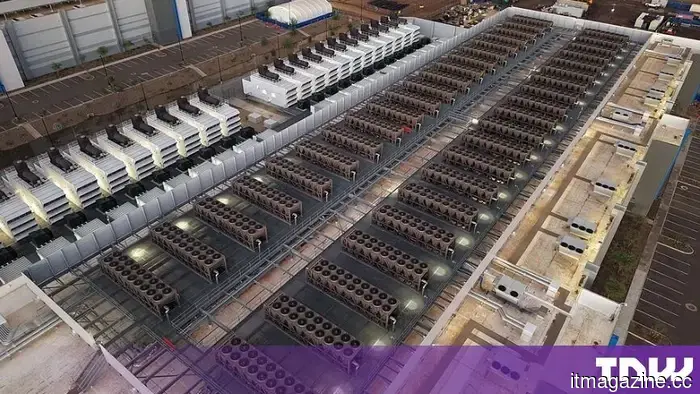 According to Kimmeridge, as many as half of the proposed data centers in the US are experiencing delays or are at risk of cancellation.
Kimmeridge reports that nearly 50% of proposed data centers in the US are likely to experience delays or be canceled, which would reduce the gas demand that its LNG terminal was designed to accommodate.
According to Kimmeridge, as many as half of the proposed data centers in the US are experiencing delays or are at risk of cancellation.
Kimmeridge reports that nearly 50% of proposed data centers in the US are likely to experience delays or be canceled, which would reduce the gas demand that its LNG terminal was designed to accommodate.
 EXCLUSIVE: The director of The Whisper Man and the author discuss the creation of Netflix's unsettling thriller featuring Robert De Niro and Adam Scott.
Director James Ashcroft and author Alex North talk about creating Netflix’s dark crime thriller, collaborating with Robert De Niro and Adam Scott, and the film’s father-son narrative.
EXCLUSIVE: The director of The Whisper Man and the author discuss the creation of Netflix's unsettling thriller featuring Robert De Niro and Adam Scott.
Director James Ashcroft and author Alex North talk about creating Netflix’s dark crime thriller, collaborating with Robert De Niro and Adam Scott, and the film’s father-son narrative.
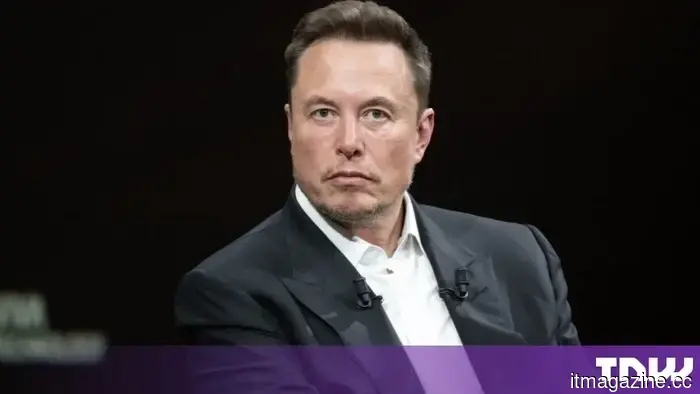 Nitter has gone offline after seven years, following the receipt of cease-and-desist letters.
X Corp requested a permanent removal of Nitter and its repository. The open-source X reader and XCancel have both been taken offline after seven years.
Nitter has gone offline after seven years, following the receipt of cease-and-desist letters.
X Corp requested a permanent removal of Nitter and its repository. The open-source X reader and XCancel have both been taken offline after seven years.
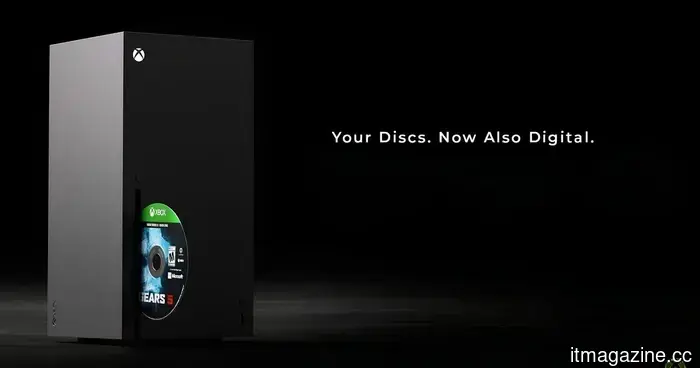 Xbox is providing a digital future for physical game discs.
For many years, the trend in gaming has appeared straightforward: digital formats are on the rise while physical copies are gradually becoming obsolete. However, Microsoft is opting for a different strategy with a new Xbox feature that may provide more flexibility for disc ownership. Xbox has revealed a new feature named “Your Discs. Now Also Digital.” that will […]
Xbox is providing a digital future for physical game discs.
For many years, the trend in gaming has appeared straightforward: digital formats are on the rise while physical copies are gradually becoming obsolete. However, Microsoft is opting for a different strategy with a new Xbox feature that may provide more flexibility for disc ownership. Xbox has revealed a new feature named “Your Discs. Now Also Digital.” that will […]
 Apple has set a September 9 event to unveil new iPhones and other products.
Apple has officially announced the date for its highly awaited September event, where the iPhone 18 Pro and iPhone Ultra may be unveiled.
Apple has set a September 9 event to unveil new iPhones and other products.
Apple has officially announced the date for its highly awaited September event, where the iPhone 18 Pro and iPhone Ultra may be unveiled.
This decade, Hyundai has increased its market share in the US more than any other automaker.
Hyundai aims to increase its domestic sales in the US to 80% by 2030, rising from the current 40%. Its factories in Europe already contribute to approximately 80% of sales in that region.