
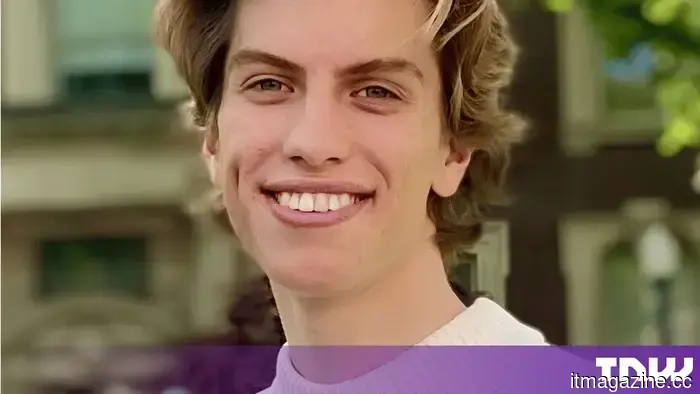
Situational Awareness conducted two auctions simultaneously, and one group of bidders remained unaware.
Situational Awareness experienced a loss of approximately $30 billion in July, as reported by the desk three weeks ago. However, the events that transpired during those six days remain unclear. Gregory Zuckerman, Juliet Chung, and Peter Rudegeair have pieced together the story for the Wall Street Journal, revealing that the sequence of events is more unusual than the figure suggests.
The phone call that revealed the situation
David Mann, head of the Mannsion Group, a family office with investments in Anthropic and other private firms, was in a taxi to LaGuardia on the afternoon of Wednesday, July 29, when he received a call from someone representing Leopold Aschenbrenner’s fund. The call inquired whether he wanted to purchase a share of its Anthropic stake, emphasizing that the deal had to be completed overnight. Mann quickly inferred that something must be amiss, as no one sells pre-IPO shares in a company valued at nearly $1 trillion without a reason. “Aschenbrenner was being forced to sell,” Mann stated to the paper. “He needed the money and was reaching out to others.” John Pfeffer from Pfeffer Capital, an investor in Aschenbrenner’s fund since its inception, described the atmosphere at that time: “It felt like he was being hunted.”
The stake he couldn’t simply divest
The constraints surrounding the situation were significant. Anthropic has approval rights over the transfer of its private shares, preventing Situational Awareness from conducting an open auction; they could only reach out to firms that already possessed Anthropic stock. This limited the potential buyers to only a few options. On Wednesday, the fund contacted Sequoia, Greenoaks, Michael Dell’s family office DFO Management, and the New York firm XN. It offered a 20% discount along with a 12-hour deadline. The Greenoaks team worked through the night, and the deal was set to finalize at eight the next morning, with Anthropic approving the transfer.
The auction that bidders were unaware of
While these negotiations unfolded, Situational Awareness was engaged in discussions for something much larger with Citadel and Millennium Management, but the Anthropic bidders were kept in the dark. A Citadel executive had reached out to Sven Khatri from the fund on July 28. Khatri had recently transitioned from Citadel's treasury research team. Talks transitioned from Citadel purchasing the entire liquid stock portfolio to negotiating for just the leveraged positions, with Ken Griffin joining from London. Citadel managed to secure the deal in the early hours of Thursday, July 30, at a discount of about 10% compared to market prices. Aschenbrenner then returned to the investors who anticipated closing the deal on the Anthropic stake that morning and informed them he had a more favorable offer. Some were reportedly angry, according to the Journal. The signing was completed around 9:10 am—about 20 minutes before U.S. markets opened.
How the market figured it out first
The fund was discovered before it made any official announcements, and the underlying mechanism is crucial to understand. Prime brokers regularly provide clients with reports detailing the overall status of their hedge fund clients’ portfolios. Throughout July, these reports indicated a decline in leverage in tech, signaling to the market that someone significant was encountering difficulties. Competing traders also analyzed Aschenbrenner’s holdings; as his positions fell, they deduced the broader implications. Nebius, Bloom Energy, Sandisk, and Core Scientific saw drops ranging from 9% to 24% over the four days starting July 24. Conversely, stocks he was betting against, such as Adobe, AppLovin, and Figma, experienced rallies during the same period. By Wednesday, the Journal notes, the market openly speculated that a major fund was reducing its positions.
The structural issues at play
The fund expanded from about $1.5 billion in the previous summer to over $45 billion by early July and borrowed roughly $3 for every $1 of its own capital. Its long and short positions aligned, betting on chips and infrastructure to rise while software was expected to decline, reflecting a singular perspective on AI. Traders refer to this as a Texas hedge, which undermines the protective element that a hedge is typically supposed to offer. Goldman Sachs financed the fund from its inception and presented it at an emerging-manager conference in March 2025. They monitored it closely due to its concentrated, leveraged book. Other banks, including JPMorgan, Bank of America, and Citigroup, also extended loans, while Morgan Stanley was in negotiations. Jefferies and Barclays declined to participate. A prime brokerage executive who rejected the fund recounted that Aschenbrenner's unwavering confidence served as a warning sign. Throughout most of its operation, the investment team comprised two analysts, an economist, a research director, and a risk manager. The concentration
Other articles
 Alina Kukarina discusses the importance of initiating AI transformation prior to selecting the technology.
Alina Kukarina contends that AI projects are likely to fail when companies overlook the critical thought process between their ambitions and actual execution, beginning with technology rather than with their intended purpose.
Alina Kukarina discusses the importance of initiating AI transformation prior to selecting the technology.
Alina Kukarina contends that AI projects are likely to fail when companies overlook the critical thought process between their ambitions and actual execution, beginning with technology rather than with their intended purpose.
 Samsung's more affordable Galaxy S26 FE might include a camera feature that I really enjoyed.
Leaked hands-on videos of the Galaxy S26 FE reveal the upcoming phone operating on One UI 9 and seemingly adopting the impressive Horizontal Lock video mode from the S26 series.
Samsung's more affordable Galaxy S26 FE might include a camera feature that I really enjoyed.
Leaked hands-on videos of the Galaxy S26 FE reveal the upcoming phone operating on One UI 9 and seemingly adopting the impressive Horizontal Lock video mode from the S26 series.
 Beyond Venture Capital: The Growing Influence of Family Offices as Key Investors in AI
Family offices are emerging as significant players in AI investment, supporting a wide range of initiatives including advanced models, physical AI, as well as infrastructure and industrial applications.
Beyond Venture Capital: The Growing Influence of Family Offices as Key Investors in AI
Family offices are emerging as significant players in AI investment, supporting a wide range of initiatives including advanced models, physical AI, as well as infrastructure and industrial applications.
 YouTube is increasing view counts, yet creators aren't becoming wealthier.
YouTube will soon consider a public view from the moment a video begins playing for long-form videos, Shorts, and livestreams, resulting in higher visible view counts.
YouTube is increasing view counts, yet creators aren't becoming wealthier.
YouTube will soon consider a public view from the moment a video begins playing for long-form videos, Shorts, and livestreams, resulting in higher visible view counts.
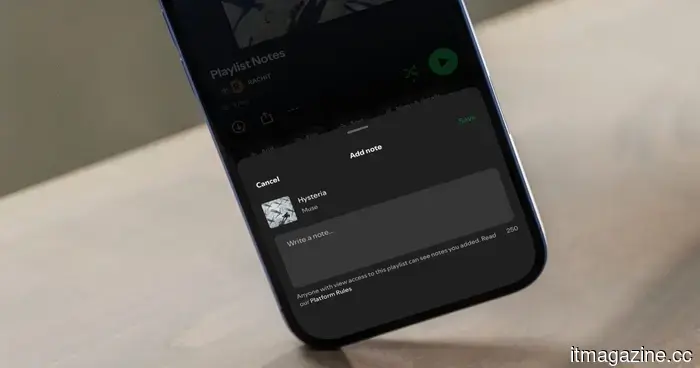 Spotify's Playlist Notes allows for easier addition of context to your favorite selections.
Spotify's latest feature, Playlist Notes, allows both editors and users to share the background of each track directly within the playlist.
Spotify's Playlist Notes allows for easier addition of context to your favorite selections.
Spotify's latest feature, Playlist Notes, allows both editors and users to share the background of each track directly within the playlist.
 Supreme placed its box logo on JBL's small speakers, as plain red was insufficient.
Supreme has transformed JBL’s compact Go 5 speaker with its iconic red design, featuring white branding and controls, while keeping the internal hardware the same.
Supreme placed its box logo on JBL's small speakers, as plain red was insufficient.
Supreme has transformed JBL’s compact Go 5 speaker with its iconic red design, featuring white branding and controls, while keeping the internal hardware the same.
Situational Awareness conducted two auctions simultaneously, and one group of bidders remained unaware.
The Wall Street Journal outlines a timeline of six days at Situational Awareness: a 20% reduction in its Anthropic investment, a 12-hour time constraint, and a concurrent deal with Citadel.