
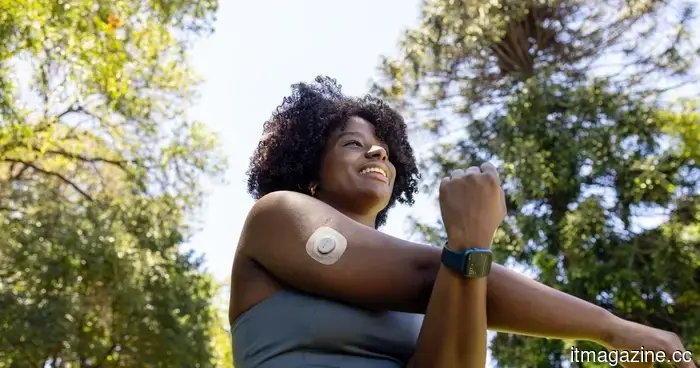
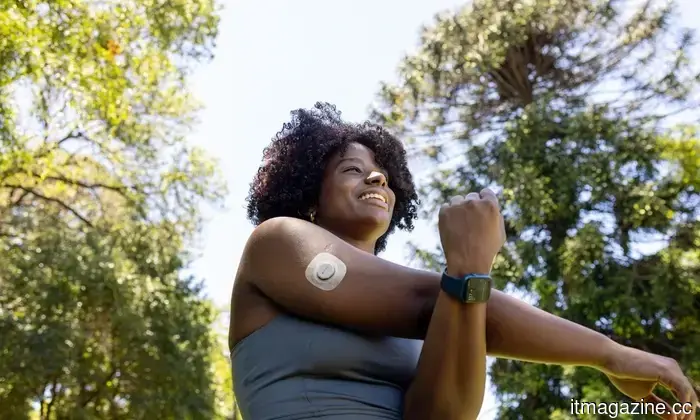
Datamaxxing is the newest trend in AI, and this time, it might actually benefit your health objectives.
Providing fitness data to AI can transform unclear health metrics into insightful discussions, yet relying on it as a healthcare provider presents a different challenge.
Datamaxxing might sound like a wellness trend involving a spreadsheet, a few supplements, and excessive free time. However, the core idea is quite practical. Individuals are inputting data from their wearables into AI chatbots to seek explanations for their metrics. The Wall Street Journal recently highlighted several individuals creating systems centered around this concept.
There is a real opportunity for AI to fulfill this need. A 2026 Nature Communications study indicated that while wearables can generate summaries, they fall short when users seek personalized insights about their specific data. An AI system designed by the researchers achieved 84% accuracy in responding to factual numerical inquiries.
How AI enhances what trackers lack
Your smartwatch can indicate that your sleep quality has declined or your recovery score has dropped, but it often fails to provide explanations that are truly helpful.
AI is capable of making this data conversational. Instead of just looking at graphs, you can inquire how your recent sleep stacks up against previous weeks or if a change corresponds with your training regimen.
Wearable technology companies are already exploring this direction. Oura reports that 60% of users who tried Oura Advisor felt it clarified metrics they did not fully understand. Google Health Coach adopts a similar method by providing personalized advice regarding fitness and sleep.
Datamaxxing is effectively the do-it-yourself version of that experience.
The potential of AI coaching
There is some evidence suggesting these systems can go beyond merely clarifying data trends. A 2025 Nature Medicine study evaluated Google’s Personal Health Large Language Model with 857 sleep and fitness scenarios, showing its fitness responses were comparable to those of human experts, while its tailored sleep insights were better than the base Gemini model.
Nevertheless, this does not equate to a chatbot being a healthcare professional. It indicates that AI can be truly beneficial in identifying patterns within data you’ve already collected rather than dispensing medical recommendations.
Where datamaxxing can go awry
Even specialized systems can create inaccuracies or misinterpret user data. Such errors can become significantly more problematic when discussions shift from fitness coaching to medical advice.
A 2025 clinical case report detailed a 60-year-old man who developed bromism after replacing table salt with sodium bromide for three months. The researchers lacked access to his original ChatGPT interactions, preventing them from verifying what the chatbot communicated to him.
Datamaxxing appears most beneficial when AI aids in analyzing the health data you possess. However, once it begins suggesting diagnoses or treatments, the smartwatch experiment has stepped into a realm better suited for a health professional.
Paulo Vargas is an English major who transitioned to being a reporter and then a technical writer, with a career that has consistently revolved around…
Everything revealed at Made by Google 2026: Pixel 11 series, Pixel Watch 5, and Pixel Tag
From new cameras on the Pixel 11 phones and the “HiLight” feature on the Pro models to offline Gemini on the Pixel Watch 5, here’s an overview of what Google announced today.
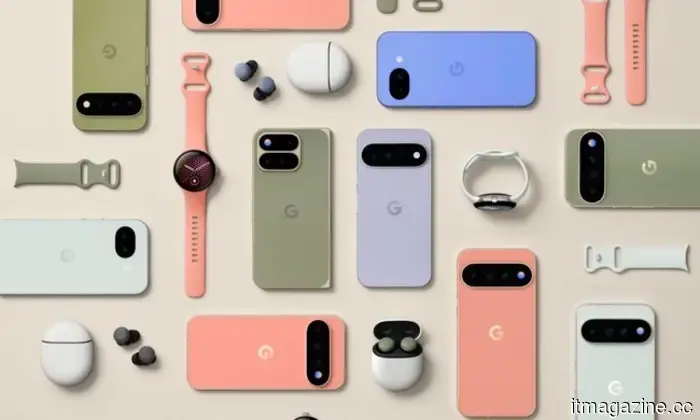
Before the Made by Google event commenced, Google revealed details about its new hardware lineup: four Pixel 11 models, the Pixel Watch 5, its inaugural tracker, refreshed Pixel Buds Pro 2, and a variety of new Gemini-powered software features.
The good news is that all announced items are available for pre-order and will be available in stores starting August 20, 2026. Prices have also risen across the range. Here’s a summary of everything Google disclosed today.
Dell UltraSharp 52 Thunderbolt Hub Monitor review: A workstation in a single display
A colossal 52-inch display, Thunderbolt docking, and thoughtful productivity features make the Dell UltraSharp 52 much more than just another large monitor.
Google’s new Pixel Tag is slimmer than an AirTag and more efficient in locating your belongings
Google didn't simply replicate Apple's model.
I must admit, tile-style trackers often do not impress me, mainly because many merely mimic the AirTag. Google's first attempt in this category deviates from the norm. The Pixel Tag launched today as the thinnest tracker available, featuring a Bluetooth innovation that neither Apple nor Samsung currently provides.



Other articles
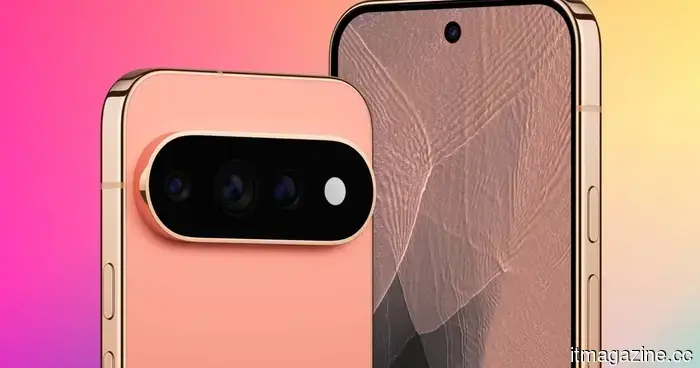 The Pixel 11 finally includes the video enhancements I’ve been anticipating, but not all Pixels receive these updates.
This year, Google equipped the Pixel 11 series with significant video enhancements, including 8K recording and an integrated teleprompter.
The Pixel 11 finally includes the video enhancements I’ve been anticipating, but not all Pixels receive these updates.
This year, Google equipped the Pixel 11 series with significant video enhancements, including 8K recording and an integrated teleprompter.
 Upwork reduces its full-year outlook due to the impact of AI on its marketplace.
Revenue and margins exceeded expectations. Guidance was lowered, active clients decreased by 4%, and the market adjusted for AI disintermediation.
Upwork reduces its full-year outlook due to the impact of AI on its marketplace.
Revenue and margins exceeded expectations. Guidance was lowered, active clients decreased by 4%, and the market adjusted for AI disintermediation.
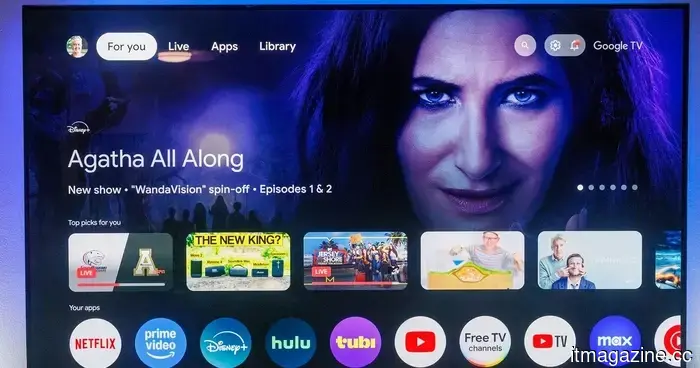 Google TV now offers 10,000 free movies and shows available for you to enjoy.
Google TV Freeplay now provides over 10,000 movies and TV shows available on demand, in addition to its expanding selection of free live channels.
Google TV now offers 10,000 free movies and shows available for you to enjoy.
Google TV Freeplay now provides over 10,000 movies and TV shows available on demand, in addition to its expanding selection of free live channels.
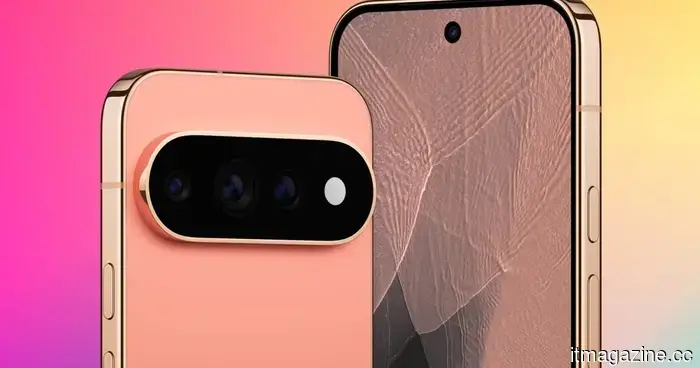 The Pixel 11 finally includes the video enhancements I've been looking forward to, but not all Pixels receive these updates.
This year, Google equipped the Pixel 11 lineup with authentic video enhancements, including 8K recording and an integrated teleprompter.
The Pixel 11 finally includes the video enhancements I've been looking forward to, but not all Pixels receive these updates.
This year, Google equipped the Pixel 11 lineup with authentic video enhancements, including 8K recording and an integrated teleprompter.
 Tencent's expenses for AI computing have surpassed its cash flow, leading to a contingency plan that involves becoming a landlord.
Tencent's capital expenditure increased by 176% to 52.8 billion yuan, and free cash flow became negative. Executives mentioned that the alternative is to rent out the computing resources at cost recovery.
Tencent's expenses for AI computing have surpassed its cash flow, leading to a contingency plan that involves becoming a landlord.
Tencent's capital expenditure increased by 176% to 52.8 billion yuan, and free cash flow became negative. Executives mentioned that the alternative is to rent out the computing resources at cost recovery.
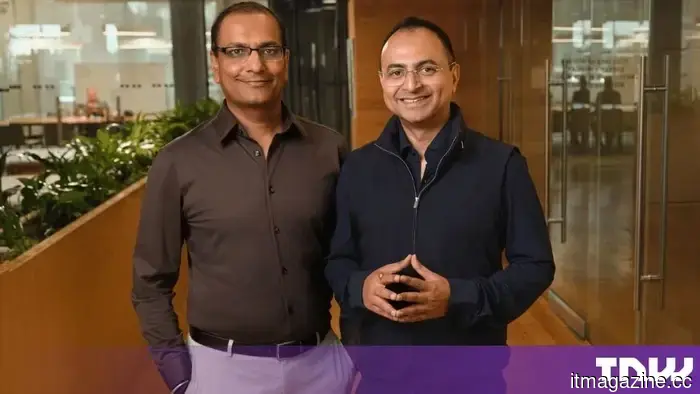 Skan AI has secured $63 million to observe the actual work patterns of office employees and subsequently create agents that mimic their behavior.
Skan AI secured $63 million to document employee screen activities and subsequently create agents that perform the same tasks. Seven out of the ten largest banks in the US are clients.
Skan AI has secured $63 million to observe the actual work patterns of office employees and subsequently create agents that mimic their behavior.
Skan AI secured $63 million to document employee screen activities and subsequently create agents that perform the same tasks. Seven out of the ten largest banks in the US are clients.
Datamaxxing is the newest trend in AI, and this time, it might actually benefit your health objectives.
Datamaxxing provides AI with access to wearable health information, allowing it to clarify patterns that your smartwatch may not fully explain. Studies indicate that the concept holds potential, but offering medical advice is a risky boundary to traverse.