

Anthropic is paying $1.5 billion for pirated books, yet it remains legally permitted to alter purchased copies.
The settlement dealt with unauthorized ebook downloads rather than the illegal scanning of legally purchased physical copies, a clarification that now concerns booksellers.
A federal judge has sanctioned Anthropic’s $1.5 billion settlement related to nearly half a million pirated books. This litigation also safeguarded a more tangible method of processing its AI systems. Anthropic acquired printed books, disassembled them, scanned each page, and subsequently destroyed the original copies.
The legal distinction hinged on the method of acquisition. The settlement applies to books downloaded from LibGen and PiLiMi, while the court ruled that Anthropic's conversion of physical books into private digital files qualified as fair use. Training AI models using legally acquired materials was deemed transformative as well.
Australian secondhand book sellers are now questioning the destinations of their inventory following unusual bulk orders for obscure and decades-old books. There is currently no evidence linking these orders to Anthropic or any other AI firm.
The court's reasoning
Anthropic did not legally acquire the shadow-library copies, exposing it to potential copyright claims. In contrast, the print copies were obtained through standard commercial avenues.
After scanning the books, Anthropic destroyed the physical versions and retained the digital files in its private library. The judge interpreted this as a format replacement rather than creating an additional market copy, as long as the scanned files were not distributed.
This outcome is peculiar; downloading an illegal ebook incurs liability, while purchasing the same book and physically dismantling it may be considered fair use.
Reasons behind the Australian sellers' suspicions
Booksellers noted significant orders via AbeBooks and Biblio for local histories and books that had remained unsold for years. Some shipments came in multiple boxes, and the buyer seemed particularly unconcerned about pricing.
Zoom Books claims to resell and recycle secondhand books through an automated process that manages tens of thousands of copies daily. They deny digitizing them but do not disclose their clientele.
This opacity prevents sellers from ruling out a connection to AI, despite the lack of evidence proving one.
What remains after scanning
A digital file can capture the printed text but may fail to retain annotations, ownership markings, or the provenance of a specific copy.
No rare Australian book has been traced back to an AI scanning initiative. Establishing this link would necessitate a revealed customer, documented shipment, or individually tracked title. Until such evidence emerges, the case illustrates what copyright law allows and how little insight sellers have once a book leaves their inventory.

Other articles
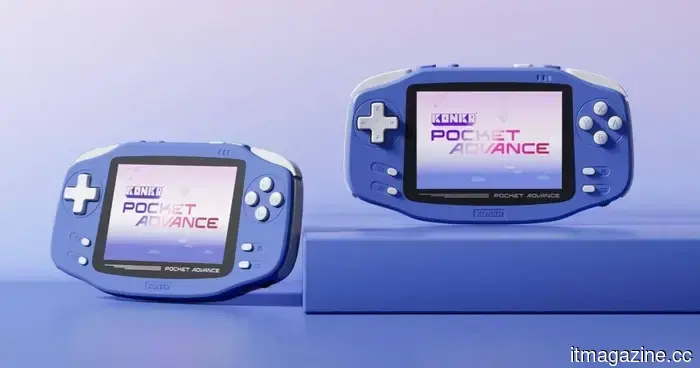 Ayaneo’s latest handheld brings back the essence of the Game Boy Advance. Nintendo likely wishes it had been the one to do it first.
Ayaneo has introduced the Konkr Pocket Advance, a contemporary handheld inspired by the Game Boy Advance, featuring a clearer display, USB-C, wireless connectivity, and enhanced controls.
Ayaneo’s latest handheld brings back the essence of the Game Boy Advance. Nintendo likely wishes it had been the one to do it first.
Ayaneo has introduced the Konkr Pocket Advance, a contemporary handheld inspired by the Game Boy Advance, featuring a clearer display, USB-C, wireless connectivity, and enhanced controls.
 A leak regarding the iPhone Air 2 indicates a reduced size for the Dynamic Island and improved camera features.
A recent report suggests that the iPhone Air 2 will have a smaller Dynamic Island, enhanced cameras, an A20 Pro chip, and Apple's C2 modem.
A leak regarding the iPhone Air 2 indicates a reduced size for the Dynamic Island and improved camera features.
A recent report suggests that the iPhone Air 2 will have a smaller Dynamic Island, enhanced cameras, an A20 Pro chip, and Apple's C2 modem.
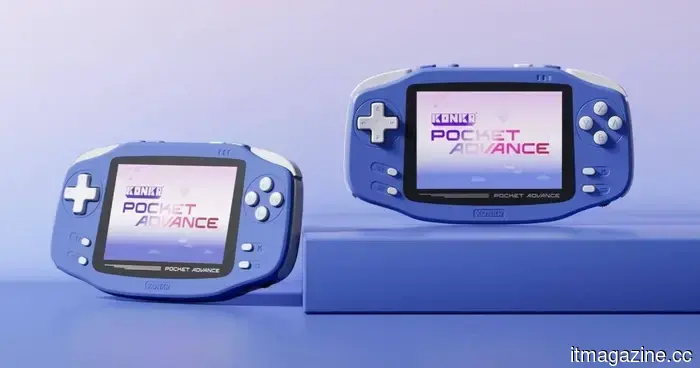 Ayaneo’s latest handheld brings back the Game Boy Advance. Nintendo likely wishes it had been the first to create it.
Ayaneo has introduced the Konkr Pocket Advance, a contemporary handheld inspired by the Game Boy Advance, featuring a clearer display, USB-C, wireless connectivity, and improved controls.
Ayaneo’s latest handheld brings back the Game Boy Advance. Nintendo likely wishes it had been the first to create it.
Ayaneo has introduced the Konkr Pocket Advance, a contemporary handheld inspired by the Game Boy Advance, featuring a clearer display, USB-C, wireless connectivity, and improved controls.
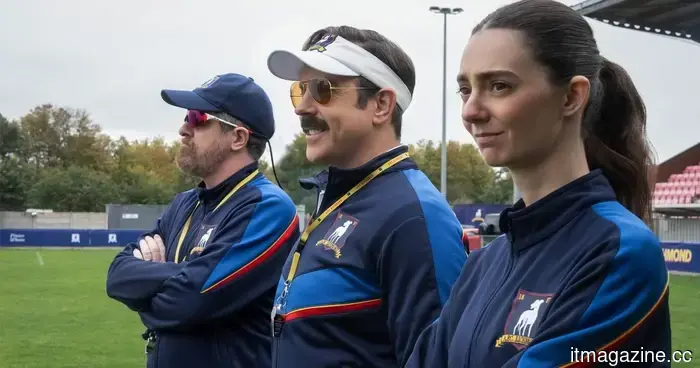 Season 4 of Ted Lasso is approaching with two significant updates.
Ted Lasso is back on August 4 with a new women's team, new cast members, and creative updates intended to refresh Apple's popular comedy.
Season 4 of Ted Lasso is approaching with two significant updates.
Ted Lasso is back on August 4 with a new women's team, new cast members, and creative updates intended to refresh Apple's popular comedy.
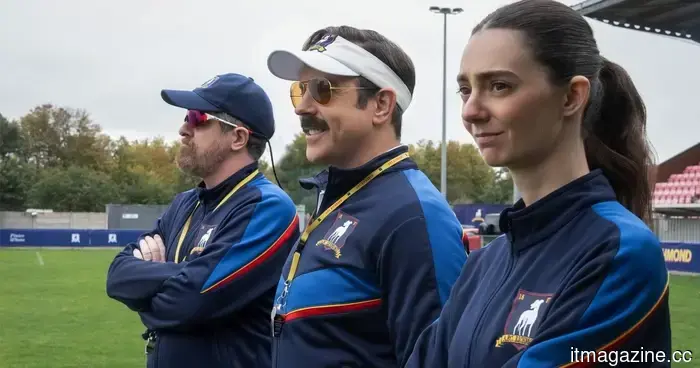 Season 4 of Ted Lasso is on the way, featuring two significant changes.
Ted Lasso is back on August 4 with a new women's team, additional cast members, and creative updates designed to refresh Apple's popular comedy.
Season 4 of Ted Lasso is on the way, featuring two significant changes.
Ted Lasso is back on August 4 with a new women's team, additional cast members, and creative updates designed to refresh Apple's popular comedy.
Anthropic is paying $1.5 billion for pirated books, yet it remains legally permitted to alter purchased copies.
Anthropic's $1.5 billion settlement addresses pirated ebooks, while the court has also permitted the company to scan and dispose of legally purchased print books. This distinction has raised concerns among Australian secondhand sellers regarding the fate of their inventory.