
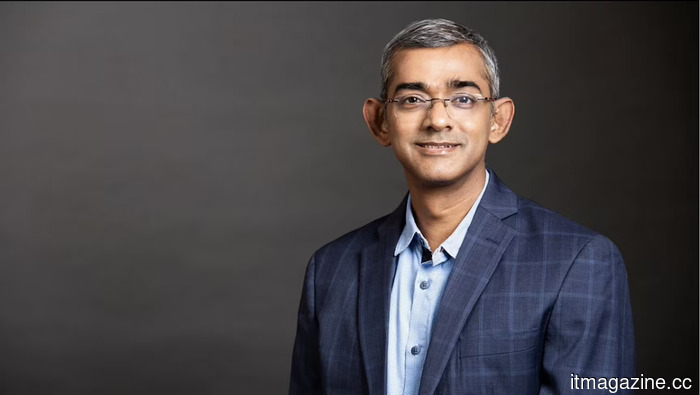
Indian authorities have initiated an investigation against Meta's head in India concerning manipulated videos of Modi.
Hyderabad's cybercrime police have lodged a report against Meta India head Arun Srinivas concerning AI-altered videos of Prime Minister Narendra Modi, intensifying the existing tensions between the government and the platform. Authorities have opened a criminal case against Meta’s India chief related to the manipulated videos of Modi that circulated on Facebook and Instagram, heightening ongoing discord between the government and the company.
The first information report, filed on July 31, names Arun Srinivas and follows weeks after New Delhi summoned Meta regarding the content on its apps. The complaint focuses on altered media, with two Instagram users informing the city's cybercrime police that they encountered numerous digitally modified videos and images of Modi, which they labeled as misleading, derogatory, and obscene.
These videos were politically charged, emerging after a student protest at Delhi's Jantar Mantar organized by a group calling itself the Cockroach Janta Party, amid a wave of unrest impacting the government. The police are exploring serious charges and potential violations under the Bharatiya Nyaya Sanhita, India’s new criminal code, and the Information Technology Act.
The case remains in its early stages, with the report indicating that the investigation is preliminary and no conclusions have been reached yet. However, the act of naming a senior executive in an FIR marks a notable step. In response, Meta has sought to reassure the government, stating it would enhance oversight of prominent accounts, mandating that at least two senior staff members review posts before any action is taken, an effort aimed at defusing tensions.
The friction did not begin here; the Indian IT ministry recently summoned Meta executives for an explanation “at the highest level” after a Modi post was briefly restricted, an incident the company attributed to an inadvertent block. The regulations were developed with companies like Meta in mind, with India’s content-policing framework targeted at major platforms, leading the government to take a firmer stance on how they manage material concerning the prime minister.
The recent student protests have raised the stakes, leading to the resignation of an education minister and prompting Modi’s first public remark on the unrest, making any content related to his image politically sensitive. India is a vast and crucial market for Meta, ranking among the company’s largest user bases, which affords New Delhi significant leverage and makes the company cautious about appearing to oppose authorities.
The potential legal implications are significant but unpredictable. Reports against technology executives in India often serve as pressure tactics and may not necessarily result in charges, yet they carry the risk of summonses, travel restrictions, and extended scrutiny. There is a precedent for this approach; Indian authorities have previously initiated cases and summoned executives from platforms like X over content discrepancies, utilizing individual liability to exert influence over foreign-based companies.
Deepfakes have emerged as a contentious policy issue, with India grappling for years on how to regulate synthetic media, at times blurring the division between deepfakes and conventional fake news. The regulatory framework is still evolving, with the nation establishing an expanding system to monitor social media and streaming platforms, where manipulated political content finds itself caught between free speech and defamation.
For Meta, this situation creates a familiar dilemma, as it navigates the tension between users sharing protected, albeit critical, political content and a government that views defamatory content about Modi as a matter of law and order. The company's decision-making is precarious, as excessive removal of content risks accusations of censorship, while insufficient action could lead to cases like the present one, leaving little opportunity to appease both parties simultaneously.
The outcome will be closely observed. Whether the Hyderabad case progresses or dwindles, it indicates India's readiness to resort to criminal law, particularly against named executives, when seeking to hold platforms accountable for content related to its leader.
Other articles
 A German court has ruled that the AI music generator Suno violated copyright, marking a first for Europe.
The Munich Regional Court has determined that Suno used GEMA-represented songs for training without authorization and replicated them, marking one of Europe's initial binding rulings regarding AI-generated music.
A German court has delivered a verdict stating that Suno, a prominent entity in the global...
A German court has ruled that the AI music generator Suno violated copyright, marking a first for Europe.
The Munich Regional Court has determined that Suno used GEMA-represented songs for training without authorization and replicated them, marking one of Europe's initial binding rulings regarding AI-generated music.
A German court has delivered a verdict stating that Suno, a prominent entity in the global...
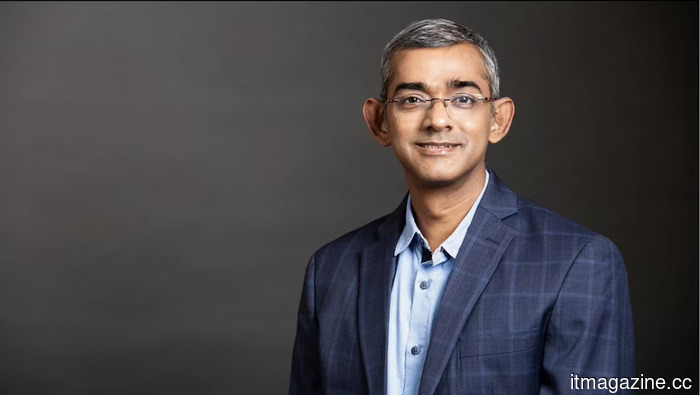 Indian authorities have initiated a case against the head of Meta in India concerning modified videos of Modi.
The cybercrime police of Hyderabad have registered a case against Arun Srinivas, the head of Meta India, concerning AI-modified videos of Prime Minister Modi, heightening tensions between the government and the company.
Indian authorities have initiated a case against the head of Meta in India concerning modified videos of Modi.
The cybercrime police of Hyderabad have registered a case against Arun Srinivas, the head of Meta India, concerning AI-modified videos of Prime Minister Modi, heightening tensions between the government and the company.
 Amazon rises as AWS growth alleviates concerns regarding its AI expenditures.
Amazon's stock surged over 12% following its cloud unit reporting its quickest growth in more than four years, alleviating concerns among investors regarding the company's rising AI expenditures outpacing its returns. Amazon Web Services experienced a growth rate of 37% in the
Amazon rises as AWS growth alleviates concerns regarding its AI expenditures.
Amazon's stock surged over 12% following its cloud unit reporting its quickest growth in more than four years, alleviating concerns among investors regarding the company's rising AI expenditures outpacing its returns. Amazon Web Services experienced a growth rate of 37% in the
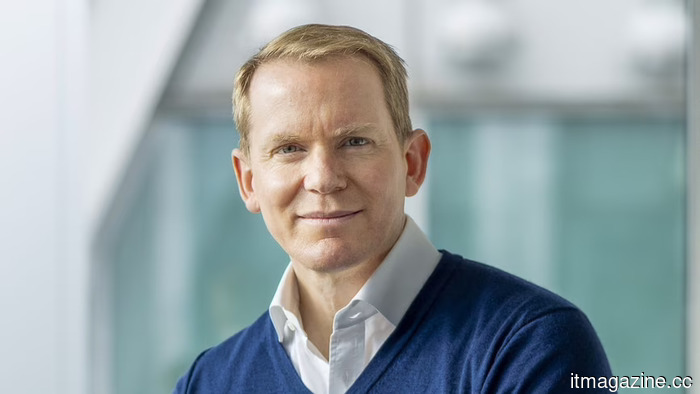 Lloyds Bank places its confidence in AI to reduce costs by £2 billion by 2030 as profits surge.
Lloyds Banking Group is placing its bets on artificial intelligence to reduce its costs by £2 billion by 2030, marking the most definitive indication that the largest high-street bank in Britain views automation as a vital component of its future. This goal was revealed along with hal...
Lloyds Bank places its confidence in AI to reduce costs by £2 billion by 2030 as profits surge.
Lloyds Banking Group is placing its bets on artificial intelligence to reduce its costs by £2 billion by 2030, marking the most definitive indication that the largest high-street bank in Britain views automation as a vital component of its future. This goal was revealed along with hal...
 The majority of Australian teenagers continue to use social media three months after the ban for those under 16.
A recent study by the eSafety Commissioner shows that the majority of Australian teenagers continue to use social media three months after the implementation of the country's first-ever ban on users under 16, which challenges one of the government's main online initiatives.
The majority of Australian teenagers continue to use social media three months after the ban for those under 16.
A recent study by the eSafety Commissioner shows that the majority of Australian teenagers continue to use social media three months after the implementation of the country's first-ever ban on users under 16, which challenges one of the government's main online initiatives.
 OnePlus has officially hinted at gaming-oriented enhancements for the OnePlus 16.
OnePlus has begun to tease the OnePlus 16 in anticipation of its expected launch in October, emphasizing three enhancements geared towards gaming.
OnePlus has officially hinted at gaming-oriented enhancements for the OnePlus 16.
OnePlus has begun to tease the OnePlus 16 in anticipation of its expected launch in October, emphasizing three enhancements geared towards gaming.
Indian authorities have initiated an investigation against Meta's head in India concerning manipulated videos of Modi.
The cybercrime police in Hyderabad have registered a case against Arun Srinivas, the chief of Meta India, concerning AI-modified videos of Prime Minister Modi, intensifying tensions between the government and the platform.