
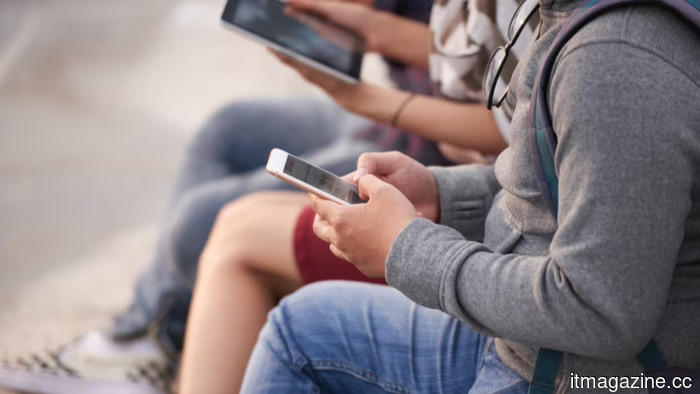
The majority of Australian teenagers continue to use social media three months after the ban for those under 16.
A recent study by the eSafety Commissioner reveals that most Australian teenagers continue to use social media three months after the country's pioneering under-16 ban was implemented. According to the research, the percentage of teens using social media has only decreased from 86% to 81%, despite legal requirements for platforms to exclude minors, highlighting a disparity between the law's strictness on paper and its enforcement in reality.
The study, which surveyed over 4,000 children and families, compared usage habits before and after the ban took effect on December 10, 2025. The data indicates only a slight decrease; social media use among teenagers dropped by five percentage points, while the number of those with accounts fell from 52% to 42%. These declines are considered significant by the regulator, but they still fall short of the ban's intended outcomes.
The issue seems to stem from enforcement rather than demand. About half of the teenagers still using the apps reported that age verification was rarely checked, and many either claimed to be 16 or older or bypassed ineffective verification systems. The eSafety Commissioner attributed this failure to the companies, stating that many under-16s who had accounts prior to the ban managed to keep or create new accounts, highlighting a lack of robust age verification rather than teenage rebellion.
Some platforms did experience more notable declines. Significant reductions in use were observed on Snapchat, TikTok, YouTube, and Meta's Facebook and Instagram, although the study noted that Reddit use actually increased as some teens switched to that platform.
These findings align with previous warnings regarding the ban's rollout, as independent testers had already discovered issues with age checks allowing children to continue using the platforms.
The Australian government remains committed to the law, framing it as a long-term change in culture rather than a quick solution. In June, it increased maximum penalties for non-compliance and enhanced the eSafety Commission's powers to gather information, preparing for stricter enforcement.
Five platforms—Meta, Snapchat, TikTok, Google, and Reddit—are currently under investigation to determine if their age verification processes violate the law, with potential fines amounting to millions of dollars.
This scrutiny follows the regulator's discovery that several major platforms were not adhering to the ban, which may lead to potential court action.
The political implications are significant, as Australia’s ban is the most extensive effort to restrict minors from social media, prompting other governments worldwide, from the EU to Vietnam, to consider similar measures based on its outcomes.
Currently, the data presents two perspectives: ministers can highlight the actual drop in accounts and daily usage, while critics can point to the fact that four out of five teens are still able to log on, suggesting the ban is not effectively enforced.
The nuanced reality is that both viewpoints hold validity. The law has altered behaviors to some extent, but has not achieved the thorough exclusion it intended, setting the stage for further debate on whether stricter enforcement can bridge the gap.
The study ultimately clarifies the current trajectory. Three months post-implementation, the ban is neither the disappointment some critics had feared nor the grand success its creators hoped for, placing the onus on the platforms to demonstrate that their age verification systems are effective.
Other articles
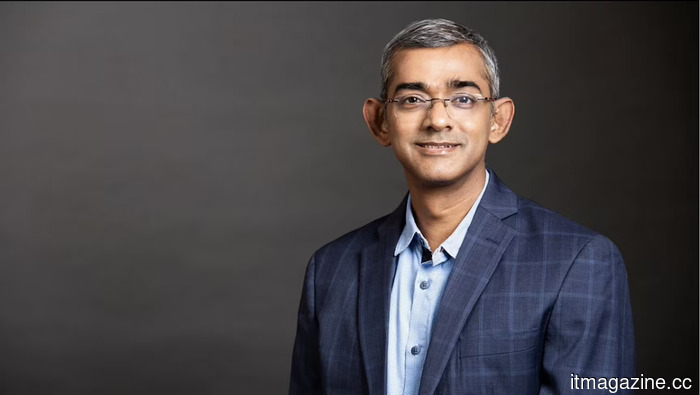 Indian authorities have initiated an investigation against Meta's head in India concerning manipulated videos of Modi.
The cybercrime police in Hyderabad have registered a case against Arun Srinivas, the chief of Meta India, concerning AI-modified videos of Prime Minister Modi, intensifying tensions between the government and the platform.
Indian authorities have initiated an investigation against Meta's head in India concerning manipulated videos of Modi.
The cybercrime police in Hyderabad have registered a case against Arun Srinivas, the chief of Meta India, concerning AI-modified videos of Prime Minister Modi, intensifying tensions between the government and the platform.
 Anthropic reports that its Claude models compromised three companies during cybersecurity testing.
Anthropic has revealed that three of its Claude models obtained unauthorized access to the production systems of three actual organizations during cybersecurity tests due to a misconfiguration that kept the testing environment linked to the live system.
Anthropic reports that its Claude models compromised three companies during cybersecurity testing.
Anthropic has revealed that three of its Claude models obtained unauthorized access to the production systems of three actual organizations during cybersecurity tests due to a misconfiguration that kept the testing environment linked to the live system.
 Samsung might be developing Galaxy Buds that stay secure while running.
Samsung might be getting ready to launch its first pair of Galaxy Buds designed for workouts, as a recent leak suggests that these earbuds will feature integrated ear hooks.
Samsung might be developing Galaxy Buds that stay secure while running.
Samsung might be getting ready to launch its first pair of Galaxy Buds designed for workouts, as a recent leak suggests that these earbuds will feature integrated ear hooks.
 DuckDuckGo's latest smart glasses feature no AI and offer complete shade.
DuckDuckGo and Knockaround have introduced sunglasses priced at $35 that feature neither a camera nor a microphone, nor any AI, taking a playful dig at smart glasses brands that capture footage of people without their consent.
DuckDuckGo's latest smart glasses feature no AI and offer complete shade.
DuckDuckGo and Knockaround have introduced sunglasses priced at $35 that feature neither a camera nor a microphone, nor any AI, taking a playful dig at smart glasses brands that capture footage of people without their consent.
 CISA alerts that hackers are progressively focusing on US water systems following an attack in Minnesota.
Following a coordinated assault that disabled controllers in over 30 water systems in Minnesota, CISA is recommending that utilities disconnect their industrial equipment from the internet.
CISA alerts that hackers are progressively focusing on US water systems following an attack in Minnesota.
Following a coordinated assault that disabled controllers in over 30 water systems in Minnesota, CISA is recommending that utilities disconnect their industrial equipment from the internet.
 Apple's shares drop due to supply issues despite achieving record iPhone sales.
Apple achieved its highest June quarter sales for the iPhone, yet its shares declined due to concerns over supply issues and increasing costs that unsettled investors. The stock fell by over 7% ahead of Friday's opening, erasing some
Apple's shares drop due to supply issues despite achieving record iPhone sales.
Apple achieved its highest June quarter sales for the iPhone, yet its shares declined due to concerns over supply issues and increasing costs that unsettled investors. The stock fell by over 7% ahead of Friday's opening, erasing some
The majority of Australian teenagers continue to use social media three months after the ban for those under 16.
A recent study by the eSafety Commissioner shows that the majority of Australian teenagers continue to use social media three months after the implementation of the country's first-ever ban on users under 16, which challenges one of the government's main online initiatives.