
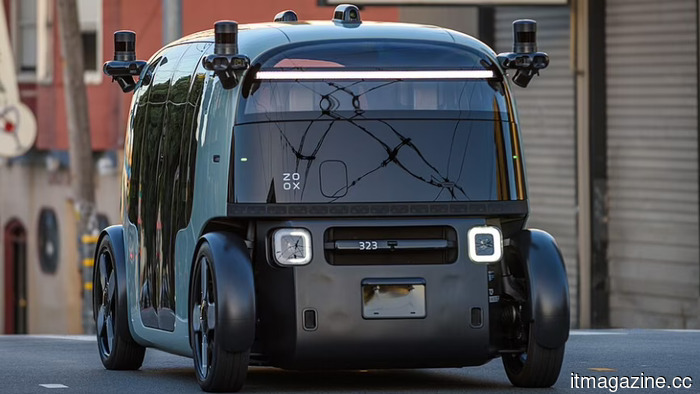
Zoox receives initial US authorization to charge for rides in its no-wheel robotaxis.
Amazon's Zoox has become the first company authorized to charge for rides in a robotaxi that lacks a steering wheel and pedals. This exemption was granted by US regulators on Wednesday, marking a significant milestone for the driverless-car sector.
The approval was issued by the National Highway Traffic Safety Administration (NHTSA) and reported initially by Reuters. It allows Zoox to operate a paid service using vehicles specifically designed as robotaxis, rather than modified existing cars. The electric pod has a carriage design, accommodates four passengers facing inward, and reaches a maximum speed of 75 mph.
Understanding the exemption
Federal regulations typically include provisions for human drivers with steering wheels, pedals, and mirrors. Since Zoox's vehicle does not have any of these components, the NHTSA waived eight regulations meant for human-operated vehicles to permit the pod to be roadworthy.
Previously, Zoox offered free rides in select areas of Las Vegas and San Francisco. With the new exemption—subject to approval from state and local authorities—the company announced to TechCrunch that it will begin charging in Las Vegas.
There are restrictions in place. Zoox is still prohibited from selling the vehicles directly to consumers and is limited to a maximum of 2,500 cars per year for a duration of two years. Aicha Evans, the company's CEO, described this as “the first-ever commercial exemption for a purpose-built robotaxi.”
Conditions attached
The approval comes with stipulations. The NHTSA is instituting reporting requirements for accidents and improper halting on roads. Remote operators must operate from within the US, and Zoox is required to publish maps showing the areas where its vehicles can operate.
The regulatory body retains the authority to revoke the exemption should significant safety concerns arise, as noted by NHTSA administrator Jonathan Morrison.
The caution is particularly relevant; this month, the agency urged the industry to rectify a “clear pattern” of driverless cars disrupting police and emergency services. Robotaxis have been observed behaving improperly on public roads, such as driving around stationary school buses and stalling at flooded intersections. Furthermore, Zoox recalled its fleet of 105 vehicles in July due to software that could overlook heavy smoke conditions.
Position among competitors
This milestone is significant when compared to competitors. Alphabet's Waymo is the leader in US robotaxis, but it modifies standard vehicles for its services. Meanwhile, Tesla is working on a Cybercab that will also have no controls but has yet to disclose a strategy for regulatory approval.
Zoox stands out as the first to conquer the federal obstacle for a purpose-built vehicle. The NHTSA aims to establish the first federal safety standards for self-driving vehicles by the conclusion of the Trump administration and is allocating $5 million for a three-year project toward a unified national regulation. For the time being, Zoox is allowed to charge, albeit under close supervision.
Other articles
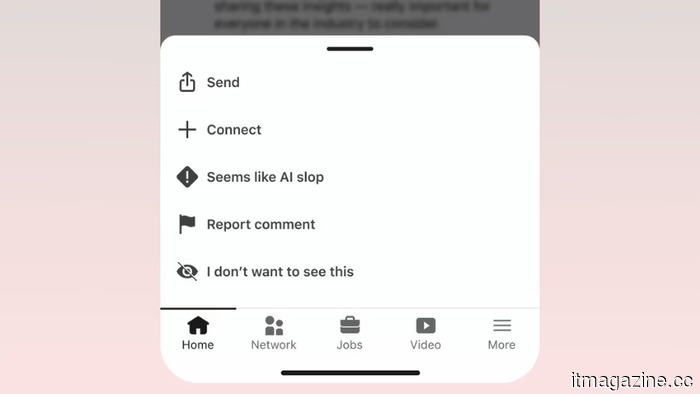 LinkedIn introduces a button labeled 'Seems like AI slop'.
LinkedIn has introduced a button labeled “Seems like AI slop” to identify posts generated by machines. This comes after their May initiative to address the issue and a report indicating that 41% of long-form posts are created by AI.
LinkedIn introduces a button labeled 'Seems like AI slop'.
LinkedIn has introduced a button labeled “Seems like AI slop” to identify posts generated by machines. This comes after their May initiative to address the issue and a report indicating that 41% of long-form posts are created by AI.
 Aschenbrenner's Situational Awareness fund is sold to Citadel.
Aschenbrenner’s AI hedge fund Situational Awareness disposed of its publicly traded stocks to Citadel following the failure of its leveraged AI investments. However, it retains its stake in Anthropic.
Aschenbrenner's Situational Awareness fund is sold to Citadel.
Aschenbrenner’s AI hedge fund Situational Awareness disposed of its publicly traded stocks to Citadel following the failure of its leveraged AI investments. However, it retains its stake in Anthropic.
 Winamp is collaborating with Deezer to introduce streaming capabilities to its legendary music player.
Winamp is collaborating with Deezer to integrate music streaming into its next-generation player, which is set to launch in the first half of 2027, while preserving local libraries, podcasts, and radio features.
Winamp is collaborating with Deezer to introduce streaming capabilities to its legendary music player.
Winamp is collaborating with Deezer to integrate music streaming into its next-generation player, which is set to launch in the first half of 2027, while preserving local libraries, podcasts, and radio features.
 The Minibook X demonstrates that compact laptops can be both affordable and still filled with joy.
Chuwi has introduced the MiniBook X, a 10.51-inch Windows laptop featuring 16GB of RAM, interchangeable storage, and a 360-degree hinge.
The Minibook X demonstrates that compact laptops can be both affordable and still filled with joy.
Chuwi has introduced the MiniBook X, a 10.51-inch Windows laptop featuring 16GB of RAM, interchangeable storage, and a 360-degree hinge.
 ByteDance leads China's AI earnings with $4 billion, integrating Lark into Doubao.
ByteDance currently generates approximately $4 billion annually from AI, the highest figure disclosed by any Chinese company, and is integrating its Lark app into Doubao along with its cloud division.
ByteDance leads China's AI earnings with $4 billion, integrating Lark into Doubao.
ByteDance currently generates approximately $4 billion annually from AI, the highest figure disclosed by any Chinese company, and is integrating its Lark app into Doubao along with its cloud division.
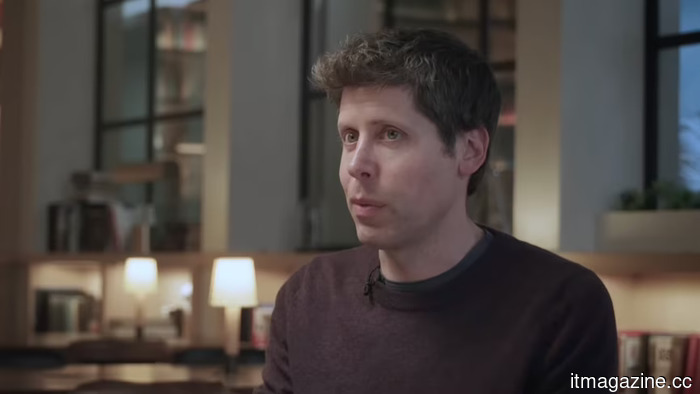 Sam Altman's often overlooked concern about AI: the risk that we might cease to think independently.
Sam Altman refers to "cognitive atrophy" as a commonly overlooked risk associated with AI, aligning with warnings from researchers who suggest that allowing AI to make decisions for us may diminish our mental capabilities.
Sam Altman's often overlooked concern about AI: the risk that we might cease to think independently.
Sam Altman refers to "cognitive atrophy" as a commonly overlooked risk associated with AI, aligning with warnings from researchers who suggest that allowing AI to make decisions for us may diminish our mental capabilities.
Zoox receives initial US authorization to charge for rides in its no-wheel robotaxis.
Amazon’s Zoox has secured the first U.S. exemption to offer paid rides in a specially designed robotaxi that lacks a steering wheel, with a limit of 2,500 vehicles per year.