
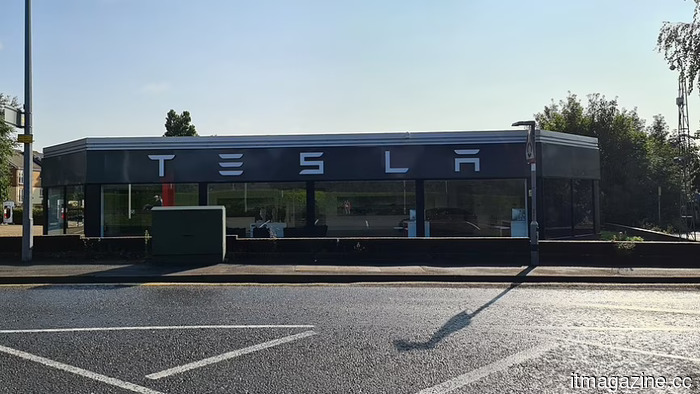
The National Transportation Safety Board (NTSB) has determined that the driver who collided with a Texas residence while driving a Tesla at 70 mph had fully depressed the accelerator.
TL;DR: The NTSB concluded that a driver, not Full Self-Driving (FSD), was responsible for a fatal crash involving a Tesla in Texas, as he fully pressed the accelerator on a residential street. The incident occurred when the Tesla Model 3 was traveling over 70 mph in a 30 mph zone, leading to a collision with a home that resulted in the death of 76-year-old Martha Avila. The driver, Michael Butler, claimed he passed out while using the driver-assistance system, but his search history revealed inquiries about FSD's performance, which raised concerns about his use of the technology. Butler faces manslaughter charges, and Avila's family has filed a wrongful-death suit against him and Tesla.
While the findings exonerate Tesla’s FSD software in this case, they do not address the ongoing scrutiny of the technology. The NHTSA has heightened its investigation into FSD to an engineering analysis stage, examining over three million vehicles after incidents where the system failed to recognize poor visibility conditions. There have been 46 special investigations into Tesla's self-driving technology, with fatal cases documented.
This situation highlights a persistent issue with FSD Supervised, where drivers can override the system by pressing the accelerator—a factor complicated by Tesla’s marketing blurring lines between driver assistance and full autonomy. Following regulatory concerns, Tesla renamed the feature from “Full Self-Driving” to “Full Self-Driving (Supervised)”. The company is facing a class-action lawsuit regarding its FSD advertising from 2016 to 2024.
The NTSB findings coincide with assertions from Tesla’s AI software head, Ashok Elluswamy, that data indicated the driver manually accelerated fully. Tesla claims a lower incidence of major crashes per mile under FSD, yet its robotaxi fleet has experienced crashes at a rate four times higher than the average of human drivers. Additionally, the NHTSA is investigating 58 incidents of Teslas allegedly breaking traffic laws while using self-driving tech, resulting in multiple crashes and injuries.
The timing poses challenges for Tesla as Elon Musk plans to transition many Teslas to fully autonomous vehicles and has begun marketing Cybercabs without traditional controls. Upcoming second-quarter earnings reports are anticipated to show a sixth straight quarter of stagnant or declining profits, with Tesla's stock trading at a high multiple compared to the S&P 500 average, reflecting more on investor optimism about future autonomous driving rather than current performance.
Published July 16, 2026 - 8:18 pm UTC
Other articles
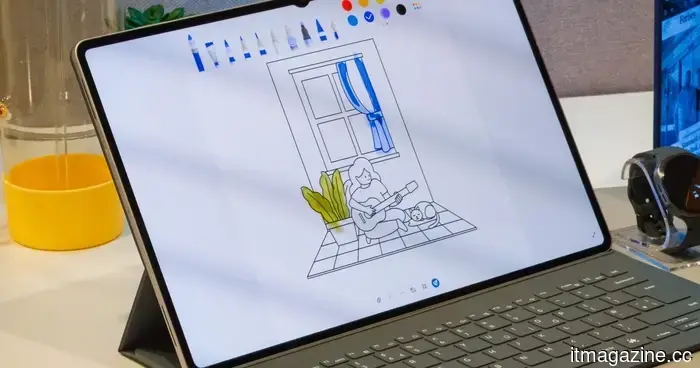 Samsung's upcoming competitor to the iPad Pro has just been revealed, showcasing a quicker chip and a persistent notch.
Samsung's Galaxy Tab S12 Ultra looks virtually identical on the outside, with the upgrade mainly relying on a quicker MediaTek processor and updated software.
Samsung's upcoming competitor to the iPad Pro has just been revealed, showcasing a quicker chip and a persistent notch.
Samsung's Galaxy Tab S12 Ultra looks virtually identical on the outside, with the upgrade mainly relying on a quicker MediaTek processor and updated software.
 This intelligent knitted material can operate switches, track your steps, and even alter its shape.
Researchers at Harvard developed a programmable knitted fabric that can alter its shape, function as electronic switches, and has the potential to power the next wave of wearable technology.
This intelligent knitted material can operate switches, track your steps, and even alter its shape.
Researchers at Harvard developed a programmable knitted fabric that can alter its shape, function as electronic switches, and has the potential to power the next wave of wearable technology.
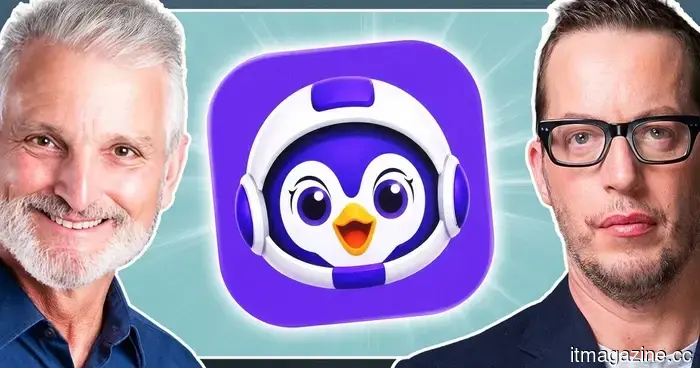 WarpSpeed Aims to Be the AI Assistant That Effectively Organizes Your Life
The majority of AI tools are designed to respond to queries or create content. WarpSpeed is adopting a unique strategy by integrating email, calendars, tasks, and messaging into a single AI-driven workspace. In a discussion with founder Martin Warner, we delve into the idea that the future of AI could focus less on chatbots and more on assisting individuals in managing their daily activities.
Verizon eliminates 3,000 retail positions as artificial intelligence takes over customer service functions and stores transition to franchising.
Verizon plans to cut approximately 3,000 store positions and shift 274 corporate-owned stores to independent operators as CEO Dan Schulman advances the use of AI.
WarpSpeed Aims to Be the AI Assistant That Effectively Organizes Your Life
The majority of AI tools are designed to respond to queries or create content. WarpSpeed is adopting a unique strategy by integrating email, calendars, tasks, and messaging into a single AI-driven workspace. In a discussion with founder Martin Warner, we delve into the idea that the future of AI could focus less on chatbots and more on assisting individuals in managing their daily activities.
Verizon eliminates 3,000 retail positions as artificial intelligence takes over customer service functions and stores transition to franchising.
Verizon plans to cut approximately 3,000 store positions and shift 274 corporate-owned stores to independent operators as CEO Dan Schulman advances the use of AI.
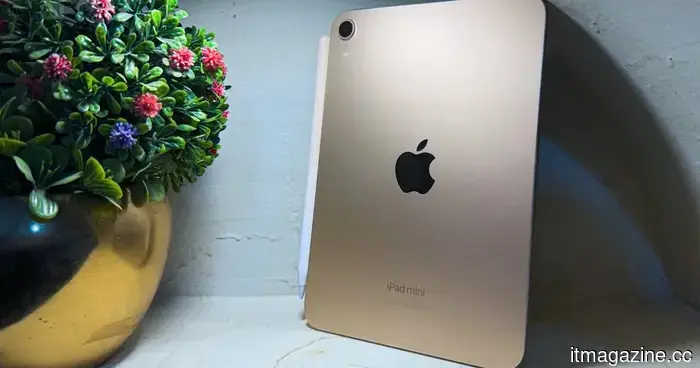 Apple is said to be updating its complete iPad lineup, with the first new model expected to arrive this fall.
Reports indicate that Apple is gearing up for a major overhaul of its iPad range, with the initial new model expected to launch this fall.
Apple is said to be updating its complete iPad lineup, with the first new model expected to arrive this fall.
Reports indicate that Apple is gearing up for a major overhaul of its iPad range, with the initial new model expected to launch this fall.
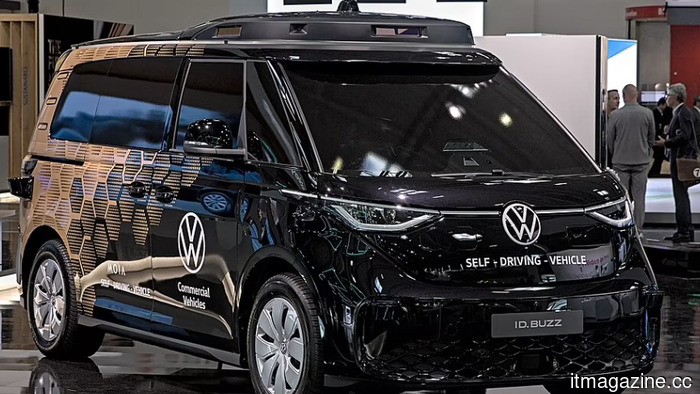 Volkswagen joins the robotaxi competition by launching a shared shuttle service in Hamburg.
Moia is currently providing complimentary autonomous rides in Hamburg utilizing VW ID Buzz vans that have safety operators on board. Plans for launches in the US through Uber and Beep are set for later in 2026.
Volkswagen joins the robotaxi competition by launching a shared shuttle service in Hamburg.
Moia is currently providing complimentary autonomous rides in Hamburg utilizing VW ID Buzz vans that have safety operators on board. Plans for launches in the US through Uber and Beep are set for later in 2026.
The National Transportation Safety Board (NTSB) has determined that the driver who collided with a Texas residence while driving a Tesla at 70 mph had fully depressed the accelerator.
The NTSB reports that the driver of a Tesla, which resulted in the death of a woman in her Texas residence, pushed the accelerator to full throttle, surpassing the FSD system on a 30 mph road.