
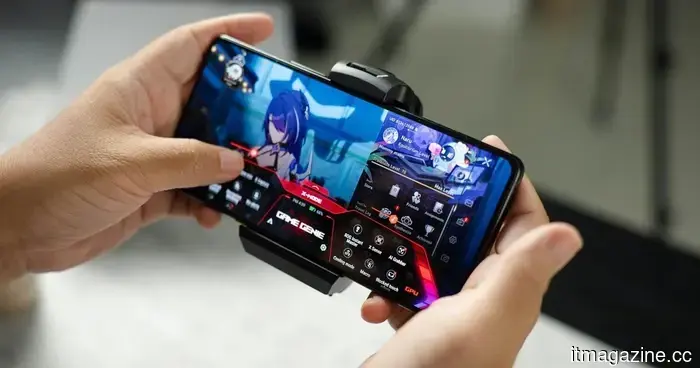
Competing against AI may boost your confidence when playing with actual teammates.
Artificial intelligence is often criticized for diminishing social interaction. The notion that AI substitutes conversations, diminishes teamwork, or renders gaming less human has been a prevalent narrative. However, a recent study indicates that the reverse might be true. In fact, AI could be subtly motivating people to spend more time with their friends.
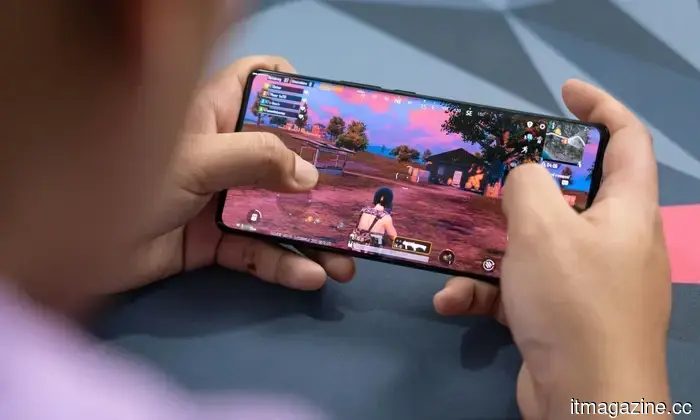
Research on PUBG: Battlegrounds revealed that adding AI-controlled opponents in multiplayer games did not isolate players. Instead, it increased their confidence, extended their gameplay duration, and even promoted more collaboration with friends. These findings, set to be published in the journal Information Systems Research, present an intriguing viewpoint on how AI can enhance user experiences rather than merely automating them.
A confidence boost from AI competitors
Since its launch in 2017, PUBG quickly ascended to become one of the most popular multiplayer games globally. However, like many competitive online games, it eventually faced a common issue. Skilled players overwhelmed newcomers, making it difficult for them to enjoy the game.
Liangfei Qiu, a professor at the University of Florida’s Warrington College of Business and co-author of the study, explained that experienced players inadvertently create a hurdle for novices. “When a game is at its height, there are numerous skilled players, so new players lack the motivation to join as they are consistently defeated,” Qiu noted.
To tackle this challenge, PUBG developer Krafton implemented AI-controlled opponents in select matches in 2020. These bots were not created to overpower gamers; instead, they were calibrated to operate slightly below the typical human player, allowing newcomers to gain realistic opportunities to learn the game, last longer, and achieve victories. Notably, while players were aware that bots were present, they could not distinguish which opponents were AI and which were real, making every victory feel authentic.
Enhanced confidence led to improved teamwork
The results surpassed expectations. Following the introduction of AI opponents, players were observed to spend approximately 50 percent more time in PUBG and played significantly more matches. Crucially, they were not merely securing easy wins against bots.
Teamplay surged by 28 percent, suggesting that players who gained confidence from early successes were more inclined to team up with friends instead of playing alone. The researchers believe that the concealed AI opponents boosted what psychologists refer to as self-efficacy, or the belief in one's ability to succeed. Once players began to feel more competent, they became more inclined to contribute to team activities and take on responsibilities for aiding their teammates.
Qiu maintains that this concept applies well beyond gaming. Rather than perceiving AI solely as a substitute for human labor, he suggests that effectively designed AI systems can act as training partners, aiding individuals in developing skills before facing more complex challenges. Whether it's onboarding new employees, instructing someone on new software, or helping novices learn a competitive game, AI could emerge as a means of building confidence rather than just another form of automation.
This serves as a compelling reminder that the most effective application of AI isn't always about replacing humans; oftentimes, it can quietly assist them in improving their collaborative efforts, both in work and play.
Other articles
 Google Play will be accessible to third-party app stores starting on July 22.
Starting July 22, Google will include third-party app stores within Google Play in the US, following the decision by Google and Epic to abandon their efforts to modify the court order.
Google Play will be accessible to third-party app stores starting on July 22.
Starting July 22, Google will include third-party app stores within Google Play in the US, following the decision by Google and Epic to abandon their efforts to modify the court order.
 HTC's smart glasses are reportedly set to arrive in the US, although the company has not officially confirmed this.
Amazon temporarily posted a listing for HTC's VIVE Eagle smart glasses, indicating a US release on September 1 for $499, but later took down the pages before HTC verified the launch beyond Taiwan.
HTC's smart glasses are reportedly set to arrive in the US, although the company has not officially confirmed this.
Amazon temporarily posted a listing for HTC's VIVE Eagle smart glasses, indicating a US release on September 1 for $499, but later took down the pages before HTC verified the launch beyond Taiwan.
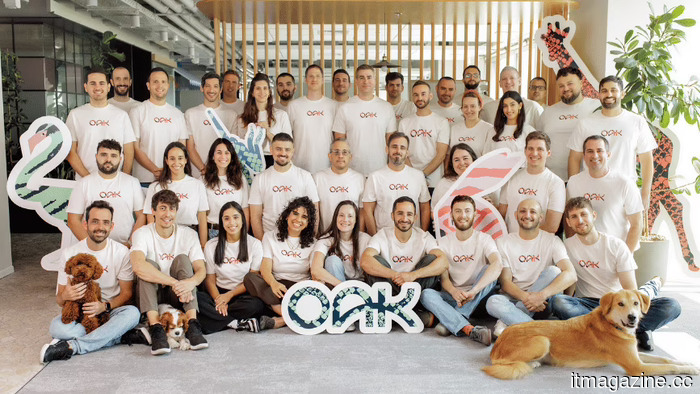 Oak secures $60 million for an AI-driven identity platform.
Israeli startup Oak has secured $60 million for an AI-native identity platform that manages all users, machines, and AI agents from one centralized control panel.
Oak secures $60 million for an AI-driven identity platform.
Israeli startup Oak has secured $60 million for an AI-native identity platform that manages all users, machines, and AI agents from one centralized control panel.
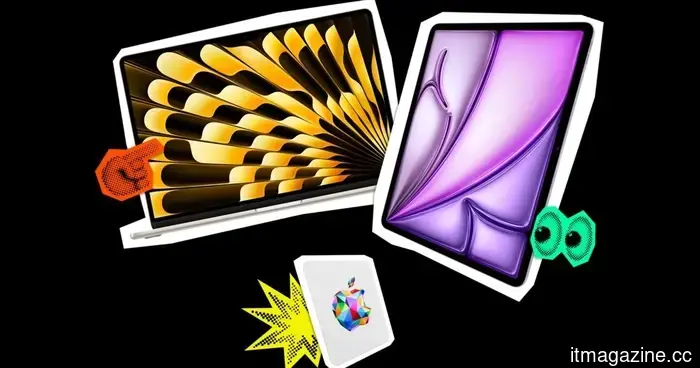 Apple's Back to School promotion for 2026 offers savings of up to $150 on a new Mac or iPad.
Apple's Back to School promotion for 2026 reintroduces gift cards valued at up to $150; however, the least expensive Mac and iPad models are not included in the offer.
Apple's Back to School promotion for 2026 offers savings of up to $150 on a new Mac or iPad.
Apple's Back to School promotion for 2026 reintroduces gift cards valued at up to $150; however, the least expensive Mac and iPad models are not included in the offer.
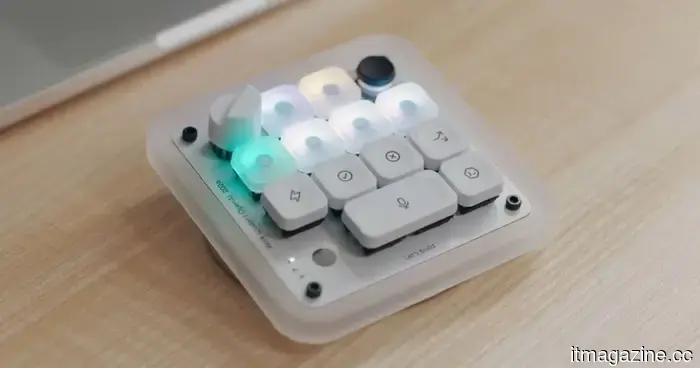 OpenAI created a small $230 keyboard that enables you to enhance an AI's capabilities.
OpenAI and Work Louder have created a $230 mini keyboard that offers Codex users physical shortcuts, lights indicating live agent status, and a dial for modifying the AI's processing intensity.
OpenAI created a small $230 keyboard that enables you to enhance an AI's capabilities.
OpenAI and Work Louder have created a $230 mini keyboard that offers Codex users physical shortcuts, lights indicating live agent status, and a dial for modifying the AI's processing intensity.
 Nokia and Nvidia unveil the inaugural commercial AI-RAN.
Nokia and Nvidia have developed the inaugural commercial AI-RAN platform, which aims to double network capacity using the current spectrum, with a launch planned for 2027.
Nokia and Nvidia unveil the inaugural commercial AI-RAN.
Nokia and Nvidia have developed the inaugural commercial AI-RAN platform, which aims to double network capacity using the current spectrum, with a launch planned for 2027.
Competing against AI may boost your confidence when playing with actual teammates.
According to recent research, AI opponents in gaming have enhanced player confidence, raised playtime by 50 percent, and promoted more collaboration among friends.