
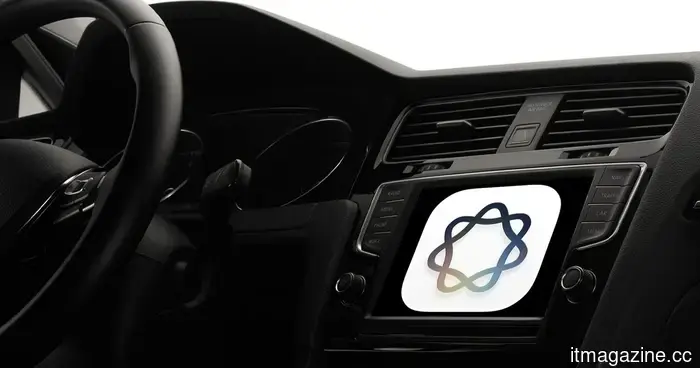
Although the Apple Car project may be discontinued, it laid the groundwork for Apple Intelligence.
Digital Trends may receive a commission when purchases are made through links on our site. Why should you trust us?
A decade of work on a canceled car project is said to have paved the way for Apple Intelligence.
Apple Intelligence in Apple Car
Varun Mirchandani / Digital Trends
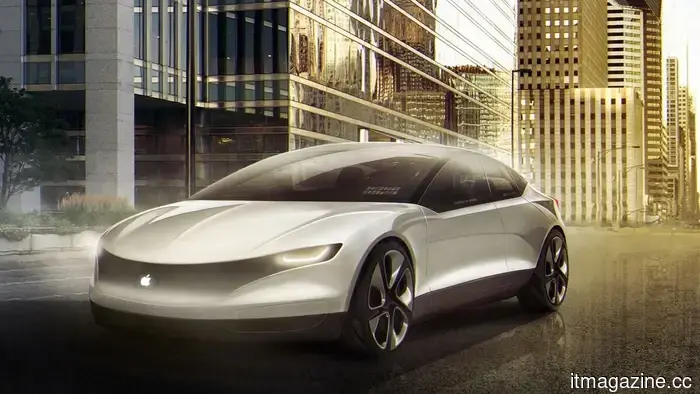
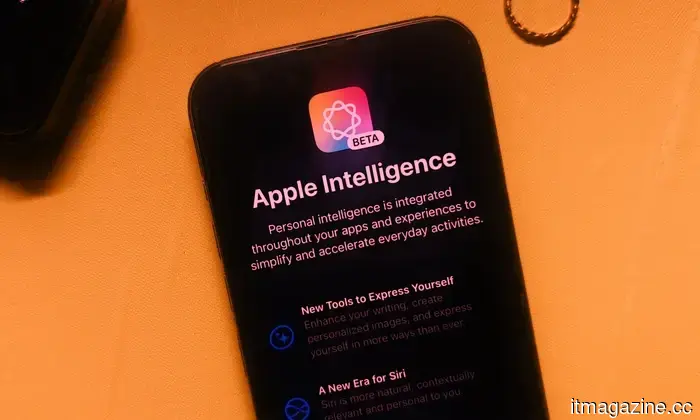
Although the Apple Car never made it to the market, it reportedly sparked Apple’s aspirations in AI. Bloomberg's Mark Gurman noted that Apple’s abandoned autonomous vehicle initiative, which consumed over ten years of effort and more than $10 billion before being halted in 2024, laid the technological groundwork for Apple Intelligence. In a somewhat ironic turn of events, one of Apple’s priciest failures could potentially transform into one of its most significant long-term investments.
The Apple Car prompted Apple to adopt an AI mindset
When Apple initially began its self-driving vehicle project, the aim wasn't just to create an electric car. The company aimed for Level 5 autonomy, the highest level of self-driving where a vehicle operates fully independently without human intervention.
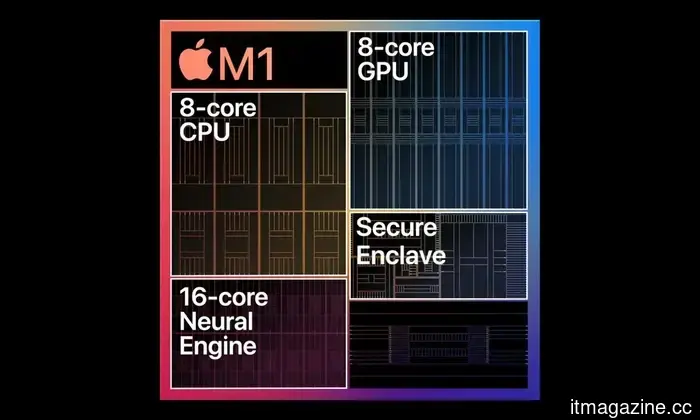
This ambitious goal led Apple to face one of the most significant engineering challenges imaginable: handling massive AI workloads both locally and in real time. To achieve this, engineers heavily invested in machine learning research and custom silicon specifically designed for AI processing. Though the advanced chip meant for the car never made it to market, the foundational work was not wasted. Instead, it evolved into the Neural Engine, Apple’s dedicated AI processor now included in almost every modern Apple chip.
The first Neural Engine debuted in the iPhone X in 2017, powering features such as Face ID and Animoji. Since then, Apple has continuously integrated this technology across its product range. Every Apple Silicon Mac released since 2020 has included a Neural Engine, enabling Macs to run AI tasks locally instead of depending solely on the cloud.
Its impact extends beyond the iPhone
Bloomberg indicates that the influence of the canceled vehicle project goes far beyond consumer devices. The same research is said to have informed Apple’s powerful Ultra-class Mac chips and the custom processors currently powering Apple Intelligence servers. While Apple has faced challenges in delivering AI software features as swiftly as competitors like Google and Microsoft, the company has quietly built the necessary hardware over the past decade to support those features. These early investments are starting to pay dividends as Apple continues to develop Apple Intelligence and rebuilds Siri using more advanced AI models.
Nadeem Sarwar / Digital Trends
This aspect of the story is particularly intriguing. The Apple Car is often remembered as a notable failure since it never reached consumers. However, Bloomberg suggests that internally, the project may have achieved something arguably more significant: it advanced Apple’s expertise in AI hardware long before generative AI became a key battleground in the industry. In retrospect, the company’s shelved vehicle might never transport anyone, but the technology it inspired is already contributing to the next generation of AI experiences at Apple, which may prove to be the far more crucial destination.
Varun is an experienced technology journalist and editor with over eight years in consumer tech media. His work spans…
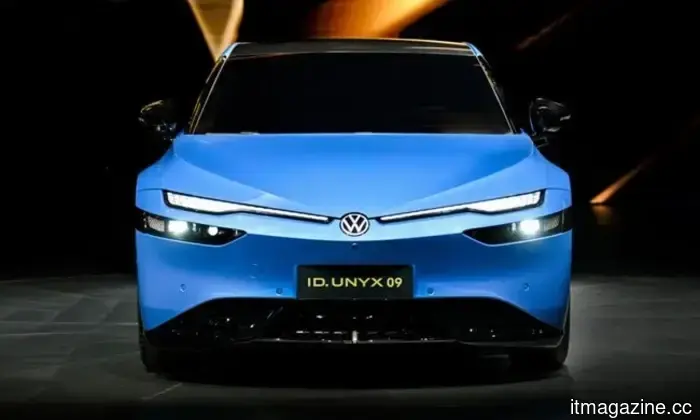
Volkswagen’s ID. Unyx 09 has leaked, and it’s the kind of EV I want to see in the US
VW's partnership with Xpeng is yielding the results we anticipated.
I’ve observed Volkswagen's lineup in China quietly becoming more impressive over the last two years, but the ID. Unyx 09 might be the turning point, not only for Chinese consumers but for the global market as well. Regulatory documents from China’s Ministry of Industry and Information Technology, Batch 409, have unveiled the full specifications of the upcoming sedan prior to its official launch later this year, and it appears significantly different from any VW model I’ve seen before (via CarNewsChina).
Read more
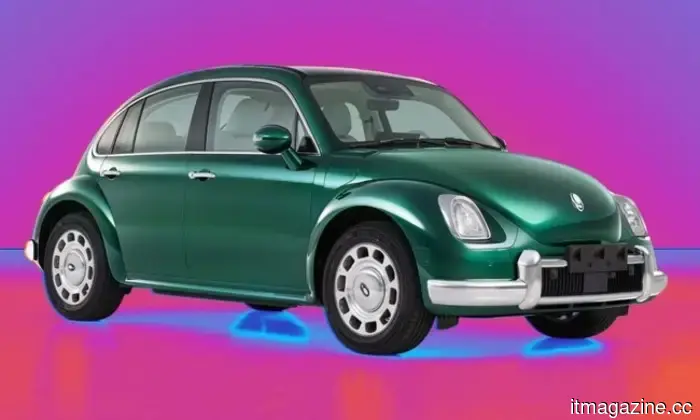
China’s GWM is creating a Beetle-inspired EV, and it somehow looks better
GWM enhances the Ora Ballet Cat with a 150kW motor and a top speed of 180km/h
While the Volkswagen Beetle may be long gone, one of its most evident spiritual successors is not yet ready to fade away. Chinese automaker Great Wall Motor (GWM) is gearing up to reintroduce the Ora Ballet Cat, its retro-styled electric hatchback that has famously drawn comparisons to the classic Beetle. However, this time, the company hopes that improved performance and a new identity will achieve success where clever marketing failed. According to a report from Car News China, the latest regulatory submissions in China reveal that the Ora Ballet Cat is set to receive a more powerful electric motor, an elevated top speed, and could even abandon its feline-inspired name. This update comes as competition in China's EV market escalates, compelling automakers to reconsider products that once stood out for their aesthetics alone.
Read more
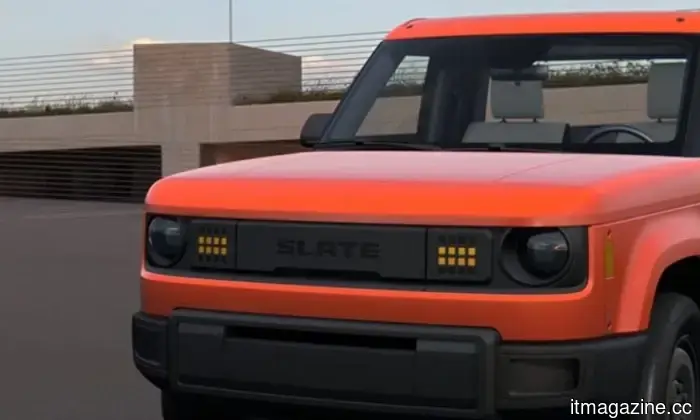
Slate’s new EV truck colors are vibrant and reminiscent of a Crayola box
Slate Auto and Crayola have collaborated to give the affordable electric truck a lively makeover.
If there was

Other articles
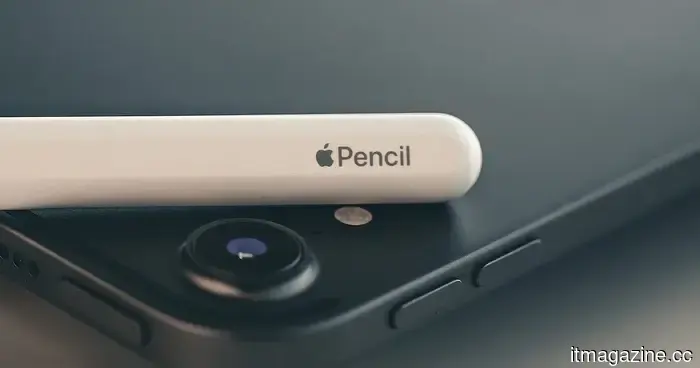 Apple may introduce two new Apple Pencils next spring in conjunction with the iPad Pro release.
According to reports, Apple is getting ready to introduce two new models of the Apple Pencil next spring, which include an updated version of the Apple Pencil Pro and a new USB-C Apple Pencil, anticipated to be released together with the next-generation iPad Pro.
Apple may introduce two new Apple Pencils next spring in conjunction with the iPad Pro release.
According to reports, Apple is getting ready to introduce two new models of the Apple Pencil next spring, which include an updated version of the Apple Pencil Pro and a new USB-C Apple Pencil, anticipated to be released together with the next-generation iPad Pro.
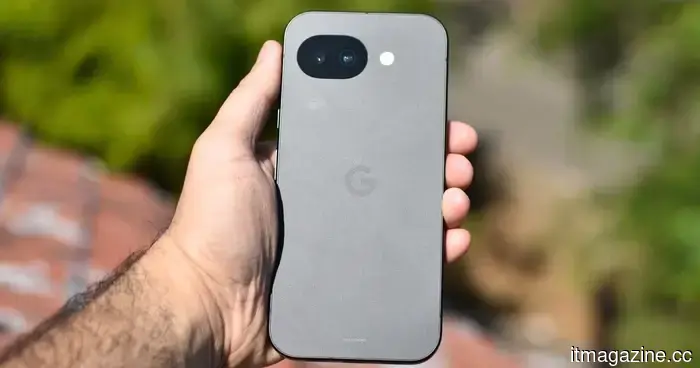 The Pixel 11 is just around the corner, and here are three improvements I'm hoping Google will implement.
The Pixel 11 is approaching, and Google has an opportunity to address three persistent problems that have hindered the Pixel experience for years.
The Pixel 11 is just around the corner, and here are three improvements I'm hoping Google will implement.
The Pixel 11 is approaching, and Google has an opportunity to address three persistent problems that have hindered the Pixel experience for years.
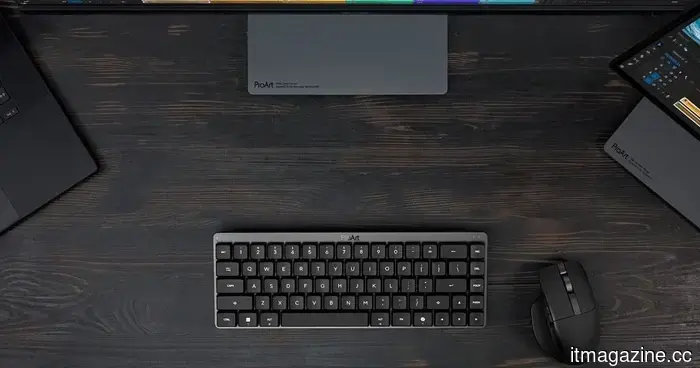 ASUS enhances its ProArt series with a sleek keyboard and an intelligent creator mouse.
ASUS has enhanced its ProArt ecosystem by introducing the ProArt Keyboard KD300 and ProArt Mouse MD301, which offer creator-centric functionalities, a compact design, and the ability to connect to multiple devices for professionals.
ASUS enhances its ProArt series with a sleek keyboard and an intelligent creator mouse.
ASUS has enhanced its ProArt ecosystem by introducing the ProArt Keyboard KD300 and ProArt Mouse MD301, which offer creator-centric functionalities, a compact design, and the ability to connect to multiple devices for professionals.
 This one application has greatly enhanced my experience on my Mac.
Supercharge addresses the minor macOS irritations that have troubled Mac users for years. With features like one-click DMG installations, app shortcuts, and a more intelligent Finder menu, these adjustments have transformed my experience with my Mac.
This one application has greatly enhanced my experience on my Mac.
Supercharge addresses the minor macOS irritations that have troubled Mac users for years. With features like one-click DMG installations, app shortcuts, and a more intelligent Finder menu, these adjustments have transformed my experience with my Mac.
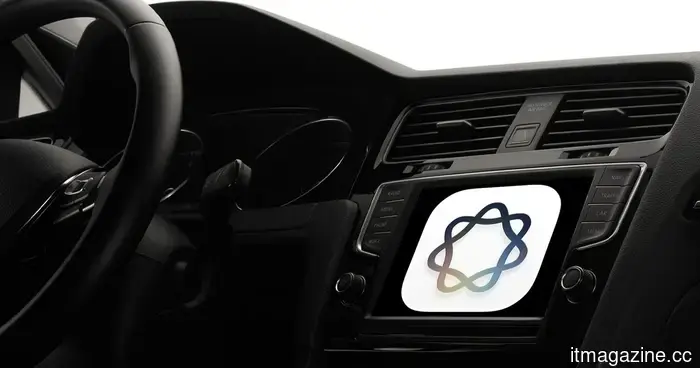 The Apple Car may have been canceled, but it laid the groundwork for Apple Intelligence.
Apple's abandoned self-driving car initiative is said to have laid the technological groundwork for Apple Intelligence, contributing to the development of the Neural Engine and the AI hardware that drives the current iPhones, Macs, and Apple AI servers.
The Apple Car may have been canceled, but it laid the groundwork for Apple Intelligence.
Apple's abandoned self-driving car initiative is said to have laid the technological groundwork for Apple Intelligence, contributing to the development of the Neural Engine and the AI hardware that drives the current iPhones, Macs, and Apple AI servers.
 Apple's M7 Ultra might compete with Nvidia Blackwell, boasting an impressive 1.5TB of memory.
Apple's M7 Ultra chip might include as much as 1.5TB of unified memory, which is said to enhance AI performance to a level comparable to Nvidia Blackwell, while also supporting future Macs and Apple Intelligence servers.
Apple's M7 Ultra might compete with Nvidia Blackwell, boasting an impressive 1.5TB of memory.
Apple's M7 Ultra chip might include as much as 1.5TB of unified memory, which is said to enhance AI performance to a level comparable to Nvidia Blackwell, while also supporting future Macs and Apple Intelligence servers.
Although the Apple Car project may be discontinued, it laid the groundwork for Apple Intelligence.
The self-driving car project that Apple discontinued is said to have laid the technological groundwork for Apple Intelligence, contributing to the development of the Neural Engine and the AI hardware that supports current iPhones, Macs, and Apple AI servers.