
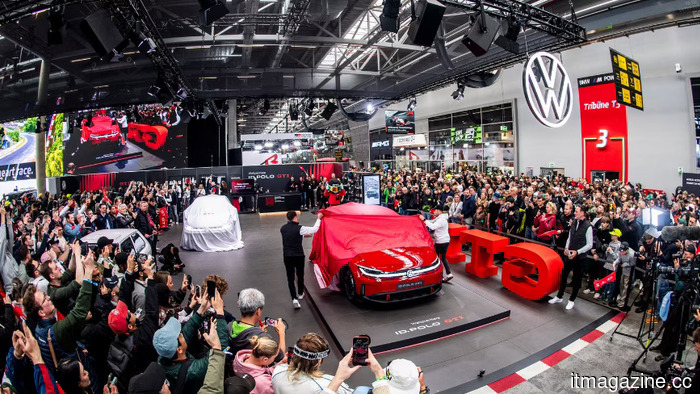
VW plans to reduce its model lineup by half but remains quiet on the potential for 100,000 job reductions.
Volkswagen has announced plans to significantly reduce its model lineup by up to half and decrease production capacity to nine million vehicles annually in response to the worst crisis the company has ever faced. However, the official statement did not address potential job cuts, despite sources indicating that CEO Oliver Blume aims to eliminate up to 100,000 positions and close four factories in Germany. This plan has incited protests from unions and a confrontation within the supervisory board on July 9, indicating the beginning of what appears to be a prolonged and contentious conflict.
The carmaker's strategy involves streamlining its extensive product range, cutting it by up to half in the coming years, according to CNBC. The production capacity will be lowered from the previous target of 12 million vehicles to nine million per year. Currently, Volkswagen offers approximately 150 model lines across various brands, including Porsche, Audi, and Skoda, but will reduce the complexity of its offerings—meaning fewer equipment and configuration options—by as much as 75%.
Oliver Blume has described these changes as essential for the survival of Volkswagen Group, aiming to make the company faster, more resilient, and competitive. Notably absent from the official announcement was any mention of job impacts, which have become a central issue in discussions. Reports suggest Blume's intent to cut around 100,000 jobs and close plants in Hanover, Emden, Zwickau, and Audi’s Neckarsulm factory, which would effectively double the previously planned cuts.
Volkswagen is contending with numerous pressures, including high costs and excess capacity in its home market, increased competition from Chinese companies, and US import tariffs. These factors have severely impacted the company's profitability, halving its profit margins from 2021 to 2025. The situation is further exacerbated in China, where domestic competitors are thriving, leaving foreign manufacturers like Volkswagen struggling to maintain their market share.
The company's plans faced immediate resistance from its influential unions on July 9, as labor representatives on the supervisory board strongly opposed the proposed cuts. Approximately 400 protesters gathered in Wolfsburg as part of a broader IG Metall mobilization across around 20 company sites. The union has cautioned that a "major conflict" could arise if management pushes the plans through. IG Metall's president, Christiane Benner, who also serves as the deputy chair of the supervisory board, made a clear statement against the board’s direction.
Workers possess leverage and a historical precedent, as a restructuring agreement established under Blume in late 2024 included a commitment to avoid closures of German plants, making any revision of this promise highly contentious.
The recent board meeting was unlikely to yield resolutions, instead marking the beginning of what will be a protracted and heated negotiation regarding Volkswagen's future. Analysts were not impressed with the limited details provided, with Jefferies labeling them as having "limited new information." While the company has officially recorded the lineup reductions, it has conspicuously avoided mentioning the potential job losses.
As Volkswagen seeks to navigate this tumultuous period, it continues to invest in technologies it believes will secure its future, recently becoming the largest shareholder in Rivian through a software partnership. The overall strategy appears to focus on reducing its traditional business while moving towards a more streamlined, software-driven future. This discrepancy—between the number of cars they plan to cease production of and the number of employees they plan to let go—encapsulates the entire situation.
Other articles
 Meta’s engaging design of Instagram and Facebook might result in billions of dollars in fines and a compelled redesign.
The European Commission has stated that Meta did not adequately safeguard users, particularly teenagers, from the addictive nature of Instagram and Facebook's design, and the company may face significant penalties.
Meta’s engaging design of Instagram and Facebook might result in billions of dollars in fines and a compelled redesign.
The European Commission has stated that Meta did not adequately safeguard users, particularly teenagers, from the addictive nature of Instagram and Facebook's design, and the company may face significant penalties.
 Why Window-Mounted Fresh Air Systems Are Gaining Popularity Among Renters
As contemporary houses become increasingly airtight and indoor living is more prevalent, maintaining healthy air quality is evolving into a practical comfort requirement rather than just a specialized wellness topic. With more people working from home for longer periods, the emphasis on the cleanliness of indoor air has grown, especially during times of seasonal pollen, wildfire smoke, and other external pollutants. Consequently, an increasing […]
Why Window-Mounted Fresh Air Systems Are Gaining Popularity Among Renters
As contemporary houses become increasingly airtight and indoor living is more prevalent, maintaining healthy air quality is evolving into a practical comfort requirement rather than just a specialized wellness topic. With more people working from home for longer periods, the emphasis on the cleanliness of indoor air has grown, especially during times of seasonal pollen, wildfire smoke, and other external pollutants. Consequently, an increasing […]
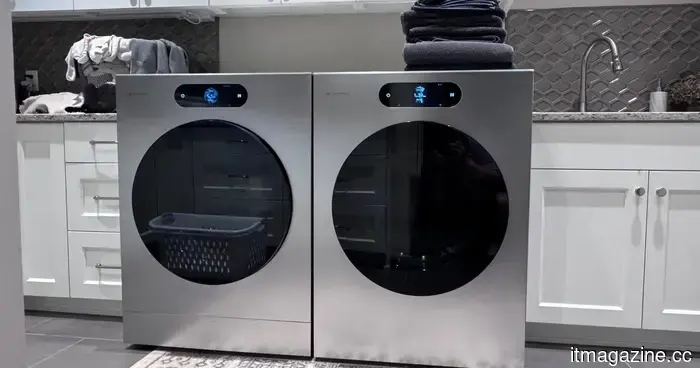 LG SIGNATURE DLEX9900S review: An impressive, beautifully designed dryer with one notable AI-related caveat.
The LG SIGNATURE DLEX9900S is an oversized dryer that features an impressive design, numerous smart functionalities, and a strong accompanying ecosystem.
LG SIGNATURE DLEX9900S review: An impressive, beautifully designed dryer with one notable AI-related caveat.
The LG SIGNATURE DLEX9900S is an oversized dryer that features an impressive design, numerous smart functionalities, and a strong accompanying ecosystem.
 This application transforms your written and spoken messages into dynamic AI characters.
Are you weary of sending just text and voice messages? Pixi Garden allows you to send animated AI characters that enter chats, perform, and convey your message. It currently operates within Apple's Messages app, with plans for integration into WhatsApp and other platforms in the future.
This application transforms your written and spoken messages into dynamic AI characters.
Are you weary of sending just text and voice messages? Pixi Garden allows you to send animated AI characters that enter chats, perform, and convey your message. It currently operates within Apple's Messages app, with plans for integration into WhatsApp and other platforms in the future.
 Europe's reduction of bureaucratic regulations has satisfied very few people.
The EU's push for deregulation is undermining the GDPR and postponing the AI Act, while the industry claims the process is too sluggish, and digital rights organizations argue that it is excessive.
Europe's reduction of bureaucratic regulations has satisfied very few people.
The EU's push for deregulation is undermining the GDPR and postponing the AI Act, while the industry claims the process is too sluggish, and digital rights organizations argue that it is excessive.
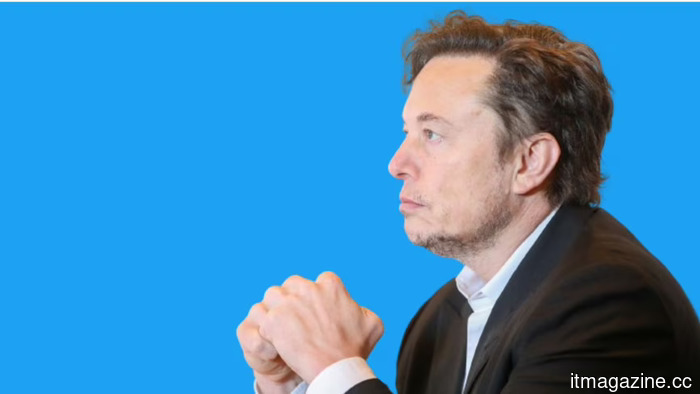 New 'Ex-Elon' ETFs eliminate Tesla and SpaceX from their indexes.
Subversive ETFs has submitted filings for two funds that will track the Nasdaq-100 and S&P 500, while omitting companies associated with Elon Musk, following the inclusion of SpaceX in the index.
New 'Ex-Elon' ETFs eliminate Tesla and SpaceX from their indexes.
Subversive ETFs has submitted filings for two funds that will track the Nasdaq-100 and S&P 500, while omitting companies associated with Elon Musk, following the inclusion of SpaceX in the index.
VW plans to reduce its model lineup by half but remains quiet on the potential for 100,000 job reductions.
Volkswagen plans to reduce its model range by 50% and decrease production capacity, but has not commented on the rumored 100,000 job reductions and the shutdown of four plants in Germany.