
Recruiters pursue specialized AI positions as their own roles face challenges.
The recruitment sector, one of the initial white-collar industries anticipated to be diminished by automation, is attempting to reinvent itself by marketing the very technology that poses a threat to its existence. Confronted with AI systems capable of screening candidates and composing job postings in mere seconds, staffing agencies are honing in on specialized, difficult-to-fill positions within the AI sector, as reported by Bloomberg.
The reasoning is that scarcity, rather than abundance, is where human recruiters still bring value. With generative AI redefining the hiring landscape for both job seekers and employers, the routine task of reviewing CVs has become inexpensive, while the task of pairing a unique AI architect with a company in urgent need remains valuable.
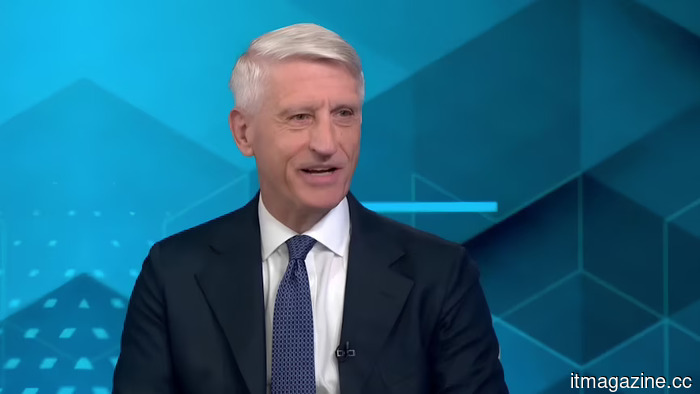
“The long tail of job growth is significantly extending,” stated Sander van ’t Noordende, chief executive of Randstad, to Bloomberg, suggesting that initial worries about widespread job displacement have morphed into a more complex situation in which new, specific roles are emerging more quickly than they are vanishing.
Randstad's own studies indicate where demand is becoming concentrated. The firm has observed a spike in interest for positions such as AI solutions leads, which have risen by 226%, process automation specialists, up 196%, and AI architects, up 152%. These categories were almost non-existent a few years ago and few recruiters are equipped to fill them.
Filling these roles proves to be the challenging part. Companies are investing heavily in AI while grappling with the need to create a workforce to manage it, and the demand for developers with AI expertise has surged by several hundred percent, outstripping the supply of individuals qualified to perform the tasks. This gap is the area recruiters aim to fill.
This transition also encompasses more than just coding. Randstad has noted an increasing demand for skills centered on human interaction that AI cannot easily replicate, with interest in emotional intelligence and creativity growing by 173% and 168%, respectively. This trend suggests that employers are increasingly seeking judgment in addition to technical abilities.
Moreover, there is a tangible aspect to this shift. Randstad asserts that the development of data centers and power infrastructure is generating demand for skilled trades at a rate three times faster than that for professional roles—tasks that no automation can fulfill. Recruiters who previously focused on placing office personnel are now pivoting toward electricians, technicians, and construction workers.
For staffing firms, the stakes are almost existential. Randstad, the largest HR services provider globally, reported about €23 billion in revenue in 2025, but has endured years of weak demand. As a response, it is restructuring around a digital talent platform and a focus on specialization to guide consultants towards niche expertise rather than general placements.
This reinvention takes place against a challenging backdrop. Tech companies have laid off tens of thousands of employees in 2026, many roles directly associated with AI, and surveys indicate that a significant portion of hiring managers anticipates further reductions, attributing this to automation.
Recruiters are banking on the belief that the same technology that is eroding routine hiring tasks will continue to create new roles that are too innovative, too specialized, or too human for automation to handle alone. This is a gamble on their own necessity at a time when clients are questioning the need for intermediaries.
Startups are already entering the field. AI-native companies like Dex, which develops agents to connect machine-learning engineers with potential employers, are targeting the same lucrative niche from a different angle, raising concerns about whether established firms can specialize quickly enough to avoid disruption.
The ongoing uncertainty lies in whether specialization represents a viable long-term strategy or merely a temporary measure. As AI continues to advance, today’s scarce AI roles may become tomorrow’s automated tasks, potentially leading to a reduction in the long tail that van 't Noordende describes.
For the moment, recruiters are gravitating towards tasks that are most resistant to automation, as this is the only area where they can continue to compete credibly.
Other articles
 Criterion states that Burnout is not overlooked, yet that is precisely what concerns me.
Criterion indicates that Burnout is still a significant aspect of the studio's identity, but Battlefield is now its focus moving forward. Although this decision is sound from a business perspective following the success of Battlefield 6, it also underscores the scarcity of genuine arcade racing games in the current market.
Criterion states that Burnout is not overlooked, yet that is precisely what concerns me.
Criterion indicates that Burnout is still a significant aspect of the studio's identity, but Battlefield is now its focus moving forward. Although this decision is sound from a business perspective following the success of Battlefield 6, it also underscores the scarcity of genuine arcade racing games in the current market.
 US states may file a lawsuit next week to prevent Paramount's $110 billion merger with Warner Bros.
Sources informed Reuters that California, New York, and other states may file a lawsuit as early as next week to prevent Paramount’s $110 billion deal with Warner Bros. Discovery.
US states may file a lawsuit next week to prevent Paramount's $110 billion merger with Warner Bros.
Sources informed Reuters that California, New York, and other states may file a lawsuit as early as next week to prevent Paramount’s $110 billion deal with Warner Bros. Discovery.
 Sonos experiences a loss of ten years' worth of design expertise as layoffs affect its upper management.
Sonos has let go of senior design and product leaders who have been with the company for ten years or longer, in what the CEO describes as a move for greater speed, while some employees refer to it as a cost-cutting measure.
Alchemab secures £25 million from the British Business Bank in a groundbreaking investment in life sciences.
Cambridge biotech firm Alchemab has expanded its Series A financing by securing a £25 million investment from the British Business Bank, marking the lender's largest contribution to a life sciences company.
Sonos experiences a loss of ten years' worth of design expertise as layoffs affect its upper management.
Sonos has let go of senior design and product leaders who have been with the company for ten years or longer, in what the CEO describes as a move for greater speed, while some employees refer to it as a cost-cutting measure.
Alchemab secures £25 million from the British Business Bank in a groundbreaking investment in life sciences.
Cambridge biotech firm Alchemab has expanded its Series A financing by securing a £25 million investment from the British Business Bank, marking the lender's largest contribution to a life sciences company.
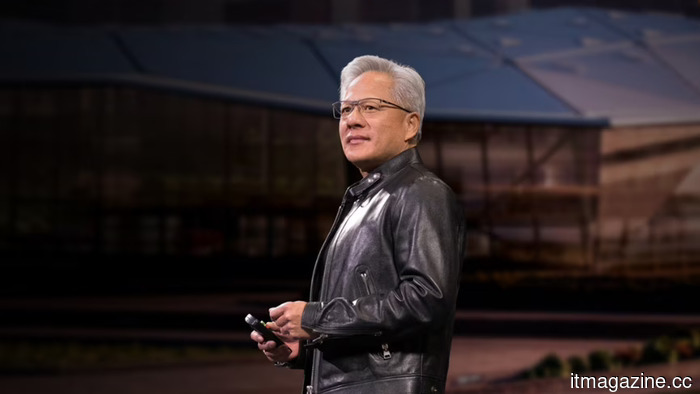 Jensen Huang mentioned that his engineers prefer creating agents to writing code.
Nvidia's CEO Jensen Huang stated that all of his engineers favor developing AI agents over coding in Python, asserting that AI is generating jobs rather than eliminating them.
Jensen Huang mentioned that his engineers prefer creating agents to writing code.
Nvidia's CEO Jensen Huang stated that all of his engineers favor developing AI agents over coding in Python, asserting that AI is generating jobs rather than eliminating them.
 Thick phone or exhausted nervous system?
Imagine you are in an unfamiliar city, a bill rustling in your pocket, but the smartphone screen is dead, like a mammoth. A power outlet is a myth, and the power bank was left at home. For 48.7% of Russians, this nightmare is comparable in stress level to having no money at all.
Thick phone or exhausted nervous system?
Imagine you are in an unfamiliar city, a bill rustling in your pocket, but the smartphone screen is dead, like a mammoth. A power outlet is a myth, and the power bank was left at home. For 48.7% of Russians, this nightmare is comparable in stress level to having no money at all.
Recruiters pursue specialized AI positions as their own roles face challenges.
Confronted with tools that can evaluate and select candidates in just seconds, staffing agencies are shifting their focus to the limited, difficult-to-fill positions in the AI sector to maintain their relevance.