

Criterion mentions that Burnout hasn't been overlooked, but that's precisely what concerns me.
In a recent interview with IGN, Criterion reflected on its 30-year history, from Burnout and Need for Speed to its role in revitalizing Battlefield. The studio emphasized that Burnout is still a key part of its identity but recognized that its future is now firmly tied to Battlefield. Accordingly, Criterion's new 30th anniversary logo proudly features the tagline: “Criterion: A Battlefield Studio.”
On the surface, this makes sense. Battlefield 6 has quickly become one of EA’s major success stories in recent years. It has revived a franchise many considered done for, achieved the largest launch in Battlefield history, and reminded everyone why the series was once a top competitor to Call of Duty. As a Battlefield fan, I'm genuinely thrilled. However, as a Burnout fan, that acknowledgment is somewhat disheartening.
Burnout hasn't been forgotten; it’s simply in waiting.
The positive news is that Criterion has not lost touch with its origins. The developers have openly recognized Burnout’s influence and how the series has shaped the current studio. The downside is… recalling a franchise doesn't equate to developing one.
“We are solely focused on Battlefield.” – Rebecka Coutaz, VP & GM of Battlefield Studios Europe
For the near future, Criterion is prioritizing Battlefield. The studio’s talent is dedicated to this direction, as is EA's investment, and given Battlefield 6’s success, it seems likely to remain so. Honestly? It’s difficult to argue against that. Battlefield has already been revitalized; it no longer requires saving.
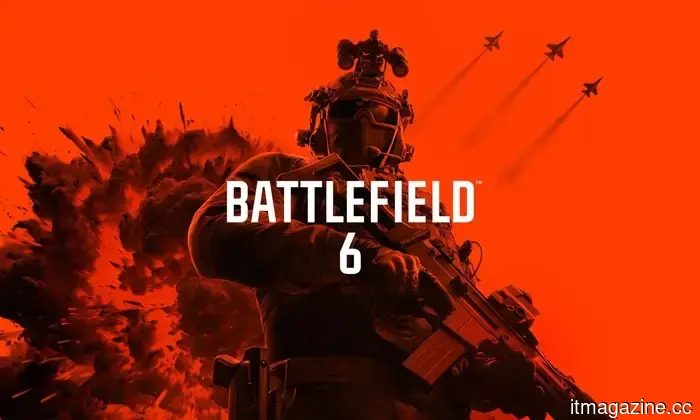
Battlefield 6 / Electronic Arts
The latest installment has demonstrated that EA’s strategy has paid off. Criterion’s skills in vehicle handling, large-scale mayhem, and refined gameplay have clearly contributed to Battlefield's revival. From a business standpoint, capitalizing on this success is probably the wisest choice EA could make. Unfortunately, it also means there’s one less studio focused on creating arcade racers.
Arcade racing has quietly faded away.
The reality is that Burnout didn’t become legendary because of its realism. It gained its status through sheer fun. Speeding through traffic, sending opponents crashing into barriers, witnessing spectacular multi-car wrecks in slow motion, and treating collisions as if they were competitive events were what made it thrilling. It didn’t aim to mimic real life; it merely wanted players to have an exhilarating experience. This is something that the racing genre seems to be forgetting.
Burnout Revenge (2005) Criterion Games / IMDb
Today, almost every major racing title aims for authenticity. Cars operate more realistically, damage models are intricately detailed, and physics engines are continually being refined for realism. Even the renowned Forza Horizon series, which arguably best blends realism and arcade mechanics, is built around licensed vehicles, believable handling, and a festival atmosphere. It’s an outstanding franchise, but it doesn't strive to be Burnout. And that's perfectly acceptable. The issue is that no one else is trying either.
Need for Speed: Unbound EA
Need for Speed deserves recognition for its experimentation with Unbound. The bold cel-shaded art style was a refreshing change, but despite the visual creativity, many fans felt the series still hadn’t recaptured the effortless arcade magic of its peak. Beyond that, Burnout faded away. MotorStorm is gone. Blur has vanished. Split/Second is no longer with us. Ridge Racer has faded into a mere nostalgic recollection. The truth is, without us realizing, we’ve seen a decline in games that embrace chaos merely for enjoyment.
Players still appreciate games with character.
Ironically, recent years have shown that players aren’t always pursuing realism. Titles such as Astro Bot, Balatro, and Clair Obscur: Expedition 33 have become huge successes because they prioritize personality, creativity, and fun over photorealism or simulation.
Sony
Burnout recognized this long before the rest of the industry. Nobody played it for an authentic driving experience. They played it because of the joy of launching opponents into traffic, causing dramatic crashes, and embracing pure chaos, which has always been entertaining.
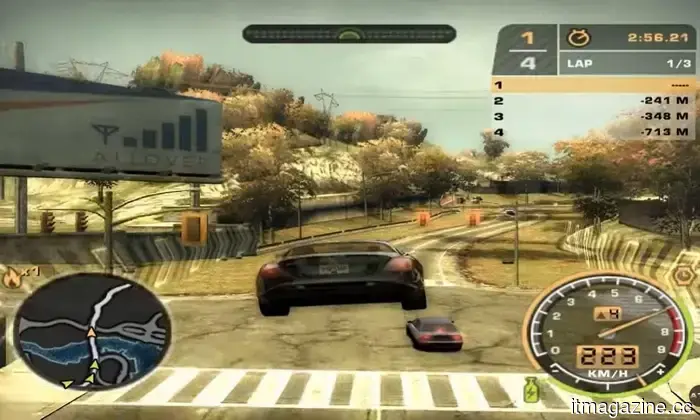
Need for Speed: Most Wanted (2005) Electronic Arts / IMDb
The same applies to Need for Speed: Underground 2 and Most Wanted (2005). These games are remembered not for their realistic handling but for their memorable soundtracks, outrageous police chases, cheesy street-racing narratives, and gameplay that consistently favored excitement over authenticity. There’s a reason people still discuss them two decades later.
EA is likely making the right choice… and that’s what makes it bittersweet.
To clarify, this isn’t a critique of Battlefield. If anything, Battlefield 6 demonstrates that EA made the right decision. Criterion has been instrumental in the franchise’s revival, and from a business perspective, keeping one of its top studios focused on one of its biggest hits is hard to dispute.
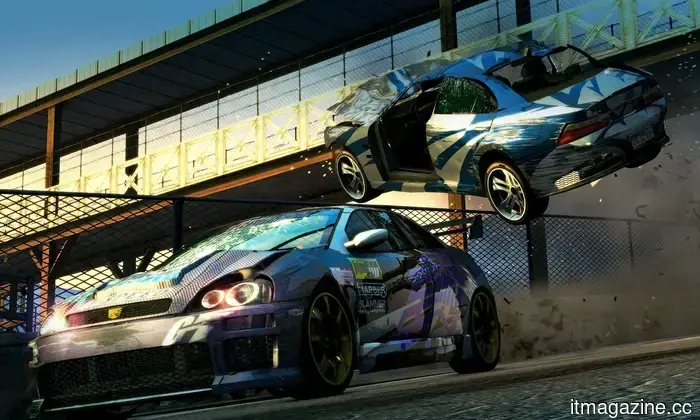
Burnout Paradise Remastered Criterion Games / Electronic Arts / Steam
The trade-off is evident. Battlefield gains one




Other articles
 Sonos experiences the departure of a decade’s worth of design expertise as layoffs affect its upper management.
Sonos has let go of senior design and product leaders who had been with the company for ten years or longer, in a restructuring that the CEO describes as a move towards greater speed, while some employees refer to it as cost-cutting.
Sonos experiences the departure of a decade’s worth of design expertise as layoffs affect its upper management.
Sonos has let go of senior design and product leaders who had been with the company for ten years or longer, in a restructuring that the CEO describes as a move towards greater speed, while some employees refer to it as cost-cutting.
 Xiaomi introduces the Sky Nomad, a square-shaped SUV lineup aimed at capturing the market for family cars in China.
Xiaomi has announced the Sky Nomad, a new SUV series that will feature an extended-range N90 equipped with a rooftop tent, as it aims to compete with Li Auto and Aito in the Chinese market.
Xiaomi introduces the Sky Nomad, a square-shaped SUV lineup aimed at capturing the market for family cars in China.
Xiaomi has announced the Sky Nomad, a new SUV series that will feature an extended-range N90 equipped with a rooftop tent, as it aims to compete with Li Auto and Aito in the Chinese market.
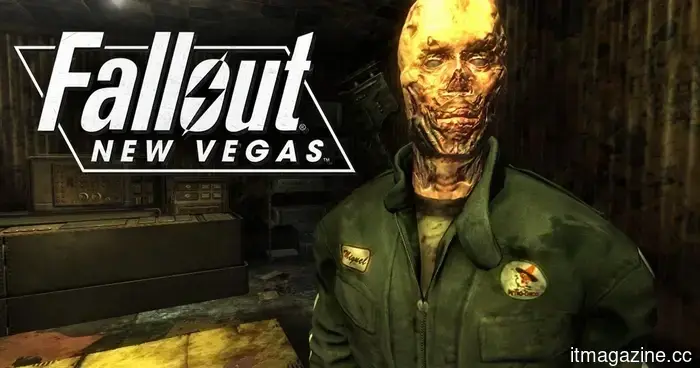 According to reports, Xbox has canceled the sequel to Avowed in order to prioritize a new Fallout game directed by the creator of New Vegas.
Bloomberg states that Obsidian Entertainment has redirected its focus to a new Fallout game, with Josh Sawyer, the director of Fallout: New Vegas, at the helm, leading to the cancellation of the anticipated Avowed sequel.
According to reports, Xbox has canceled the sequel to Avowed in order to prioritize a new Fallout game directed by the creator of New Vegas.
Bloomberg states that Obsidian Entertainment has redirected its focus to a new Fallout game, with Josh Sawyer, the director of Fallout: New Vegas, at the helm, leading to the cancellation of the anticipated Avowed sequel.
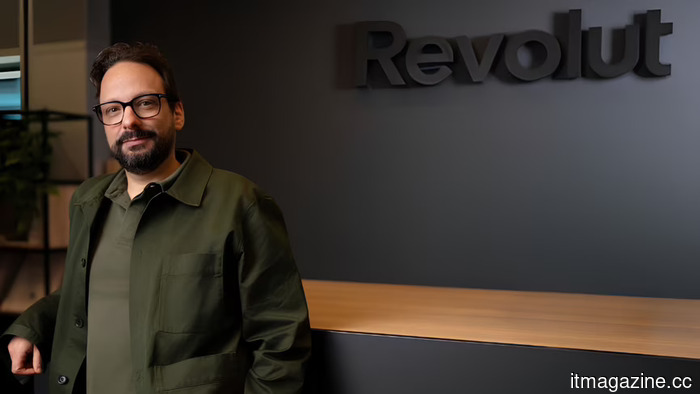 Revolut appoints former Chase UK chief Kuba Fast to head its European banking operations.
Revolut has appointed Kuba Fast, the former chief of Chase UK, as the new CEO of Revolut Bank UAB and its European operations, succeeding Joe Heneghan.
Revolut appoints former Chase UK chief Kuba Fast to head its European banking operations.
Revolut has appointed Kuba Fast, the former chief of Chase UK, as the new CEO of Revolut Bank UAB and its European operations, succeeding Joe Heneghan.
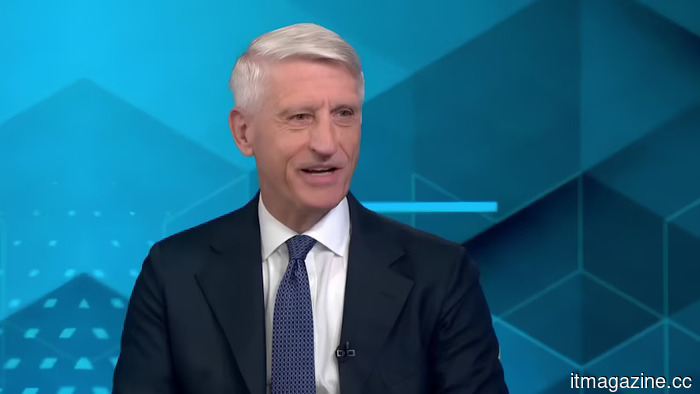 Recruiters pursue specialized AI positions as their own roles are increasingly at risk.
Confronted with tools capable of screening and shortlisting in mere seconds, staffing agencies are shifting their focus to the limited, difficult-to-fill positions within the AI sector to maintain their relevance.
Alchemab secures £25 million from the British Business Bank in a historic investment in life sciences.
Cambridge-based biotech company Alchemab has expanded its Series A funding with a £25 million investment from the British Business Bank, marking the lender's largest contribution to a life sciences firm.
Recruiters pursue specialized AI positions as their own roles are increasingly at risk.
Confronted with tools capable of screening and shortlisting in mere seconds, staffing agencies are shifting their focus to the limited, difficult-to-fill positions within the AI sector to maintain their relevance.
Alchemab secures £25 million from the British Business Bank in a historic investment in life sciences.
Cambridge-based biotech company Alchemab has expanded its Series A funding with a £25 million investment from the British Business Bank, marking the lender's largest contribution to a life sciences firm.
Criterion mentions that Burnout hasn't been overlooked, but that's precisely what concerns me.
Criterion states that Burnout is still a key aspect of the studio's identity, yet Battlefield represents its future. Although this decision is quite logical in light of Battlefield 6's success, it also underscores the scarcity of genuine arcade racing games in the current landscape.