
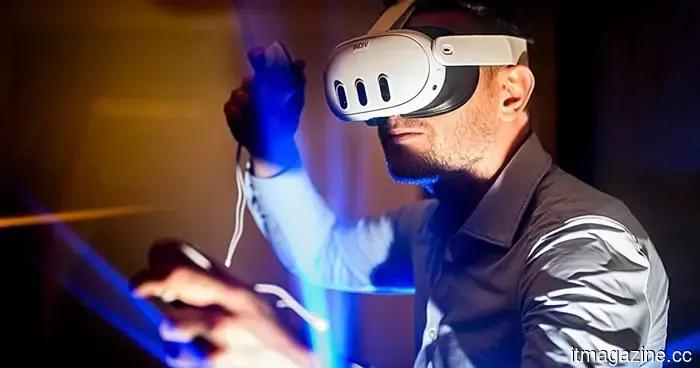
This VR empathy game might just be the beginning of something far more unsettling.
Rekindle employs facial recognition technology to enhance player engagement, but this concept could eventually influence therapeutic tools, safety mechanisms, and emotionally intelligent interfaces.
A new VR empathy game titled Rekindle integrates facial expressions into its control system. The game prompts players to express emotions and then monitors their faces to determine if their reactions align with the scenario.
The storyline unfolds in the first person, focusing on themes of memory, identity, and empathy for the LGBTQ+ community. Players navigate a dystopian future where sexual identity is systematically targeted and erased, gathering memory fragments linked to the main character’s experiences.
To progress, players must convey emotions related to those memories. This intriguing mechanic also offers a slightly eerie glimpse into the potential future of emotion-tracking in VR beyond initial game demonstrations.
How a headset interprets emotions
Rekindle utilizes facial-tracking technology embedded in a Samsung Galaxy XR headset. The system analyzes facial muscle movements, translates them into action units, and associates those signals with basic and complex emotions.
A smile, grimace, or expression of surprise serves as input. The game attempts to assess whether the player’s facial expressions are congruent with the emotional context of the scene, which fosters a more personal connection than simply pressing the correct button.
This could lead to VR narratives feeling less robotic. Additionally, it indicates that the headset is monitoring something inherently more intimate than hand gestures, and this boundary could quickly become uncomfortable.
When empathy becomes gameplay
The memories encountered in Rekindle are not typical collectibles. They revolve around both personal and culturally shared experiences related to LGBTQ+ life, encompassing painful reminders of violence against queer communities.
Players progress by responding emotionally to these memory fragments. Perspective-taking transforms from a menu selection to a facial expression-based action.
This is where the experiment complicates. Reactions may vary significantly between players from the LGBTQ+ community and those with little context. Future iterations might allow these emotional responses to alter the storyline, turning discomfort or empathy into branching narrative elements.
Where this concept becomes even more intriguing
While Rekindle remains a game, researchers are exploring applications beyond gaming. Similar technology could be applied in VR exposure therapy or safety systems that identify when an individual is drowsy or stressed.
This embodies the dilemma of emotion-sensitive technology. A headset that understands when a scene resonates could enhance the vitality of interactive narratives, but it may also increase user acceptance of devices that track emotional responses in environments where a controller already felt intrusive.
The key concern to monitor isn't whether this will be effective. It's how emotional monitoring shifts from being unusual to an accepted norm.




Other articles
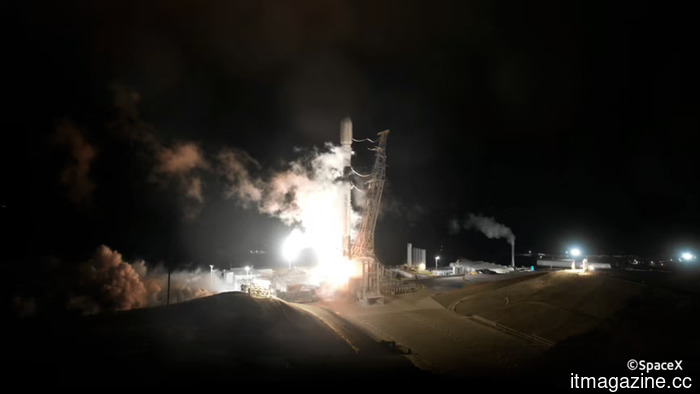 Romania spearheads its inaugural private ESA mission through the launch of CyberCUBE.
CyberCUBE, an orbital cybersecurity testbed operated by GMV Romania, has been launched aboard a Falcon 9. This marks the first ESA mission led by a Romanian firm.
Romania spearheads its inaugural private ESA mission through the launch of CyberCUBE.
CyberCUBE, an orbital cybersecurity testbed operated by GMV Romania, has been launched aboard a Falcon 9. This marks the first ESA mission led by a Romanian firm.
 Victims of Predatorgate are suing the spyware company Intellexa.
Eight victims involved in Greece's Predatorgate scandal are filing lawsuits against the spyware company Intellexa and 13 individuals, seeking €1 million each due to phone hacking incidents that occurred in 2020–21.
Victims of Predatorgate are suing the spyware company Intellexa.
Eight victims involved in Greece's Predatorgate scandal are filing lawsuits against the spyware company Intellexa and 13 individuals, seeking €1 million each due to phone hacking incidents that occurred in 2020–21.
 Hud CEO Roee Adler states that runtime intelligence will shape the upcoming era of software operations.
Roee Adler, the CEO of the Israeli startup Hud, contends that conventional observability is inadequate for AI coding agents. He believes that runtime intelligence, which captures the production context at the function level, will emerge as the architectural layer that ensures the reliability of autonomous software delivery.
Hud CEO Roee Adler states that runtime intelligence will shape the upcoming era of software operations.
Roee Adler, the CEO of the Israeli startup Hud, contends that conventional observability is inadequate for AI coding agents. He believes that runtime intelligence, which captures the production context at the function level, will emerge as the architectural layer that ensures the reliability of autonomous software delivery.
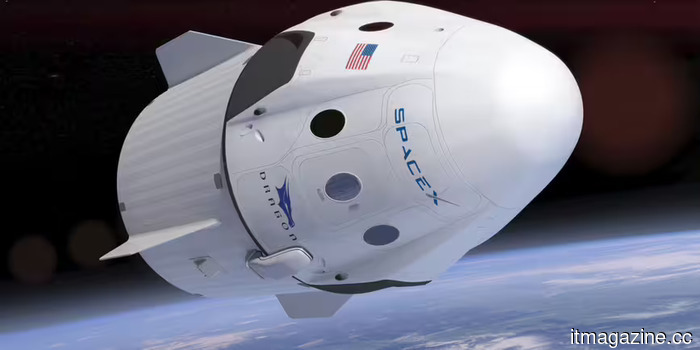 The most optimistic supporter of SpaceX predicts a valuation of $10.5 trillion.
Raymond James set a Street-high target of $800 for SpaceX, suggesting a valuation of $10.5 trillion, as the company became part of the Nasdaq 100. Meanwhile, Jeremy Grantham estimates the likelihood of a crash at 90%.
The most optimistic supporter of SpaceX predicts a valuation of $10.5 trillion.
Raymond James set a Street-high target of $800 for SpaceX, suggesting a valuation of $10.5 trillion, as the company became part of the Nasdaq 100. Meanwhile, Jeremy Grantham estimates the likelihood of a crash at 90%.
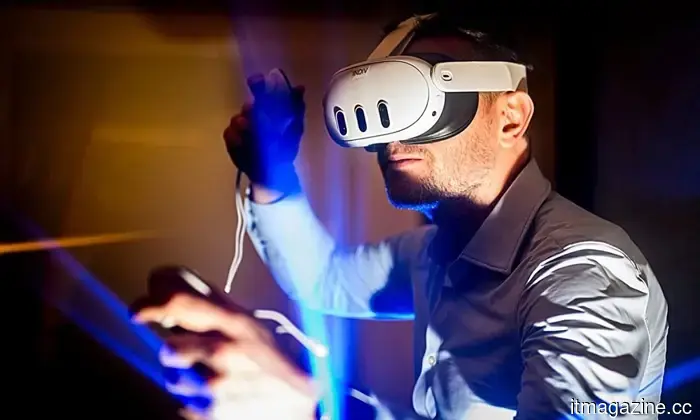
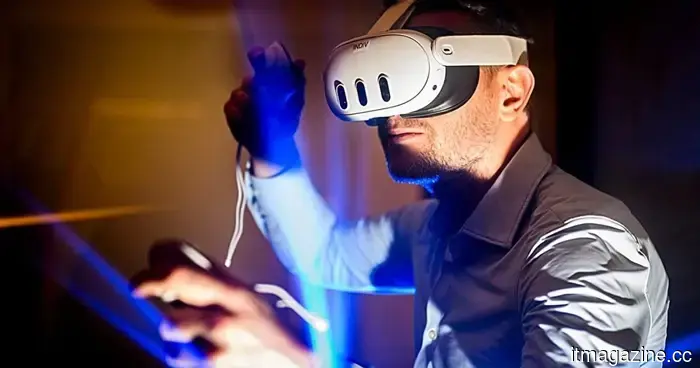 This virtual reality empathy game might be the beginning of something far more unsettling.
Rekindle employs facial recognition biometrics to translate emotions into gameplay. However, this concept could also advance emotion-sensitive technology in areas like therapy, safety mechanisms, and user interfaces that monitor more than just clicks.
This virtual reality empathy game might be the beginning of something far more unsettling.
Rekindle employs facial recognition biometrics to translate emotions into gameplay. However, this concept could also advance emotion-sensitive technology in areas like therapy, safety mechanisms, and user interfaces that monitor more than just clicks.
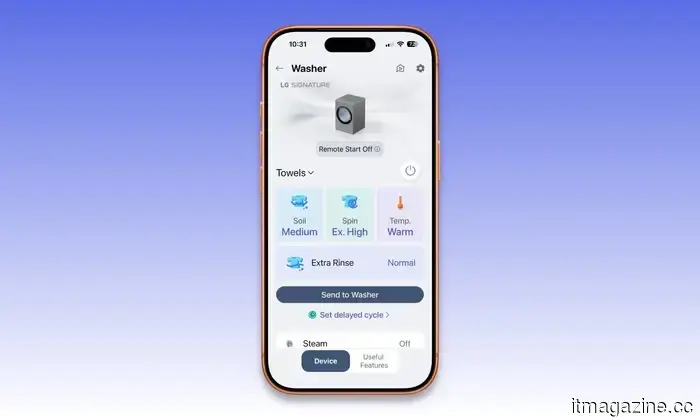 LG SIGNATURE WM9900HSA review: A washer that's just as enjoyable to use as it is aesthetically pleasing.
The impressive 5.8-cu-ft flagship washer from LG offers rapid, quiet, AI-driven cleaning and features months' worth of automatic soap dispensing, yet the beautiful LCD has difficulty in bright sunlight, and the placement of the drawer presents some risk.
LG SIGNATURE WM9900HSA review: A washer that's just as enjoyable to use as it is aesthetically pleasing.
The impressive 5.8-cu-ft flagship washer from LG offers rapid, quiet, AI-driven cleaning and features months' worth of automatic soap dispensing, yet the beautiful LCD has difficulty in bright sunlight, and the placement of the drawer presents some risk.
This VR empathy game might just be the beginning of something far more unsettling.
Rekindle employs facial recognition biometrics to transform emotions into gameplay, but this concept could ultimately advance emotion-sensitive technology in therapy, safety systems, and interfaces that monitor more than just clicks.