
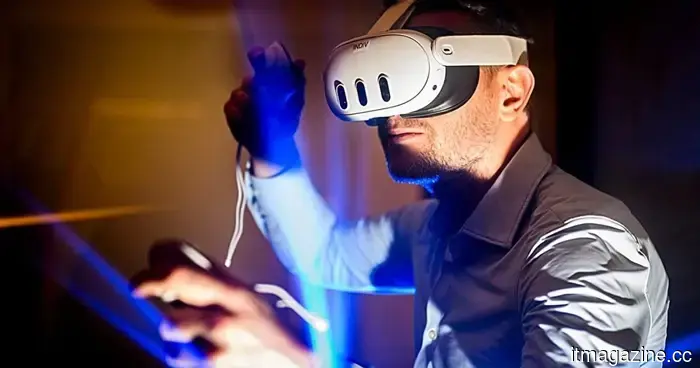
This virtual reality empathy game might be the beginning of something far more unsettling.
Rekindle utilizes facial recognition biometrics to enhance player engagement, and this concept could eventually influence therapeutic tools, safety systems, and emotionally responsive interfaces.
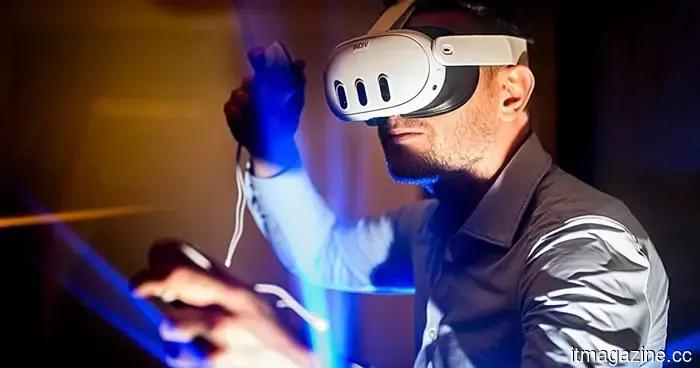
A new virtual reality empathy game named Rekindle incorporates facial expressions into its controls. Players are tasked with expressing emotions while the game observes their faces to see if their reactions align with the narrative.
The first-person experience revolves around themes of memory, identity, and empathy within the LGBTQ+ community. Players navigate a dystopian world where sexual identities have been targeted and erased, gathering fragments of memories linked to the protagonist's journey.
To progress, players must express emotions associated with those memories. This intriguing mechanism also serves as a somewhat unsettling glimpse of where emotion-tracking VR might head once it moves beyond the demo phase.
How a headset interprets feelings
Rekindle employs facial tracking technology embedded in a Samsung Galaxy XR headset. This system detects facial muscle movements, translates them into action units, and associates those signals with basic and complex emotions.
A smile, grimace, or expression of surprise serves as input. The game aims to determine if the player’s facial expressions align with the emotional tone of the scene, making the interaction more personal than merely pressing buttons.
This has the potential to make VR narratives feel more dynamic. However, it also means the headset is monitoring something more personal than hand movements, which could quickly become uncomfortable.
When empathy becomes a gameplay mechanic
The memories featured in Rekindle are not typical collectibles. They revolve around personal and culturally significant moments related to LGBTQ+ experiences, including painful reminders of violence against queer communities.
Players progress by emotionally responding to these memory fragments. Taking on perspectives is expressed through facial reactions rather than by selecting options from a menu.
This aspect introduces complexity to the experiment. A player from the community may react very differently than someone without that context. Future iterations could allow these emotional responses to influence the storyline, transforming discomfort or empathy into branching narrative pathways.
Rekindle remains a game for now, but researchers are already exploring applications beyond gaming. Similar technology could be utilized in VR exposure therapy or safety systems that monitor for fatigue or stress.
This is the trade-off with emotion-sensitive technology. A headset capable of sensing emotional resonance in a scene could make interactive narratives feel more lifelike. However, it could also push users to become accustomed to devices that track emotional cues in settings where a traditional controller already felt intrusive.
The next key issue to monitor isn’t whether this technology will function but rather when such emotional tracking becomes commonplace.
Paulo Vargas is an English major turned reporter to technical writer, with a career consistently circling back to…
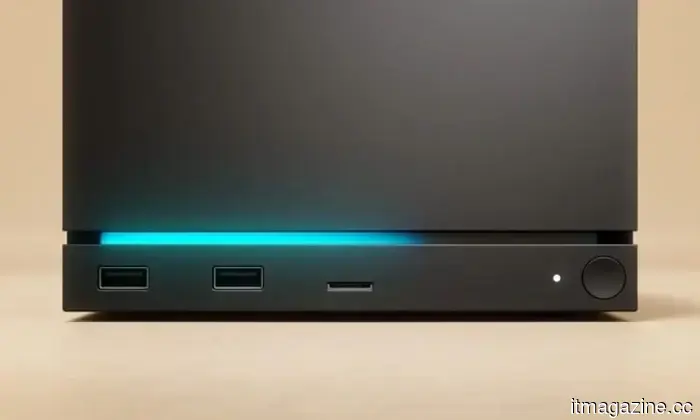
You can now install Windows on a Steam Machine for reasons only you understand
Official Windows drivers are finally available, despite SteamOS still being viewed as delivering superior gaming performance.
For years, Steam Machine owners have sought official Windows support, and Valve has finally delivered. The company has released a comprehensive set of Windows drivers for the Steam Machine, enabling the installation of Windows 11 without needing unofficial methods or lacking hardware support. This update includes drivers for the graphics, audio, Bluetooth, Wi-Fi, SD card reader, and other essential components, making Windows a more feasible option than before.
Windows on a Steam Machine is now officially supported.
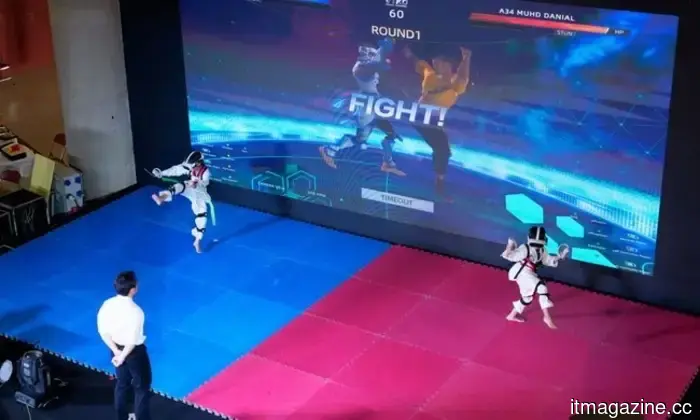
Virtual taekwondo may seem like a gimmick until it addresses the primary fear associated with combat sports
This non-contact VR discipline is gaining traction in Southeast Asia by maintaining the physical challenge while reducing the injury risks that deter many participants.
Virtual taekwondo sounds absurd at first. You don a headset, attach sensors to your body, kick at empty space, and label it a combat sport. Meanwhile, Wii Sports is quietly on the sidelines.
Athletes are still performing kicks, responding, and exerting themselves through the activity, but the interactions occur with avatars rather than actual bodies.
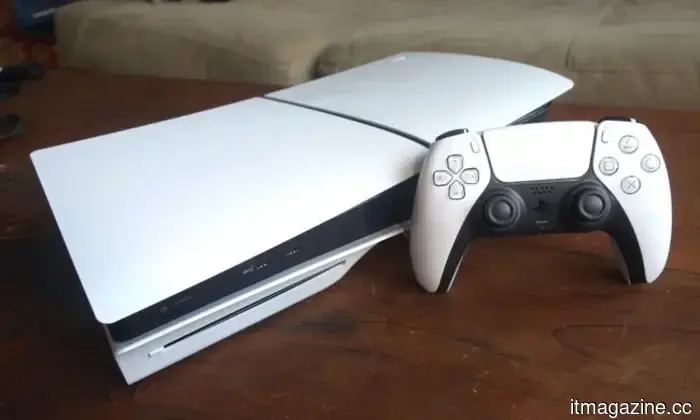
PlayStation’s move to eliminate discs may have surprised the very partners sustaining its gaming business
Sony's alleged transition away from physical discs has reportedly caught publishers, regional teams, and retail partners off guard, turning a gamer ownership dispute into a business trust concern.
PlayStation's reported decision to reduce its reliance on physical discs already seemed troublesome for gamers interested in ownership. Now, it appears complicated for the businesses expected to sell, support, and develop within Sony’s ecosystem.
Reports suggest that Sony's choice to stop producing physical discs for PS5, and likely PS6 in 2028, was made without prior consultation with publishers, business partners, or certain regional operations. If true, Sony has not only sparked another debate over PlayStation discs but also left parts of its gaming business scrambling after the announcement was made public.


Other articles
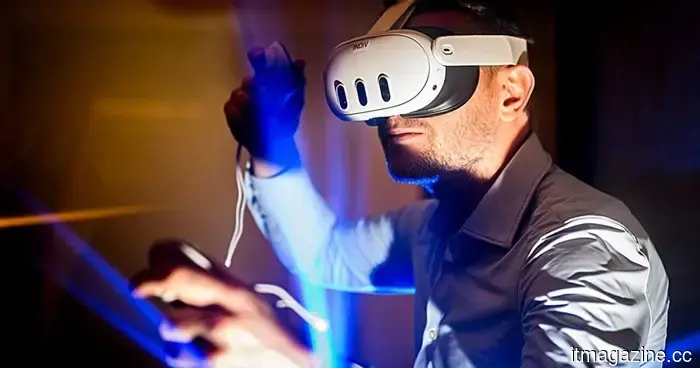
 This VR empathy game might just be the beginning of something far more unsettling.
Rekindle employs facial recognition biometrics to transform emotions into gameplay, but this concept could ultimately advance emotion-sensitive technology in therapy, safety systems, and interfaces that monitor more than just clicks.
This VR empathy game might just be the beginning of something far more unsettling.
Rekindle employs facial recognition biometrics to transform emotions into gameplay, but this concept could ultimately advance emotion-sensitive technology in therapy, safety systems, and interfaces that monitor more than just clicks.
 More than 100 autonomous ATVs manufactured in the US have been engaged in combat in Ukraine for the past nine months.
Forterra's Lancer vehicles accomplished 1,100 missions and 52 casualty evacuations in Ukraine. Soldiers continue to teleoperate these vehicles since their autonomous capabilities are unable to respond to threats.
More than 100 autonomous ATVs manufactured in the US have been engaged in combat in Ukraine for the past nine months.
Forterra's Lancer vehicles accomplished 1,100 missions and 52 casualty evacuations in Ukraine. Soldiers continue to teleoperate these vehicles since their autonomous capabilities are unable to respond to threats.
 Victims of Predatorgate file a lawsuit against the spyware company Intellexa.
Eight victims of Greece's Predatorgate scandal are taking legal action against spyware company Intellexa and 13 individuals, seeking €1 million each due to phone hacking incidents that occurred in 2020–2021.
Victims of Predatorgate file a lawsuit against the spyware company Intellexa.
Eight victims of Greece's Predatorgate scandal are taking legal action against spyware company Intellexa and 13 individuals, seeking €1 million each due to phone hacking incidents that occurred in 2020–2021.
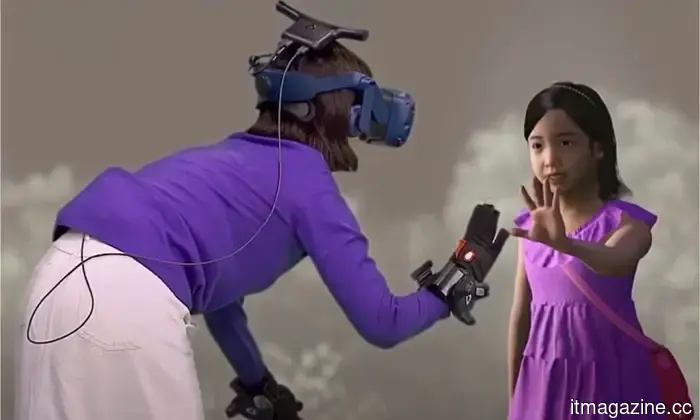
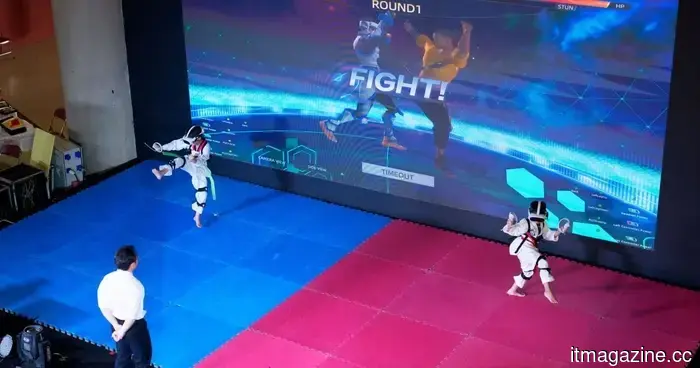 Virtual taekwondo may seem like a novelty, but it has the potential to address the most significant concern in combat sports.
Virtual taekwondo may seem like a VR novelty, but its non-contact style could make martial arts more accessible for children, hesitant newcomers, women, and older participants.
Virtual taekwondo may seem like a novelty, but it has the potential to address the most significant concern in combat sports.
Virtual taekwondo may seem like a VR novelty, but its non-contact style could make martial arts more accessible for children, hesitant newcomers, women, and older participants.
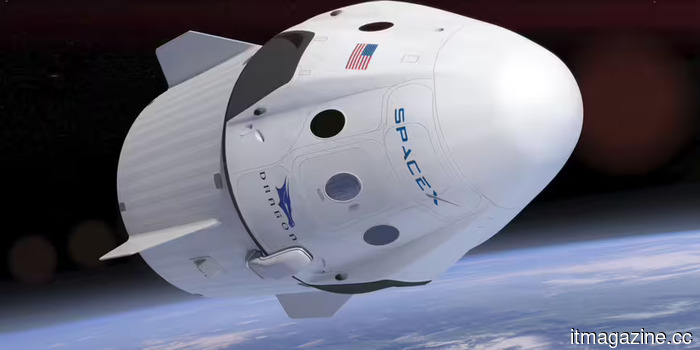 SpaceX's most optimistic supporter predicts a valuation of $10.5 trillion.
Raymond James set a Street-high target of $800 for SpaceX, suggesting a valuation of $10.5 trillion, coinciding with its inclusion in the Nasdaq 100. Meanwhile, Jeremy Grantham estimates a 90% chance of a market crash.
SpaceX's most optimistic supporter predicts a valuation of $10.5 trillion.
Raymond James set a Street-high target of $800 for SpaceX, suggesting a valuation of $10.5 trillion, coinciding with its inclusion in the Nasdaq 100. Meanwhile, Jeremy Grantham estimates a 90% chance of a market crash.
 Norm Ai secures $120 million at a valuation of $1.2 billion.
AI legal startup Norm Ai has successfully secured $120 million in a Series C funding round at a $1.2 billion valuation, with Khosla Ventures leading the investment. The company also operates its own AI-driven law firm, Norm Law.
Norm Ai secures $120 million at a valuation of $1.2 billion.
AI legal startup Norm Ai has successfully secured $120 million in a Series C funding round at a $1.2 billion valuation, with Khosla Ventures leading the investment. The company also operates its own AI-driven law firm, Norm Law.
This virtual reality empathy game might be the beginning of something far more unsettling.
Rekindle employs facial recognition biometrics to translate emotions into gameplay. However, this concept could also advance emotion-sensitive technology in areas like therapy, safety mechanisms, and user interfaces that monitor more than just clicks.