
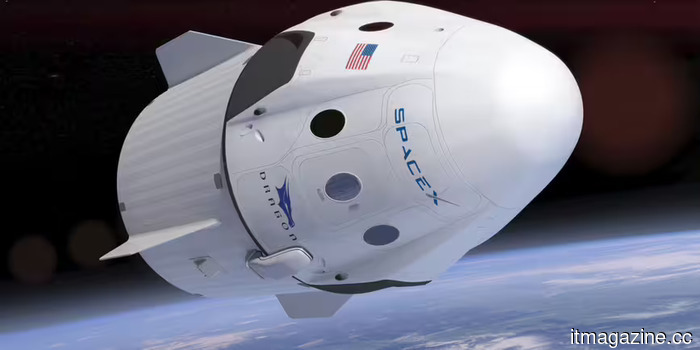
The most optimistic supporter of SpaceX predicts a valuation of $10.5 trillion.
SpaceX has recently been added to the Nasdaq 100. On the same day, an analyst from Wall Street assigned it a valuation of $10.5 trillion, while a prominent investor assessed the likelihood of a crash at 90 percent.
SpaceX has many supporters on Wall Street, with Raymond James analyst Brian Gesuale being one of the most enthusiastic. He initiated coverage this week with a price target of $800, according to Bloomberg, which surpasses other estimates and is approximately 430 percent higher than Tuesday’s price. Should it reach that target, SpaceX's valuation would be around $10.5 trillion, effectively doubling that of Nvidia, currently valued at $4.7 trillion. At present, however, SpaceX's value is below $2 trillion.
The speculation primarily hinges on artificial intelligence rather than rocket launches. The notable aspect of Gesuale's projection is his belief in how the revenue will be generated. Last year, SpaceX recorded $19 billion in revenue, and Gesuale anticipates this will escalate to $5.2 trillion by 2035, with very little of that stemming from rockets or Starlink. Instead, he predicts that SpaceX will provide computing power, initially through data centers on the ground before expanding to orbital servers. According to his estimates, AI could become the company's largest revenue source by 2027, making up approximately 94 percent of its earnings by 2035.
Many analysts agree with Gesuale. Bloomberg reports that 29 out of 35 analysts covering the stock recommend buying it. Morgan Stanley, JPMorgan, and Goldman Sachs all began coverage this week as well.
Conversely, there are strong opposing views. Jeremy Grantham, co-founder of GMO and known for his predictions about market bubbles, stated to Morningstar this week that a SpaceX crash seems 90 percent probable, as reported by Business Insider. Grantham described parts of the proposal as "utterly inconceivable" and critiqued SpaceX's AI capabilities as inferior to those of OpenAI and Anthropic. He dismissed ambitions of asteroid mining and colonizing Mars, expressing skepticism about the significant productivity increases implied in the forecasts. The company reported a loss of nearly $6 billion last year.
The importance of this debate lies in the true nature of SpaceX. Gesuale acknowledges the risks involved; a series of launch failures could drive the stock down to $125, below its $135 initial price, which could also negatively impact forecasts for orbital AI and Starlink Mobile.
In reality, the market reacted relatively calmly. SpaceX shares fell about 5 percent on Tuesday, dropping to around $151 as it joined the Nasdaq 100. This decline occurred even as index funds prepared to invest, as noted by The Information. Whether SpaceX is a rocket company, an AI company, or simply a bubble is a question that will take years to answer.
Другие статьи
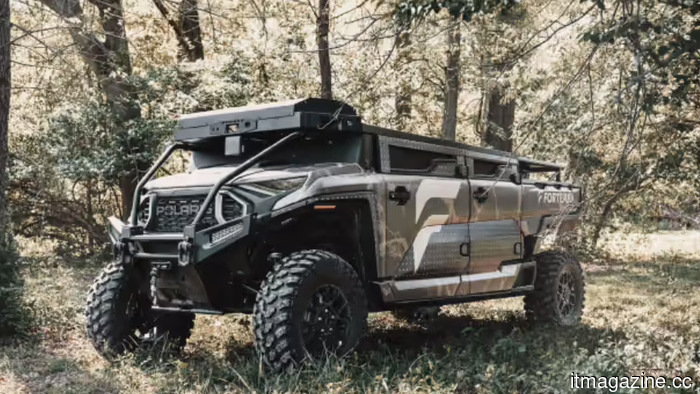 More than 100 autonomous ATVs manufactured in the US have been engaged in combat in Ukraine for the past nine months.
Forterra's Lancer vehicles accomplished 1,100 missions and 52 casualty evacuations in Ukraine. Soldiers continue to teleoperate these vehicles since their autonomous capabilities are unable to respond to threats.
More than 100 autonomous ATVs manufactured in the US have been engaged in combat in Ukraine for the past nine months.
Forterra's Lancer vehicles accomplished 1,100 missions and 52 casualty evacuations in Ukraine. Soldiers continue to teleoperate these vehicles since their autonomous capabilities are unable to respond to threats.
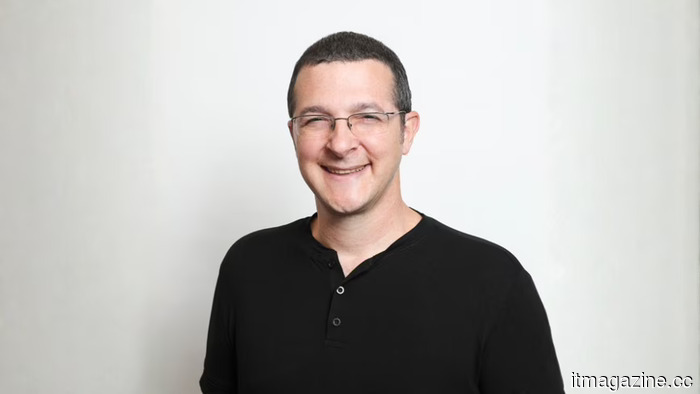 Hud CEO Roee Adler states that runtime intelligence will shape the future of software operations.
Roee Adler, the CEO of the Israeli startup Hud, contends that conventional observability is inadequate for AI coding agents. He believes that runtime intelligence, which captures production context at the function level, will be the architectural foundation that ensures reliable autonomous software delivery.
Hud CEO Roee Adler states that runtime intelligence will shape the future of software operations.
Roee Adler, the CEO of the Israeli startup Hud, contends that conventional observability is inadequate for AI coding agents. He believes that runtime intelligence, which captures production context at the function level, will be the architectural foundation that ensures reliable autonomous software delivery.
 Why hackers are focusing on your digital supply chain rather than solely on your systems.
Cyberattacks on supply chains are evading internal protections by taking advantage of trusted third-party suppliers. Recent cases, such as the XZ Utils backdoor and the Marks and Spencer MoveIt breach, demonstrate how attackers exploit the supplier network to indirectly infiltrate organizations.
Why hackers are focusing on your digital supply chain rather than solely on your systems.
Cyberattacks on supply chains are evading internal protections by taking advantage of trusted third-party suppliers. Recent cases, such as the XZ Utils backdoor and the Marks and Spencer MoveIt breach, demonstrate how attackers exploit the supplier network to indirectly infiltrate organizations.
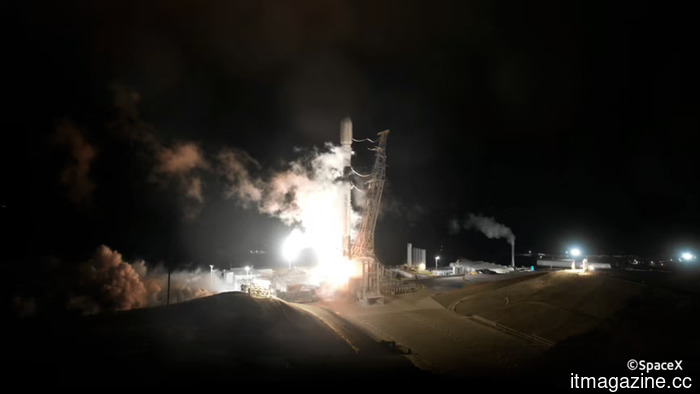 Romania spearheads its inaugural private ESA mission through the launch of CyberCUBE.
CyberCUBE, an orbital cybersecurity testbed operated by GMV Romania, has been launched aboard a Falcon 9. This marks the first ESA mission led by a Romanian firm.
Romania spearheads its inaugural private ESA mission through the launch of CyberCUBE.
CyberCUBE, an orbital cybersecurity testbed operated by GMV Romania, has been launched aboard a Falcon 9. This marks the first ESA mission led by a Romanian firm.
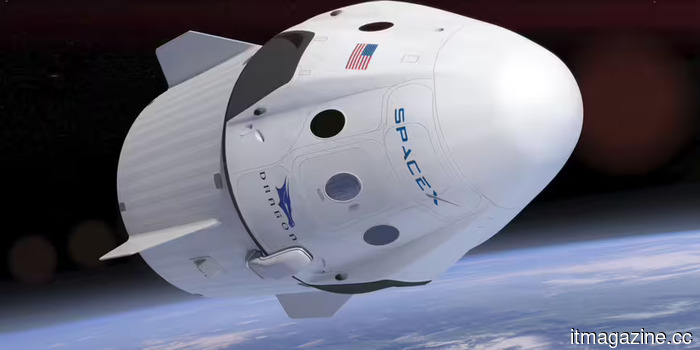 SpaceX's most optimistic supporter predicts a valuation of $10.5 trillion.
Raymond James set a Street-high target of $800 for SpaceX, suggesting a valuation of $10.5 trillion, coinciding with its inclusion in the Nasdaq 100. Meanwhile, Jeremy Grantham estimates a 90% chance of a market crash.
SpaceX's most optimistic supporter predicts a valuation of $10.5 trillion.
Raymond James set a Street-high target of $800 for SpaceX, suggesting a valuation of $10.5 trillion, coinciding with its inclusion in the Nasdaq 100. Meanwhile, Jeremy Grantham estimates a 90% chance of a market crash.
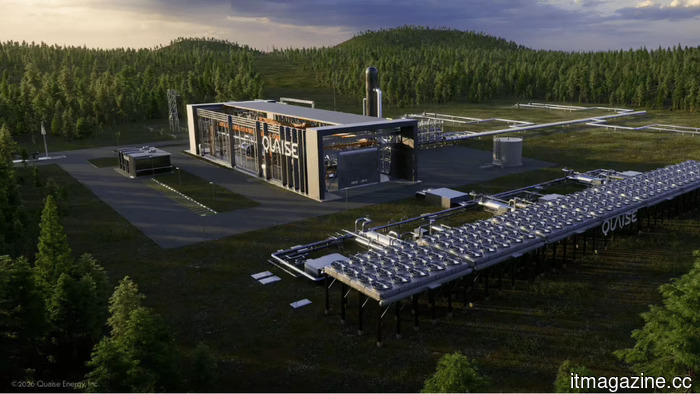 Quaise secures $134 million for superhot geothermal drilling.
Geothermal startup Quaise Energy has secured a $134 million initial close of its Series B funding round, with Prelude Ventures leading the investment, to drill into superhot rock using millimeter-wave beams.
Quaise secures $134 million for superhot geothermal drilling.
Geothermal startup Quaise Energy has secured a $134 million initial close of its Series B funding round, with Prelude Ventures leading the investment, to drill into superhot rock using millimeter-wave beams.
The most optimistic supporter of SpaceX predicts a valuation of $10.5 trillion.
Raymond James set a Street-high target of $800 for SpaceX, suggesting a valuation of $10.5 trillion, as the company became part of the Nasdaq 100. Meanwhile, Jeremy Grantham estimates the likelihood of a crash at 90%.