
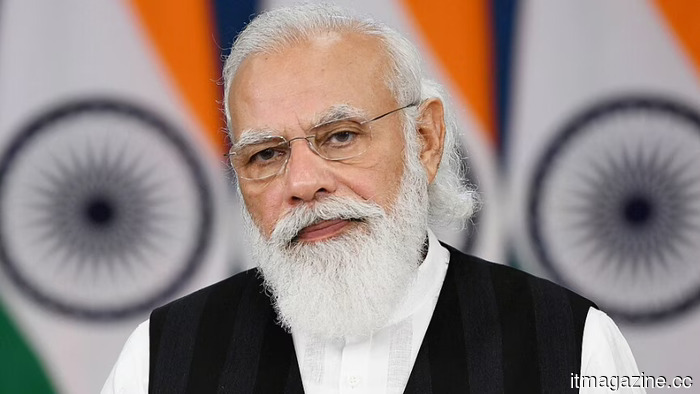
India's CG Semi has commenced chip manufacturing in Gujarat.
Prime Minister Narendra Modi has launched commercial production at CG Semi’s $870 million OSAT facility in Sanand, Gujarat. The plant is set to initially package 200 million chips annually, with plans to increase capacity to 500 million. This facility marks the third packaging plant to become operational under the India Semiconductor Mission, following the establishments of Micron and Kaynes Semicon.
CG Semi's plant is dedicated to outsourced semiconductor assembly and testing (OSAT), focusing on the packaging and testing segment of the chip supply chain rather than the initial silicon fabrication. CG Semi is a collaboration between CG Power and Industrial Solutions from Mumbai, Japan’s Renesas Electronics, and Thailand’s Stars Microelectronics, with CG Power owning 92.3% of the venture. The project is investing INR 7,600 crore (approximately $870 million) over five years.
Under the India Semiconductor Mission, the Indian government is subsidizing up to $404 million, covering as much as half of the eligible capital expenditures. This initiative has also attracted Intel and 3DGS for a $3.3 billion glass-substrate plant in Odisha.
Chips produced at the Sanand facility will be utilized in vehicles, scooters, and industrial machinery, with a significant portion destined for export to Japan, the US, and Europe. Local reports suggest that the project is expected to generate around 5,000 direct and indirect jobs over the next five years.
CG Semi's plant isn’t the first packaging plant to open in India; Micron began operations at its Sanand facility in February, followed by Kaynes Semicon in March. In Gujarat, six semiconductor projects totaling approximately $14.7 billion have received approval, including investments from Tata Electronics and Suchi Semicon, establishing Sanand as India’s first chip packaging cluster.
Once fully operational, CG Semi anticipates the site will manage 15 million units per day, yielding a peak annual capacity of about 4.7 billion chips. It will manufacture legacy packaging types such as QFN and QFP, alongside advanced formats like FC BGA and FC CSP for automotive, consumer, industrial, and 5G clients.
This launch aligns with a broader strategy to bolster semiconductor growth in India. Modi has actively engaged tech giants like Amazon, Google, and Reliance for substantial AI infrastructure investments and has joined the US-led Pax Silica alliance focused on chip supply chains. Governments worldwide are providing subsidies for local chip manufacturing, exemplified by the EU’s major fab in Dresden and the US CHIPS Act, as part of an escalating competition for technological dominance. India’s strategy prioritizes mastering packaging first before moving on to fabrication. During the inauguration speech, Modi described the expansion of the semiconductor sector as the next step in the “Make in India” initiative and committed to developing the entire electronics value chain. The effectiveness of Sanand’s packaging operations in realizing this ambition will unfold over the coming years.
Other articles
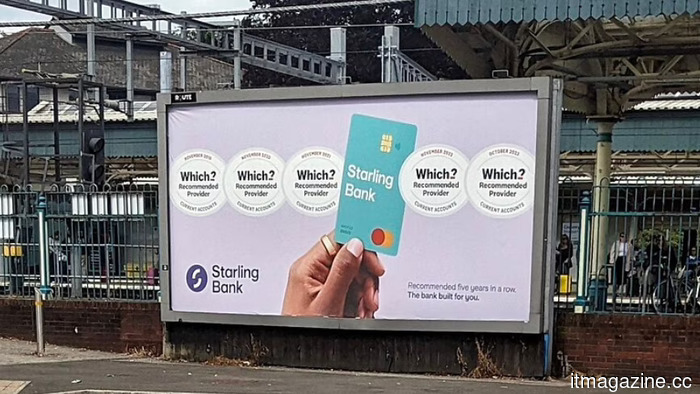 Starling Bank eliminates 130 positions as part of its AI initiatives and restructuring efforts.
London-based neobank Starling is reducing its workforce by 3% as it experiences a decline in profits for the second consecutive year. At the same time, it is recruiting AI engineers and broadening its Engine SaaS platform into the United States.
Starling Bank eliminates 130 positions as part of its AI initiatives and restructuring efforts.
London-based neobank Starling is reducing its workforce by 3% as it experiences a decline in profits for the second consecutive year. At the same time, it is recruiting AI engineers and broadening its Engine SaaS platform into the United States.
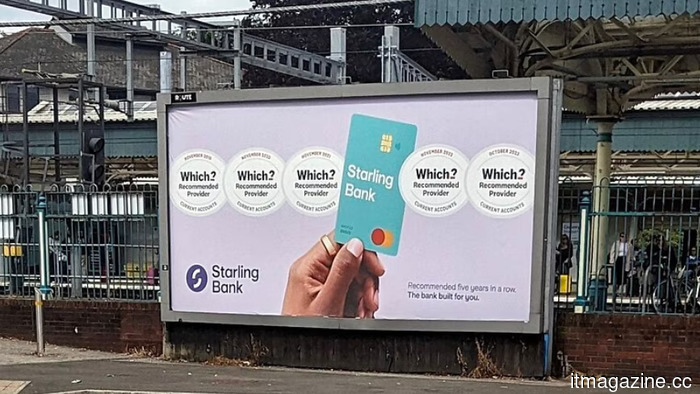 Starling Bank eliminates 130 positions as part of its AI and restructuring initiative.
London-based neobank Starling is reducing its workforce by 3% due to a decline in profits for the second consecutive year. At the same time, it is bringing on AI engineers and growing its Engine SaaS platform in the United States.
Starling Bank eliminates 130 positions as part of its AI and restructuring initiative.
London-based neobank Starling is reducing its workforce by 3% due to a decline in profits for the second consecutive year. At the same time, it is bringing on AI engineers and growing its Engine SaaS platform in the United States.
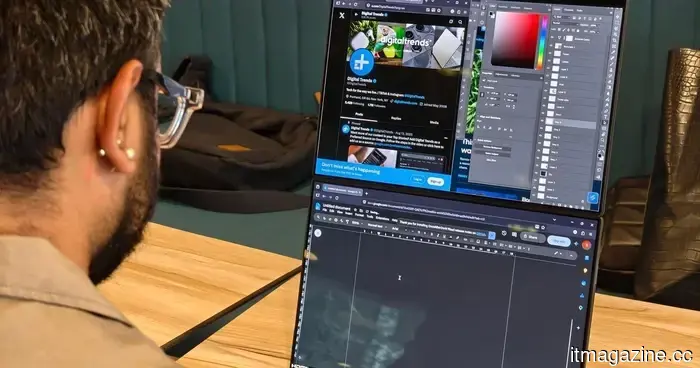 I utilized ASUS' dual-screen laptop as a mobile creative hub, and my desktop PC began to gather dust.
The ASUS Zenbook Duo UX8407AA features two OLED touchscreens, supports pen input, and includes a detachable keyboard, offering a versatile mobile configuration for designers and multitaskers.
I utilized ASUS' dual-screen laptop as a mobile creative hub, and my desktop PC began to gather dust.
The ASUS Zenbook Duo UX8407AA features two OLED touchscreens, supports pen input, and includes a detachable keyboard, offering a versatile mobile configuration for designers and multitaskers.
 Hong Kong accounts for more than 50% of China's chip imports.
In five months, Hong Kong re-exported $124 billion worth of chips to China, accounting for 52% of the mainland's total, as the AI surge establishes the city as Asia's primary semiconductor center.
Hong Kong accounts for more than 50% of China's chip imports.
In five months, Hong Kong re-exported $124 billion worth of chips to China, accounting for 52% of the mainland's total, as the AI surge establishes the city as Asia's primary semiconductor center.
 Hong Kong manages more than 50% of China's chip imports.
In five months, Hong Kong re-exported $124 billion worth of chips to China, which accounted for 52% of the mainland's total, as the AI boom positions the city as Asia's central semiconductor hub.
Hong Kong manages more than 50% of China's chip imports.
In five months, Hong Kong re-exported $124 billion worth of chips to China, which accounted for 52% of the mainland's total, as the AI boom positions the city as Asia's central semiconductor hub.
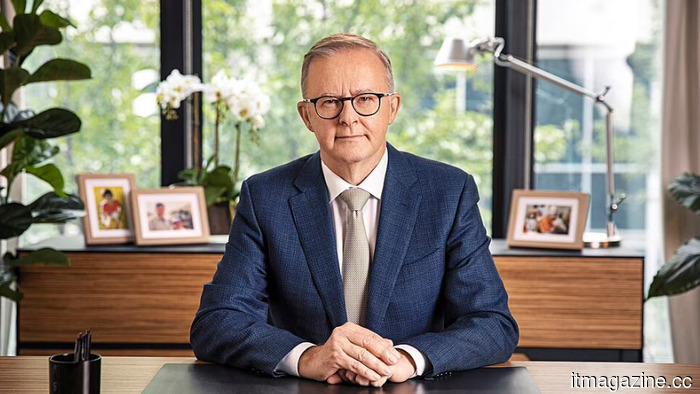 Australia's prohibition on children's access to social media is not succeeding. The Senate has postponed the resolution.
Seven out of ten children remain on restricted platforms seven months following Australia's ban on social media for those under 16. The Senate recently rejected amendments aimed at enhancing enforcement.
Australia's prohibition on children's access to social media is not succeeding. The Senate has postponed the resolution.
Seven out of ten children remain on restricted platforms seven months following Australia's ban on social media for those under 16. The Senate recently rejected amendments aimed at enhancing enforcement.
India's CG Semi has commenced chip manufacturing in Gujarat.
Modi inaugurates CG Semi's $870 million OSAT facility in Sanand, which will package 200 million chips annually at its inception, as India's semiconductor initiative accelerates.