
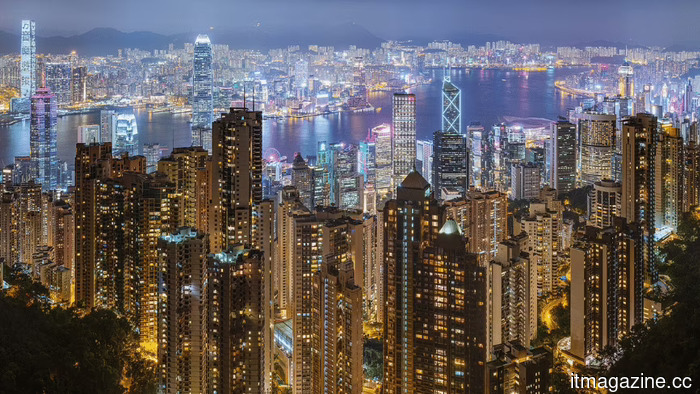
Hong Kong accounts for more than 50% of China's chip imports.
**TL;DR:** In the first five months of 2026, Hong Kong managed over half of China's $239 billion chip imports, marking a record proportion as AI demand transforms trade in Asia. The city’s status as a free port and its air cargo capabilities have positioned it as a vital semiconductor intermediary, although this role makes it vulnerable to US-China tensions.
Hong Kong has developed into the primary conduit for high-tech products entering and exiting China, with its chip trade reaching unprecedented heights. The city contributed over half of China's semiconductor imports, totaling $239 billion in early 2026, based on a Bloomberg analysis of official statistics. This share was only a third ten years prior. Between January and May, Hong Kong re-exported $124 billion worth of chips to the mainland, amounting to around 52% of China's total acquisitions.
Official data released in late June showed the city's trade with China surged nearly 50% in May compared to a year ago, the fastest growth rate since 1992, excluding the pandemic years.
Hong Kong's robust air cargo network and free-port designation have established it as an ideal trading hub for semiconductors, which are both high-value and lightweight, according to Natixis senior economist Gary Ng. Chip manufacturers can ship frequently through Hong Kong or store goods for future sales with greater flexibility.
The former British colony serves as a free port, free of import tariffs and capital controls, unlike mainland China’s financial regulations and bureaucracy. This has made it an essential player in the AI-driven commercial landscape developing across Asia, where countries like South Korea are investing heavily in chips and data centers.
HSBC economists estimate that AI-related trade in Asia has doubled since before the pandemic, reaching nearly $2 trillion in 2025. Last year, Hong Kong alone exported approximately $159 billion in AI-related products, ranking fifth in Asia and surpassing Japan.
“Hong Kong excels at facilitating the movement of AI goods rather than manufacturing them,” noted Oxford Economics economist Yongshi Mai. AI-related electronics now represent 57% of the city's exports, up from 44% in 2024, according to research from the Hong Kong Trade Development Council (HKTDC), with Barclays estimating the share could be as high as 70%.
This week, the council significantly increased its 2026 export growth forecast for the city to over 20%, attributing it to an AI-driven “technology upcycle.” The surge contributed to a 5.9% economic expansion in Hong Kong during the first quarter, the fastest growth in almost five years.
However, acting as a middleman has its downsides. Hong Kong lacks the chip manufacturing facilities found in Taiwan and South Korea and does not possess the size of the mainland market, making it susceptible to the US-China chip conflict.
During Donald Trump’s first term, the US revoked Hong Kong's special customs status, treating it as part of China. As Trump enforced tighter restrictions on China's access to advanced US chips upon his return to the presidency, Hong Kong increased its imports of American-made semiconductors, often sourced from third countries. Bloomberg indicates that these chips likely fall outside of stricter controls, although specifics on the models remain unclear. There is growing scrutiny on Asian transshipment routes, with US and Taiwanese authorities investigating alleged smuggling of Nvidia chips through the region.
Mainland companies might prefer working through Hong Kong intermediaries due to easier payment and currency conversion processes compared to dealing directly with foreign suppliers. "As a middleman, Hong Kong has found ways to manage payments," stated Charles Mok, a Stanford University research scholar and former Hong Kong lawmaker.
Geopolitical tensions highlight the necessity for the city to seek new markets, with Chief Executive John Lee leading trade missions to the Middle East, Central Asia, and Southeast Asia. His visit to Kazakhstan and Uzbekistan in June resulted in 96 agreements valued over $1.65 billion.
Currently, AI remains the primary growth area, with around 40% of the chips handled by Hong Kong sourced from China, 20% from Taiwan, followed by suppliers in Singapore and South Korea. According to Bloomberg's calculations, Hong Kong has overtaken the mainland as Taiwan's leading chip export market, although this change isn't reflected yet in Taiwan’s trade statistics.
China's semiconductor exports surged 111% in May to $36 billion, the highest growth rate since 2013, despite the mainland being a net importer of advanced chips while striving to build its domestic alternatives. In May alone, Hong Kong imported over $40 billion in Chinese exports, the largest monthly total since 2015, with semiconductors constituting more than a third of this export value, based on Chinese customs data.
In contrast, Hong Kong’s role as a middleman has diminished over the years in ocean freight, as mainland ports in Shanghai, Ningbo, and Shenzhen increasingly ship goods directly to global markets. Nevertheless, the city has maintained its position in the highest-value trades. Its common
Other articles
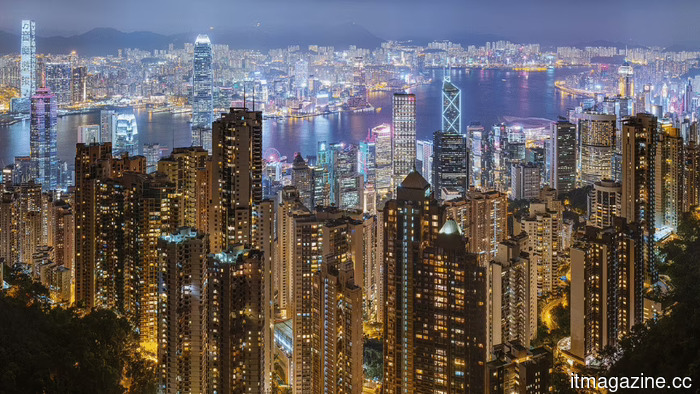 Hong Kong manages more than 50% of China's chip imports.
In five months, Hong Kong re-exported $124 billion worth of chips to China, which accounted for 52% of the mainland's total, as the AI boom positions the city as Asia's central semiconductor hub.
Hong Kong manages more than 50% of China's chip imports.
In five months, Hong Kong re-exported $124 billion worth of chips to China, which accounted for 52% of the mainland's total, as the AI boom positions the city as Asia's central semiconductor hub.
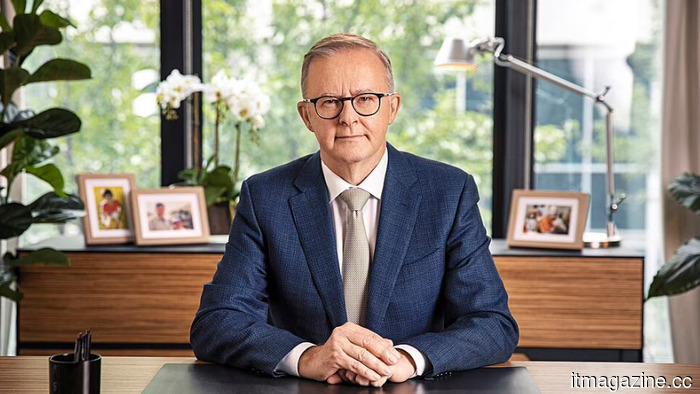 Australia's prohibition on children's access to social media is not succeeding. The Senate has postponed the resolution.
Seven out of ten children remain on restricted platforms seven months following Australia's ban on social media for those under 16. The Senate recently rejected amendments aimed at enhancing enforcement.
Australia's prohibition on children's access to social media is not succeeding. The Senate has postponed the resolution.
Seven out of ten children remain on restricted platforms seven months following Australia's ban on social media for those under 16. The Senate recently rejected amendments aimed at enhancing enforcement.
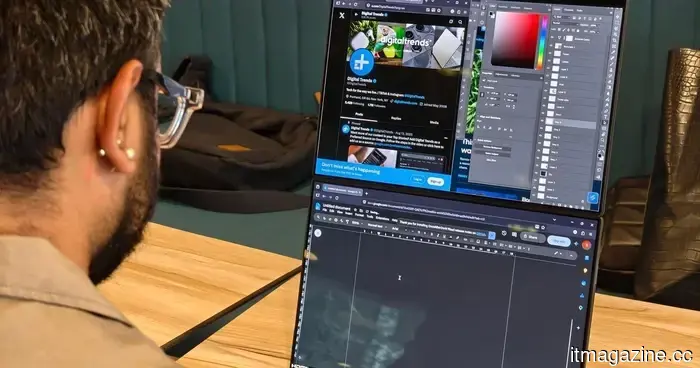 I utilized ASUS' dual-screen laptop as a mobile creative hub, and my desktop PC began to gather dust.
The ASUS Zenbook Duo UX8407AA features two OLED touchscreens, supports pen input, and includes a detachable keyboard, offering a versatile mobile configuration for designers and multitaskers.
I utilized ASUS' dual-screen laptop as a mobile creative hub, and my desktop PC began to gather dust.
The ASUS Zenbook Duo UX8407AA features two OLED touchscreens, supports pen input, and includes a detachable keyboard, offering a versatile mobile configuration for designers and multitaskers.
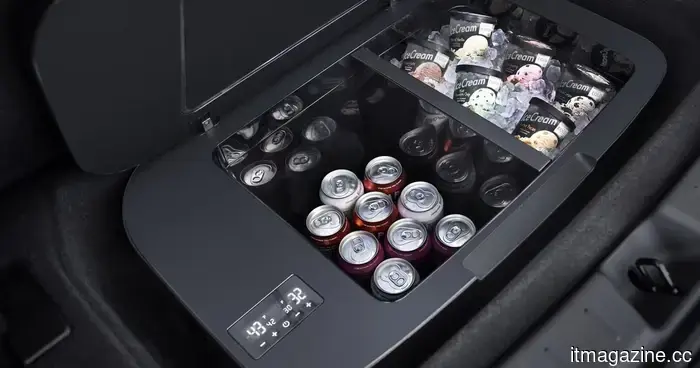 You can now purchase a frunk fridge for your Model Y directly from Tesla.
Tesla has refreshed its store with a new Summer Collection, which includes a $595 Dual Zone Fridge designed specifically to fit in the Model Y's frunk.
You can now purchase a frunk fridge for your Model Y directly from Tesla.
Tesla has refreshed its store with a new Summer Collection, which includes a $595 Dual Zone Fridge designed specifically to fit in the Model Y's frunk.
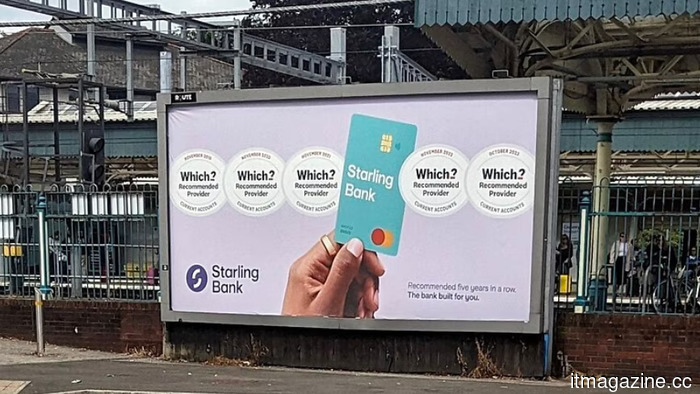 Starling Bank eliminates 130 positions as part of its AI and restructuring initiative.
London-based neobank Starling is reducing its workforce by 3% due to a decline in profits for the second consecutive year. At the same time, it is bringing on AI engineers and growing its Engine SaaS platform in the United States.
Starling Bank eliminates 130 positions as part of its AI and restructuring initiative.
London-based neobank Starling is reducing its workforce by 3% due to a decline in profits for the second consecutive year. At the same time, it is bringing on AI engineers and growing its Engine SaaS platform in the United States.
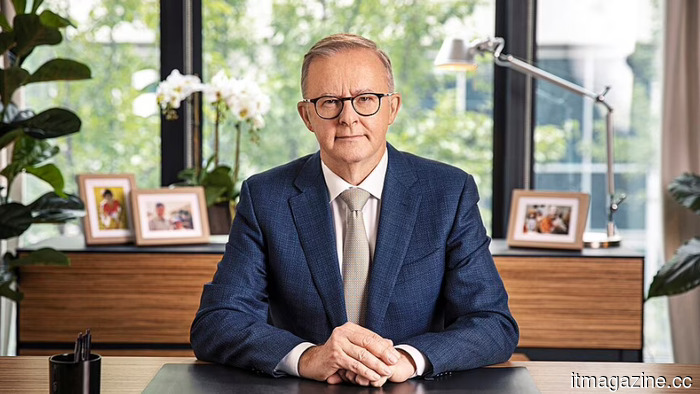 Australia's prohibition on children's use of social media is not succeeding. The Senate postponed the solution.
Seventy percent of children are still subject to restrictions on platforms seven months following Australia's social media ban for those under 16. The Senate has recently rejected amendments aimed at enhancing enforcement.
Australia's prohibition on children's use of social media is not succeeding. The Senate postponed the solution.
Seventy percent of children are still subject to restrictions on platforms seven months following Australia's social media ban for those under 16. The Senate has recently rejected amendments aimed at enhancing enforcement.
Hong Kong accounts for more than 50% of China's chip imports.
In five months, Hong Kong re-exported $124 billion worth of chips to China, accounting for 52% of the mainland's total, as the AI surge establishes the city as Asia's primary semiconductor center.