

Australia's prohibition on children's access to social media is not succeeding. The Senate has postponed the resolution.
TL;DR: Australia's Senate has blocked amendments aimed at strengthening the groundbreaking child social media ban, leading to an eight-week inquiry into the bill. Since the ban was enacted in December, 70% of children with accounts at that time are still using restricted platforms.
Australian Prime Minister Anthony Albanese criticized senators for obstructing the amendments to the nation's pioneering social media ban for children, cautioning that this delay might allow tech companies to dispose of evidence against them. On Thursday, the conservative Liberal Party and the minor Greens party moved the legislation to an eight-week Senate inquiry.
The proposed amendments would have increased the authority of eSafety Commissioner Julie Inman Grant, Australia’s online safety regulator, to enforce the ban preventing children under 16 from having accounts on platforms such as Facebook, Instagram, and YouTube since December.
The enforcement issue
While the ban appeared effective in theory, the government initially reported over five million accounts of under-16s were removed, deactivated, or restricted after the law's implementation on December 10. However, the reality was quite different. The eSafety Commissioner revealed in March that 70% of children who had accounts on restricted platforms when the ban started were still active on Facebook, Instagram, Snapchat, and TikTok. Most had simply reported being over 16 or submitted selfies that the platforms accepted as verification.
In April, Commissioner Inman Grant indicated that she was contemplating legal action against those four platforms and YouTube, accusing them of failing to take adequate measures to prevent children's access. She expressed satisfaction with the progress made by the other five restricted platforms: X, Kick, Reddit, Threads, and Twitch.
Proposed changes from the amendments
The existing law allows the commissioner to demand information from platforms but not internal documents. The amendments would address this gap, enabling her to require internal records, board minutes, and communications detailing how platforms have responded to the ban. The bill would also permit the commissioner to request information from third-party age verification providers to verify the accuracy of platforms' claims regarding underage circumvention. Proposed maximum fines would increase from A$49.5 million to A$99 million (US$68 million).
“If it had been passed yesterday, that would have marked the start date for these demands that could be made by the commissioner,” Albanese stated to the Australian Broadcasting Corp. “Thus, fines could be imposed.”
Who opposed it and their reasons
The centre-left Labor government does not possess a majority in the Senate. The Liberal opposition and the Greens, who have consistently opposed the ban, collaborated to refer the bill to an inquiry, despite previously supporting the original legislation overwhelmingly in 2024. Opposition communications spokesperson Sarah Henderson criticized the amendments, stating that they “need to be tougher,” describing the ban as “a half-baked law that is poorly designed, rushed, badly implemented, and ineffective.” Greens Senator David Shoebridge questioned the necessity of doubling a fine that has never been enforced.
The global perspective
Australia’s difficulties have not deterred other nations from adopting similar measures. In June, the UK announced plans to prohibit under-16s from using social media apps, including TikTok, Instagram, and YouTube, with restrictions set to be implemented in spring 2027. France, Denmark, Spain, and several other European nations have also introduced or announced similar age restrictions. However, they will face the same challenges that Australia has been grappling with for seven months.
Enacting the law is relatively straightforward; however, ensuring platform compliance, proving non-compliance, and developing effective age verification systems that do not compromise privacy are the major hurdles for all child safety initiatives. Communications Minister Anika Wells mentioned this week that she has been receiving monthly updates from the eSafety Commissioner since March, stating, “We are not seeing improvements.”
Other articles
 Australia's prohibition on children's use of social media is not succeeding. The Senate postponed the solution.
Seventy percent of children are still subject to restrictions on platforms seven months following Australia's social media ban for those under 16. The Senate has recently rejected amendments aimed at enhancing enforcement.
Australia's prohibition on children's use of social media is not succeeding. The Senate postponed the solution.
Seventy percent of children are still subject to restrictions on platforms seven months following Australia's social media ban for those under 16. The Senate has recently rejected amendments aimed at enhancing enforcement.
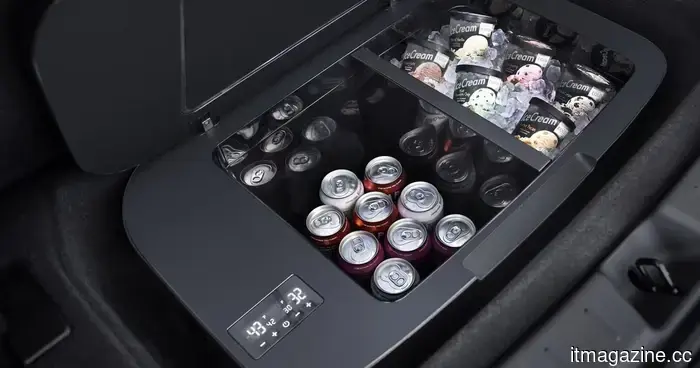 You can now purchase a frunk fridge for your Model Y directly from Tesla.
Tesla has refreshed its store with a new Summer Collection, which includes a $595 Dual Zone Fridge designed specifically to fit in the Model Y's frunk.
You can now purchase a frunk fridge for your Model Y directly from Tesla.
Tesla has refreshed its store with a new Summer Collection, which includes a $595 Dual Zone Fridge designed specifically to fit in the Model Y's frunk.
 Android 17 presents a compelling argument for disregarding Android version numbers altogether.
Android 17 includes some beneficial updates, but when the most significant everyday enhancement is a Quick Settings button that actually makes sense again, the yearly version number begins to seem rather insignificant.
Android 17 presents a compelling argument for disregarding Android version numbers altogether.
Android 17 includes some beneficial updates, but when the most significant everyday enhancement is a Quick Settings button that actually makes sense again, the yearly version number begins to seem rather insignificant.
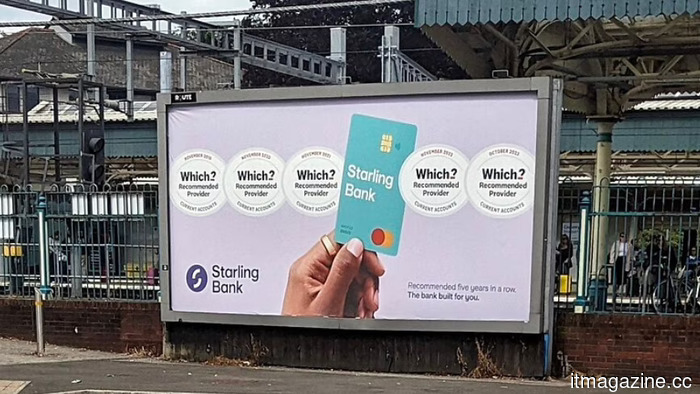 Starling Bank eliminates 130 positions as part of its AI initiatives and restructuring efforts.
London-based neobank Starling is reducing its workforce by 3% as it experiences a decline in profits for the second consecutive year. At the same time, it is recruiting AI engineers and broadening its Engine SaaS platform into the United States.
Starling Bank eliminates 130 positions as part of its AI initiatives and restructuring efforts.
London-based neobank Starling is reducing its workforce by 3% as it experiences a decline in profits for the second consecutive year. At the same time, it is recruiting AI engineers and broadening its Engine SaaS platform into the United States.
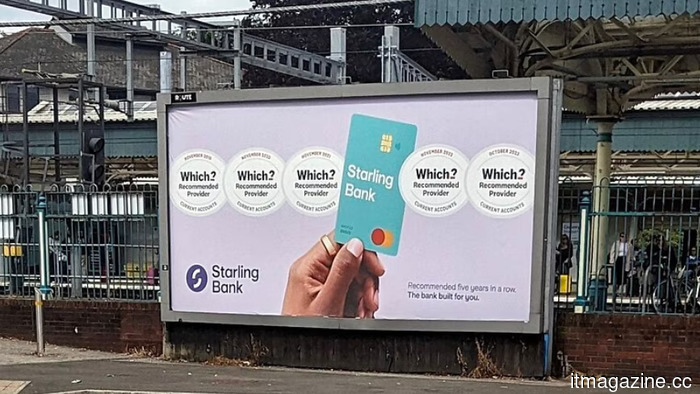 Starling Bank eliminates 130 positions as part of its AI and restructuring initiative.
London-based neobank Starling is reducing its workforce by 3% due to a decline in profits for the second consecutive year. At the same time, it is bringing on AI engineers and growing its Engine SaaS platform in the United States.
Starling Bank eliminates 130 positions as part of its AI and restructuring initiative.
London-based neobank Starling is reducing its workforce by 3% due to a decline in profits for the second consecutive year. At the same time, it is bringing on AI engineers and growing its Engine SaaS platform in the United States.
 Hong Kong manages more than 50% of China's chip imports.
In five months, Hong Kong re-exported $124 billion worth of chips to China, which accounted for 52% of the mainland's total, as the AI boom positions the city as Asia's central semiconductor hub.
Hong Kong manages more than 50% of China's chip imports.
In five months, Hong Kong re-exported $124 billion worth of chips to China, which accounted for 52% of the mainland's total, as the AI boom positions the city as Asia's central semiconductor hub.
Australia's prohibition on children's access to social media is not succeeding. The Senate has postponed the resolution.
Seven out of ten children remain on restricted platforms seven months following Australia's ban on social media for those under 16. The Senate recently rejected amendments aimed at enhancing enforcement.