

The Chevy Silverado EV is considered one of the finest electric trucks ever made, so why aren’t more people purchasing it?
**TL;DR** The Silverado EV boasts a range of 410 miles and receives positive reviews, yet only 14,000 units were sold last year due to concerns about pricing and towing capabilities. General Motors reported approximately 14,000 Chevrolet Silverado EVs sold in the U.S. and Canada in the past year, as per GM Authority sales data. In comparison, the gas-powered Silverado outsells it by over ten times in just one quarter. This disparity between the Silverado EV, which reviewers label as one of the top electric trucks available, and its actual sales reflects a key challenge in the electric vehicle truck market in America.
The situation continues to deteriorate, with sales of the Silverado EV dropping by 41 percent year-over-year in the first quarter of 2026, and GM's overall EV demand also fell into the second quarter. Earlier this year, the company halted development of its next-generation full-size electric truck and SUV program indefinitely, incurring roughly eight billion dollars in EV-related losses in 2025 due to scrapped production plans and canceled battery contracts.
On paper, the Silverado EV seems like an attractive option. Its LT Extended Range trim offers an estimated 410 miles on a full charge from a 205 kilowatt-hour battery pack, the largest in any commercial pickup. It features GM's Super Cruise hands-free driving technology, a Google-powered infotainment system, and a sticker price of about $71,000, which is only around $5,000 more than the average price of a full-size pickup according to TechCrunch, citing CEIC data.
The issue arises when the truck is used for its intended purpose. Towing reduces the range by approximately 60 percent, limiting a fully loaded Silverado EV to about 160 miles before requiring a recharge. According to data from a Strategic Vision survey, 75 percent of truck owners tow no more than once a year, making this limitation acceptable for many; however, it becomes a significant deterrent for regular haulers.
Pricing also presents a challenge. The $71,000 LT Extended Range is close to the average gas-powered truck price, but the LT Max Range variant costs approximately $20,000 more and only adds 68 miles to the range. This pricing places the Silverado EV in competition with luxury SUVs rather than conventional work trucks, and the previously available federal tax credit has expired.
GM is betting that its new lithium-manganese-rich battery technology will reduce battery costs by at least $6,000 while maintaining most of the range, but LMR cells are not anticipated to be available in trucks until 2028. The Ford F-150 Lightning faces similar cost and range issues, and Ram's electric truck has experienced multiple delays. The American pickup market generates substantial revenue, but sales of electric models remain minimal, awaiting a shift in cost dynamics to align with advancements in engineering.
Other articles
 Why developing AI for educational institutions is more challenging than creating a chatbot: an overview of Smartschool's strategy for exam preparation.
Smartschool, an edtech startup from Palo Alto established by three Polish entrepreneurs, developed a proprietary mathematical reasoning engine that boasts a 99.6 percent accuracy rate for high school mathematics. This technology has been embraced by 30 school districts in the United States, including New York City and Boston.
Why developing AI for educational institutions is more challenging than creating a chatbot: an overview of Smartschool's strategy for exam preparation.
Smartschool, an edtech startup from Palo Alto established by three Polish entrepreneurs, developed a proprietary mathematical reasoning engine that boasts a 99.6 percent accuracy rate for high school mathematics. This technology has been embraced by 30 school districts in the United States, including New York City and Boston.
 This flower identification app transforms each stroll into a Pokémon Go experience for plants.
Flormie transforms flower identification into a more relaxed collection experience similar to Pokémon Go, encouraging iPhone users to scan, save, and appreciate real flowers on their daily walks, all without the typical chaos of social games.
This flower identification app transforms each stroll into a Pokémon Go experience for plants.
Flormie transforms flower identification into a more relaxed collection experience similar to Pokémon Go, encouraging iPhone users to scan, save, and appreciate real flowers on their daily walks, all without the typical chaos of social games.
 Palantir's CEO invested $200 million in properties that are untraceable.
Alex Karp purchased a $120 million monastery, a $75 million compound in Miami, and a 500-acre estate in New Hampshire. His company provides surveillance technology to government agencies.
Palantir's CEO invested $200 million in properties that are untraceable.
Alex Karp purchased a $120 million monastery, a $75 million compound in Miami, and a 500-acre estate in New Hampshire. His company provides surveillance technology to government agencies.
 AI chip stocks fell by 12% over two days as investors searched for new profitable opportunities.
The PHLX Semiconductor Index dropped 12% over two trading days, while the Dow reached an all-time high. As Q2 earnings come closer, investors are shifting their focus from AI chips to software.
AI chip stocks fell by 12% over two days as investors searched for new profitable opportunities.
The PHLX Semiconductor Index dropped 12% over two trading days, while the Dow reached an all-time high. As Q2 earnings come closer, investors are shifting their focus from AI chips to software.
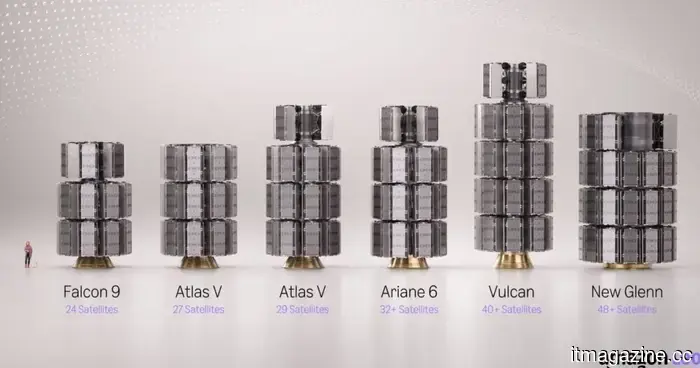 Amazon's competitor to Starlink has just achieved a significant milestone, but don’t anticipate flawless internet service immediately.
Amazon has placed enough Project Kuiper satellites in orbit to launch commercial internet services; however, the network still significantly lags behind Starlink.
Amazon's competitor to Starlink has just achieved a significant milestone, but don’t anticipate flawless internet service immediately.
Amazon has placed enough Project Kuiper satellites in orbit to launch commercial internet services; however, the network still significantly lags behind Starlink.
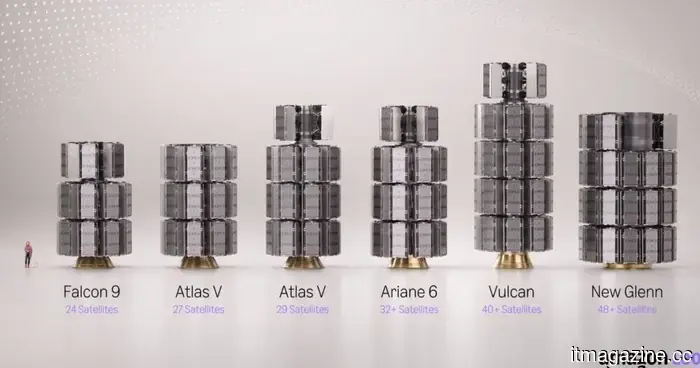 Amazon's competitor to Starlink has just reached a significant milestone, but don't anticipate flawless internet service just now.
Amazon has launched enough Project Kuiper satellites into orbit to initiate commercial internet service, although its network significantly lags behind Starlink.
Amazon's competitor to Starlink has just reached a significant milestone, but don't anticipate flawless internet service just now.
Amazon has launched enough Project Kuiper satellites into orbit to initiate commercial internet service, although its network significantly lags behind Starlink.
The Chevy Silverado EV is considered one of the finest electric trucks ever made, so why aren’t more people purchasing it?
GM sold approximately 14,000 Silverado EVs last year, while the gasoline version sells ten times that amount every quarter, and a more affordable battery is still two years from being available.