
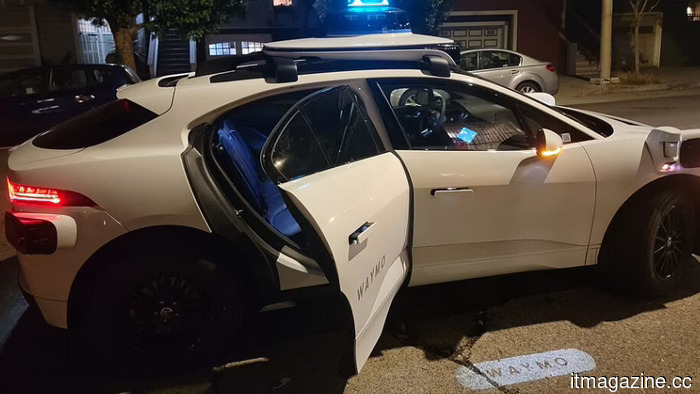
Waymo and Uber discreetly end their collaboration on robotaxis in Phoenix after three years.
Waymo and Uber have terminated their robotaxi partnership in Phoenix, as both companies pursue independent autonomous vehicle strategies in numerous new markets. Waymo's robotaxis are no longer accessible via Uber's app in Phoenix, marking the end of a nearly three-year collaboration in a city that served as the initial test of their ability to cooperate despite their previous legal disputes. Both companies confirmed the separation to TechCrunch on Monday. Waymo indicated that the vehicles have been reintegrated into its own fleet in Phoenix, where they will continue to serve riders through its app, including public transit rides with Via and deliveries through DoorDash.
Uber announced it is preparing a different autonomous vehicle partnership in Phoenix but did not disclose the partner. This quiet split, which Waymo indicated occurred in May, was first noticed by riders who saw that the company's vehicles had vanished from Uber's network. Phoenix was the sole city where Waymo operated both through its own app and Uber, an unusual overlap that neither company seemed eager to maintain.
The division comes as Waymo rolls out its latest robotaxi, the Ojai, a purpose-built van from Zeekr that costs about $75,000 less to produce per unit than the Jaguar I-PACE it replaces. The two companies are also set to compete directly in London, where Waymo aims to launch its own service while Uber collaborates with the British autonomous driving startup Wayve. Both companies praised their Phoenix collaboration, with Uber labeling it as a deliberately limited deployment of just over a dozen vehicles that accelerated its growth in Austin and Atlanta.
The landscape of robotaxis has significantly evolved since the partnership was initiated in 2023. At that time, no autonomous operator had achieved commercial scale, and Cruise was still considered a viable competitor until its crisis led to a suspension of operations and its integration into General Motors. Over the past three years, Waymo has expanded its fleet to approximately 4,000 vehicles, and Uber has added numerous autonomous vehicle partners to its network.
Waymo now operates in 11 U.S. metro areas and provides over 500,000 trips every week, although its rapid expansion has encountered operational challenges, including recalls and service interruptions in various cities. This year, the company plans to launch in around 20 new cities, including international markets like London and Tokyo. As a result, maintaining a limited pilot with Uber in a city where Waymo already operates on its own has become less justifiable.
For Uber, leaving Phoenix is more of an evolution than a loss. The company characterized the partnership as a stepping stone that accelerated its autonomous ride services in Austin and Atlanta, where Waymo's robotaxis are available solely through Uber's platform. Its broader autonomous strategy now extends well beyond Waymo, involving partnerships with Wayve, Avride, and a recently announced agreement for up to 50,000 Rivian-built robotaxis.
The conclusion of the Phoenix partnership reflects a broader trend. Waymo is expanding into new cities without Uber, beginning operations in Dallas with Moove and Avis as fleet partners, rather than through a ride-hailing app that it does not control. The two companies are no longer determining if they can coexist but are instead defining the areas where they will compete, with Phoenix being the first location where one of them decided there was no longer a reason to collaborate.
Other articles
 WhatsApp now allows you to secure a username, eliminating the need to share your phone number anymore.
For the first time, WhatsApp is allowing its three billion users to reserve usernames, enabling them to connect without the need to share their phone numbers.
WhatsApp now allows you to secure a username, eliminating the need to share your phone number anymore.
For the first time, WhatsApp is allowing its three billion users to reserve usernames, enabling them to connect without the need to share their phone numbers.
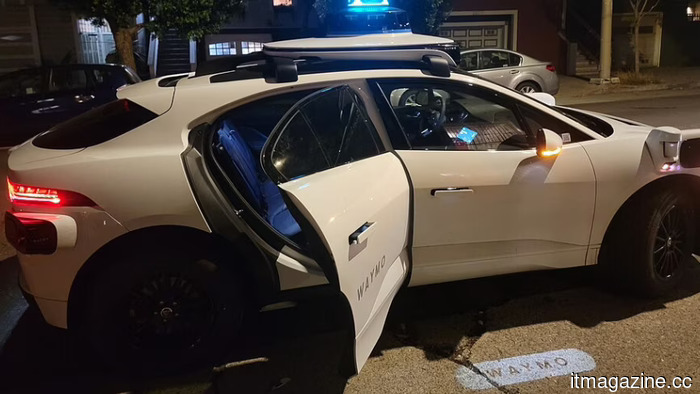 Waymo and Uber have silently ended their partnership in Phoenix after three years of working together on robotaxi services.
Waymo's robotaxis have been removed from Uber's app in Phoenix, marking the conclusion of a three-year pilot as both companies advance their own autonomous vehicle strategies.
Waymo and Uber have silently ended their partnership in Phoenix after three years of working together on robotaxi services.
Waymo's robotaxis have been removed from Uber's app in Phoenix, marking the conclusion of a three-year pilot as both companies advance their own autonomous vehicle strategies.
 It seems that Samsung is developing a rollable phone. Let's hope it doesn't end up the same way as LG.
The speculated rollable Galaxy from Samsung may reach 10 inches by 2028. However, LG's withdrawal, Oppo's prototype, and the challenging engineering requirements illustrate why this phone design still requires validation prior to its release.
It seems that Samsung is developing a rollable phone. Let's hope it doesn't end up the same way as LG.
The speculated rollable Galaxy from Samsung may reach 10 inches by 2028. However, LG's withdrawal, Oppo's prototype, and the challenging engineering requirements illustrate why this phone design still requires validation prior to its release.
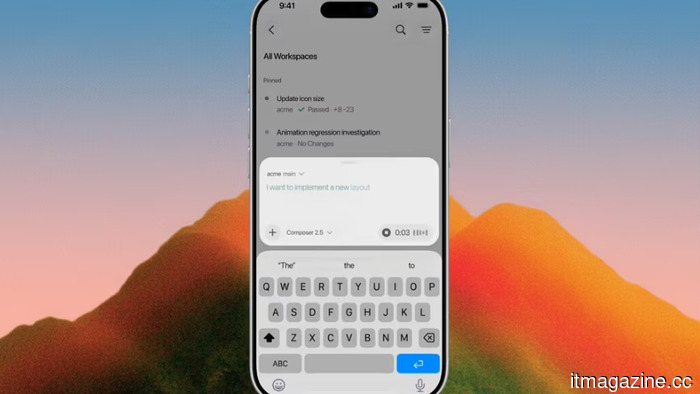 Cursor has introduced an iOS app that allows developers to initiate coding agents directly from their mobile devices.
Cursor's latest iOS application enables developers to initiate and oversee autonomous coding agents directly from their phone, as AI-driven development extends beyond traditional desktop environments.
Cursor has introduced an iOS app that allows developers to initiate coding agents directly from their mobile devices.
Cursor's latest iOS application enables developers to initiate and oversee autonomous coding agents directly from their phone, as AI-driven development extends beyond traditional desktop environments.
 AI has enhanced individual capabilities while causing teams to become more fragmented. Yimao Zhou is developing the operating system aimed at reversing this trend.
Yimao Zhou, the founder of Emagen AI, contends that the AI agent industry is focusing on the incorrect unit of optimization. His solution is Cagen, an organizational operating system that utilizes AI to manage tasks while reaching out to humans when necessary.
TIDAL will stop paying royalties for music created by AI and will label every track it identifies as such.
TIDAL will label completely AI-generated songs with an AI badge and prevent them from generating royalties, as part of an increasing crackdown in the music streaming industry.
AI has enhanced individual capabilities while causing teams to become more fragmented. Yimao Zhou is developing the operating system aimed at reversing this trend.
Yimao Zhou, the founder of Emagen AI, contends that the AI agent industry is focusing on the incorrect unit of optimization. His solution is Cagen, an organizational operating system that utilizes AI to manage tasks while reaching out to humans when necessary.
TIDAL will stop paying royalties for music created by AI and will label every track it identifies as such.
TIDAL will label completely AI-generated songs with an AI badge and prevent them from generating royalties, as part of an increasing crackdown in the music streaming industry.
Waymo and Uber discreetly end their collaboration on robotaxis in Phoenix after three years.
Waymo robotaxis have been removed from Uber's app in Phoenix, marking the conclusion of a three-year pilot as both companies explore different approaches to autonomous vehicle technology.