
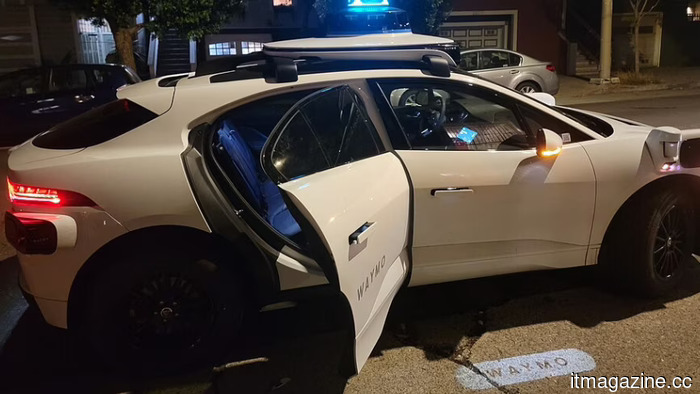
Waymo and Uber have silently ended their partnership in Phoenix after three years of working together on robotaxi services.
Waymo and Uber have ended their robotaxi collaboration in Phoenix, as both companies focus on their individual strategies for autonomous vehicles in various new markets. Waymo's robotaxis are no longer accessible via Uber’s app in Phoenix, marking the conclusion of their nearly three-year partnership, which aimed to test their ability to work together after being former rivals. Both companies confirmed the separation to TechCrunch on Monday, with Waymo stating that the vehicles have been reintegrated into its own Phoenix fleet and will continue to serve passengers through its app, including public transit trips via Via and deliveries through DoorDash.
Uber mentioned that it is preparing for a new autonomous vehicle partnership in Phoenix but has not disclosed the name of its partner. The split, which Waymo indicated occurred in May, was first noticed by users who realized the company's vehicles had been removed from Uber’s platform. Phoenix was the sole city where Waymo operated through both its own app and Uber, a unique overlap that neither company appeared interested in maintaining.
This separation coincides with Waymo introducing its new robotaxi, the Zeekr-made Ojai, a specialized van that is approximately $75,000 cheaper to produce per unit compared to the Jaguar I-PACE it replaces. Both companies are also set to compete directly in London, with Waymo planning to start its own service while Uber collaborates with the British autonomous driving startup Wayve. Each company has praised their collaboration in Phoenix, with Uber calling it a deliberately limited deployment of just over a dozen vehicles that accelerated its scaling efforts in Austin and Atlanta.
The robotaxi industry has seen significant changes since the partnership began in 2023. At that time, no autonomous operator had achieved commercial scale, and Cruise was still considered a viable competitor before its operational crisis led to its suspension and eventual merge with General Motors. In the years since, Waymo has increased its fleet to about 4,000 vehicles, while Uber has added numerous autonomous vehicle partners to its network.
Waymo currently operates in 11 metropolitan areas in the U.S. and provides over 500,000 rides weekly, although its rapid expansion has faced challenges, including recalls and service interruptions in several cities. The company plans to launch in around 20 new cities this year, including international markets like London and Tokyo, making a restricted pilot with Uber in a city already served by Waymo more difficult to justify.
For Uber, leaving Phoenix is seen more as a transition than a loss. The company regards the partnership as a means to rapidly scale autonomous rides in Austin and Atlanta, where Waymo's robotaxis are exclusively available through Uber’s platform. Uber’s overall autonomous strategy now encompasses a much wider scope beyond Waymo, involving partners like Wayve, Avride, and a recent agreement for up to 50,000 robotaxis built by Rivian.
The conclusion of the Phoenix collaboration reflects a broader trend. Waymo is expanding into new cities independently, such as launching in Dallas with partners like Moove and Avis instead of through a ride-hail app it does not control. The two companies are no longer determining their compatibility but are instead charting their competitive landscape, with Phoenix being the first city where one decided to stop sharing.
Other articles
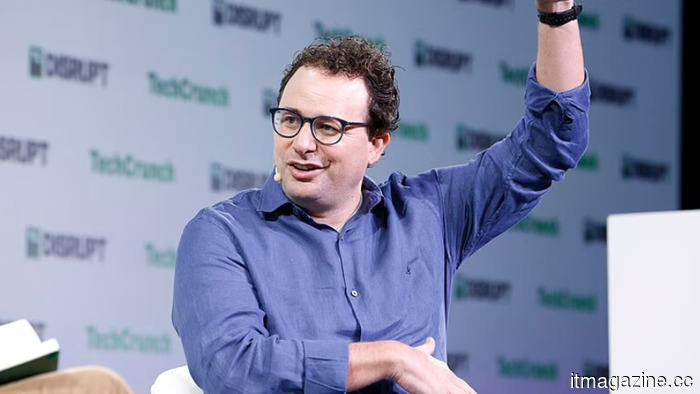 California offers all state agencies access to Claude at a discounted rate through an agreement with Anthropic.
California reached an agreement with Anthropic that allows all state agencies to use Claude at a 50% discount, even though the federal government has classified it as a security risk.
California offers all state agencies access to Claude at a discounted rate through an agreement with Anthropic.
California reached an agreement with Anthropic that allows all state agencies to use Claude at a 50% discount, even though the federal government has classified it as a security risk.
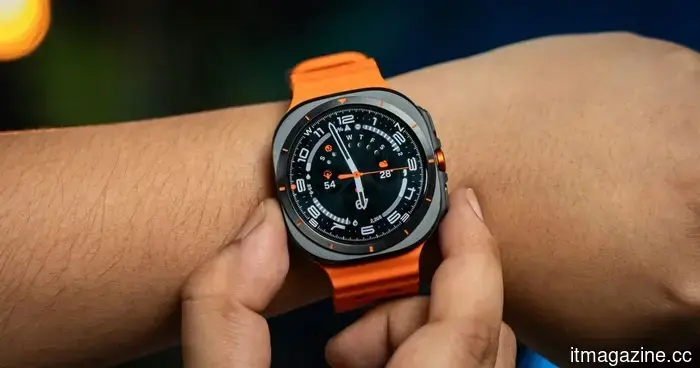 The forthcoming Galaxy Watch Ultra 2 from Samsung may feature an exceptionally bright display, but I have concerns regarding the tax implications.
The Galaxy Watch Ultra 2 might feature a display that is much more visible in sunlight, as well as a significantly larger battery. However, if these enhancements prove to be true, I am already curious about how they will affect the price.
The forthcoming Galaxy Watch Ultra 2 from Samsung may feature an exceptionally bright display, but I have concerns regarding the tax implications.
The Galaxy Watch Ultra 2 might feature a display that is much more visible in sunlight, as well as a significantly larger battery. However, if these enhancements prove to be true, I am already curious about how they will affect the price.
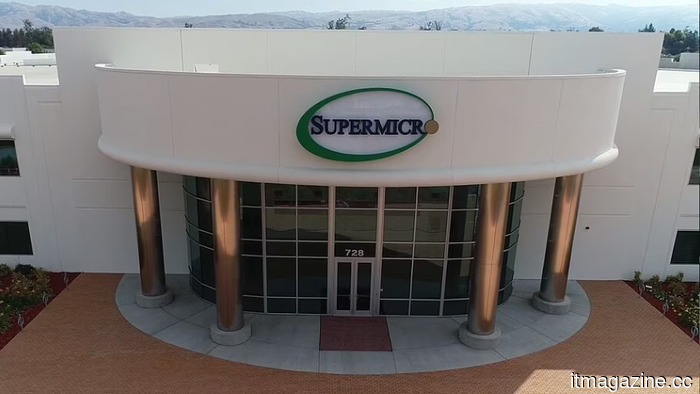 Taiwan conducts a raid on the Super Micro office as the investigation into Nvidia chip smuggling expands.
Prosecutors in Taiwan conducted raids on Super Micro's office as well as two associated firms, broadening the island's initial operation against AI chip smuggling.
Taiwan conducts a raid on the Super Micro office as the investigation into Nvidia chip smuggling expands.
Prosecutors in Taiwan conducted raids on Super Micro's office as well as two associated firms, broadening the island's initial operation against AI chip smuggling.
 WhatsApp now allows you to secure a username, eliminating the need to share your phone number anymore.
For the first time, WhatsApp is allowing its three billion users to reserve usernames, enabling them to connect without the need to share their phone numbers.
WhatsApp now allows you to secure a username, eliminating the need to share your phone number anymore.
For the first time, WhatsApp is allowing its three billion users to reserve usernames, enabling them to connect without the need to share their phone numbers.
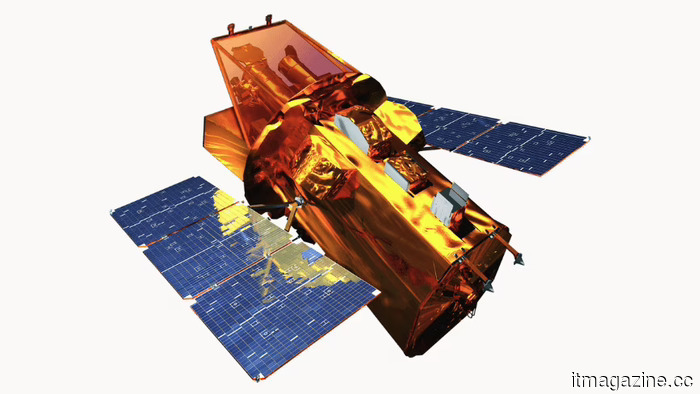 NASA's Swift telescope salvaged: a bold inaugural mission in orbit.
The NASA Swift telescope rescue involves a robotic spacecraft that will retrieve the descending observatory and elevate its orbit, marking a unique $30 million mission.
NASA's Swift telescope salvaged: a bold inaugural mission in orbit.
The NASA Swift telescope rescue involves a robotic spacecraft that will retrieve the descending observatory and elevate its orbit, marking a unique $30 million mission.
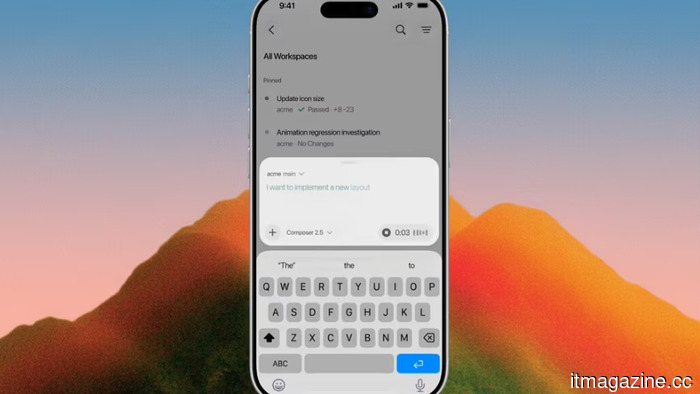 Cursor has introduced an iOS app that allows developers to initiate coding agents directly from their mobile devices.
Cursor's latest iOS application enables developers to initiate and oversee autonomous coding agents directly from their phone, as AI-driven development extends beyond traditional desktop environments.
Cursor has introduced an iOS app that allows developers to initiate coding agents directly from their mobile devices.
Cursor's latest iOS application enables developers to initiate and oversee autonomous coding agents directly from their phone, as AI-driven development extends beyond traditional desktop environments.
Waymo and Uber have silently ended their partnership in Phoenix after three years of working together on robotaxi services.
Waymo's robotaxis have been removed from Uber's app in Phoenix, marking the conclusion of a three-year pilot as both companies advance their own autonomous vehicle strategies.