
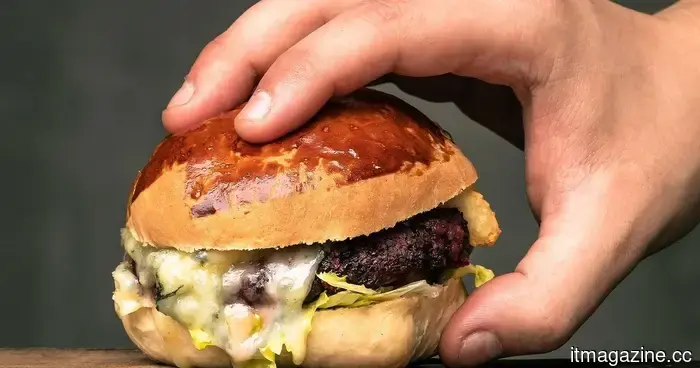
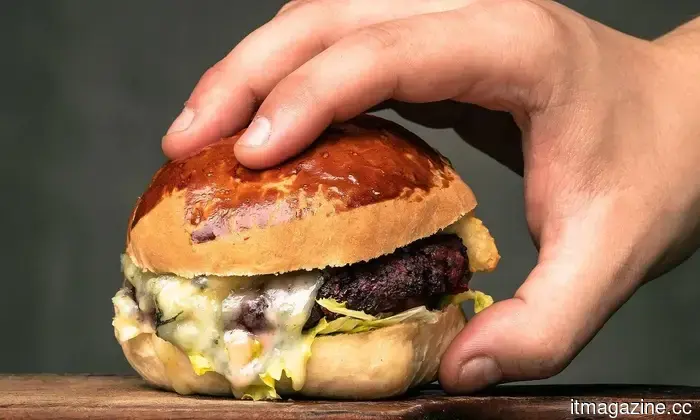
Scientists at Stanford have developed an AI capable of creating healthier and more environmentally friendly burgers.
The new system harmonizes nutrition, flavor, cost, and environmental considerations to formulate improved recipes.
Artificial intelligence has already contributed to coding, drug discovery, and video generation. Now, it's working on perfecting the burger. Researchers from Stanford University have introduced BurgerAI, a novel AI system that creates burger recipes by weighing taste, nutrition, sustainability, and cost. The surprising aspect? In blind taste tests, diners rated some of the AI-generated burgers equal to or better than a popular fast-food burger.
BurgerAI is focused on creating original recipes rather than replicating existing ones.
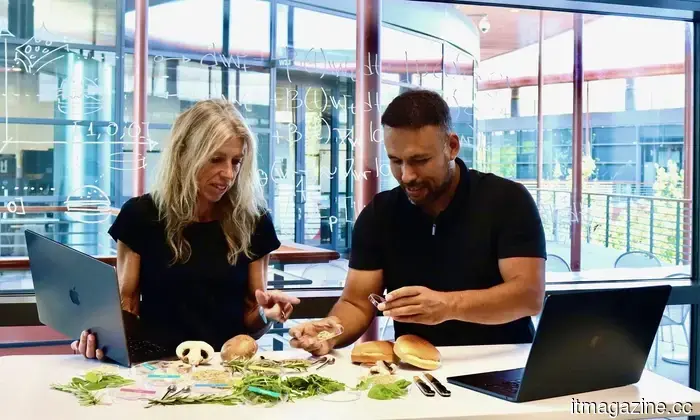
As reported by Stanford, BurgerAI was trained on more than 2,200 burger recipes to learn how various ingredients interact. Instead of forecasting which current burger someone might prefer, the model produces completely new recipes considering factors such as age, dietary needs, personal preferences, and sustainability targets.
The researchers estimate there are about 1,043 possible combinations of burgers, making it a perfect challenge for AI-driven design.
To test whether the AI was effective, the team prepared five recipes created by BurgerAI and served them to over 100 diners in a blind taste test. Two of the AI-crafted burgers were rated equally or higher than a well-known fast-food burger in overall enjoyment, flavor, and texture. Additionally, one eco-friendly mushroom-based recipe offered a significantly lower environmental impact while maintaining consumer satisfaction.
Lead researcher Ellen Kuhl emphasizes that this is the goal. Rather than asking, "Which burger is most likely?" BurgerAI queries, "Which burger best meets these conflicting objectives?" In simpler terms, the AI is not only predicting outcomes but creating entirely new ones.
Interestingly, this isn't solely about burgers.
What's amusing is that BurgerAI isn't designed to transform fast food. The burger serves merely as a proof of concept. The researchers believe the same AI methodology could ultimately assist in designing everything from innovative medications and biomaterials to sustainable manufacturing processes, where engineers need to juggle competing goals instead of focusing on a single outcome.
This makes the research particularly intriguing. Most generative AI models today concentrate on producing content similar to what already exists. In contrast, BurgerAI adopts a unique approach by generating unprecedented solutions and then testing them in the real world. However, the burger is just the starting point. If AI can adeptly navigate the trade-offs between flavor, health, cost, and sustainability, it could one day assist in resolving far more significant engineering challenges than merely deciding what’s for dinner.
Varun is a seasoned technology journalist and editor, boasting over eight years of experience within the consumer tech media domain.
Your next electric vehicle battery might find its origins in a plastic water bottle.
Researchers from Penn State have discovered a method to convert discarded PET plastic into battery-grade graphite, potentially powering electric vehicles, smartphones, and renewable energy storage systems. Typically, plastic bottles are recycled into lower-quality products, sent to landfills, or worse, contribute to environmental pollution. However, the Penn State researchers are optimistic about the potential to repurpose plastic waste into valuable battery materials.
Anthropic’s most advanced AI is making a return but only for a select audience.
Recently, the U.S. government has cleared the limited reinstatement of Mythos 5 as Fable 5 approaches a broader rollout. Anthropic's AI limitations may finally be easing. Following a shutdown earlier this month due to U.S. government security concerns, the company's most sophisticated AI models are gradually reemerging. As per a new Axios report, Mythos 5 has been restored for a restricted group of trusted users, and Fable 5 may be back as soon as next week if discussions with federal agencies continue to advance.
Mythos is making its return first, while Fable remains on standby.
Not everything is going well for DuckDuckGo and its AI.
A coordinated campaign on Reddit seems to have deceived multiple AI search assistants into disseminating false information. DuckDuckGo has built its reputation on privacy-focused search; however, its AI assistant has found itself entangled in controversy this week for an entirely different reason. It erroneously asserted that U.S. President Donald Trump had died of rabies, complete with fictitious details about Vice President JD Vance, Robert F. Kennedy Jr., and fake news reports. None of this was true.
A deceptive Reddit campaign successfully tricked Duck's AI.


Other articles
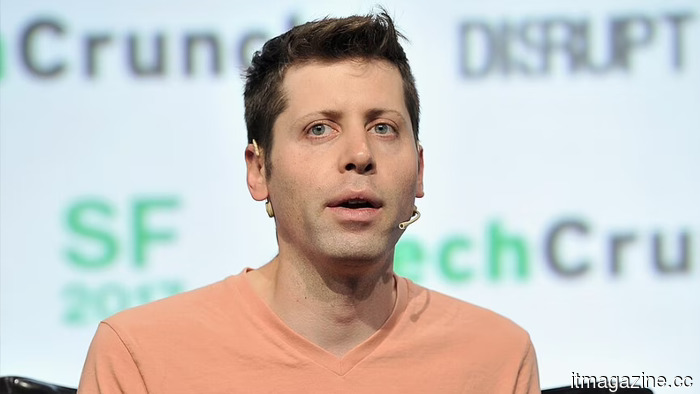 OpenAI appoints the chief of Uber India as its inaugural managing director for the nation.
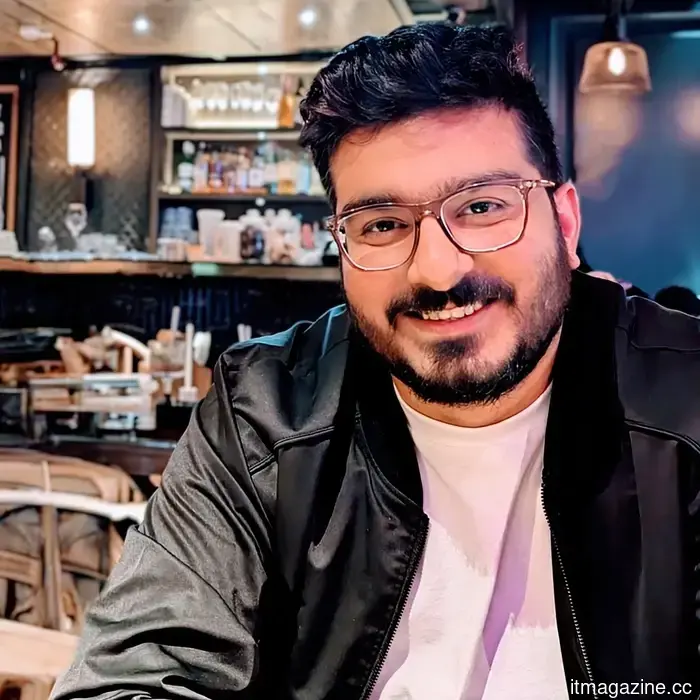
OpenAI has named Prabhjeet Singh, the departing president of Uber India, as its inaugural managing director for India, which is its second-largest market.
OpenAI appoints the chief of Uber India as its inaugural managing director for the nation.
OpenAI has named Prabhjeet Singh, the departing president of Uber India, as its inaugural managing director for India, which is its second-largest market.
 It seems that Apple will indeed impose a $200 increase in the price of the iPhone 18 Pro.
The memory crisis that led to an increase in Mac and iPad prices by up to $300 may also impact the iPhone 18 Pro, with IDC's latest estimate suggesting a rise of $200.
It seems that Apple will indeed impose a $200 increase in the price of the iPhone 18 Pro.
The memory crisis that led to an increase in Mac and iPad prices by up to $300 may also impact the iPhone 18 Pro, with IDC's latest estimate suggesting a rise of $200.
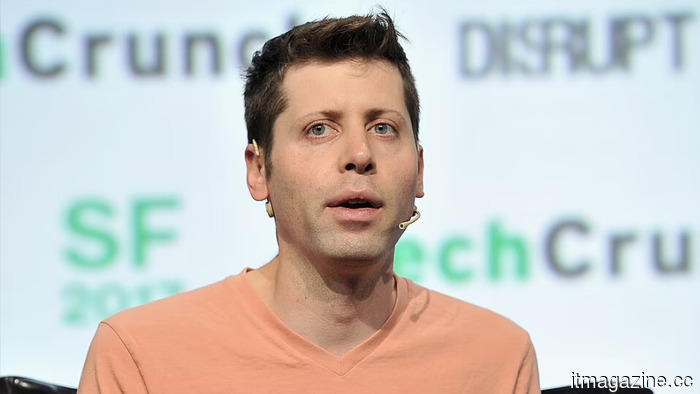 OpenAI appoints the chief of Uber India as its inaugural managing director for the region.
OpenAI has named Prabhjeet Singh, the departing president of Uber India, as its inaugural managing director for India, which is its second-largest market.
OpenAI appoints the chief of Uber India as its inaugural managing director for the region.
OpenAI has named Prabhjeet Singh, the departing president of Uber India, as its inaugural managing director for India, which is its second-largest market.
 Netflix has become significantly more annoying for those who share an account within a household.
Netflix is introducing a new profile system that necessitates each household member to use a distinct email address for their personal profile.
Netflix has become significantly more annoying for those who share an account within a household.
Netflix is introducing a new profile system that necessitates each household member to use a distinct email address for their personal profile.
.jpg) This animated series, which boasts a 100% rating on Rotten Tomatoes, is one of three overlooked TV shows available on HBO Max to check out this weekend (June 26-28).
These concealed treasures on HBO Max boast nearly flawless critic ratings but are unfortunately overlooked, covering genres such as medical drama, science fiction, and coming-of-age narratives.
This animated series, which boasts a 100% rating on Rotten Tomatoes, is one of three overlooked TV shows available on HBO Max to check out this weekend (June 26-28).
These concealed treasures on HBO Max boast nearly flawless critic ratings but are unfortunately overlooked, covering genres such as medical drama, science fiction, and coming-of-age narratives.
 Trustpilot is integrating its reviews within Shopify stores as artificial intelligence transforms the online shopping experience.
Trustpilot collaborated with Shopify to enable merchants to showcase and manage reviews directly within their stores, as AI-driven clicks increased by 1,490 percent.
Trustpilot is integrating its reviews within Shopify stores as artificial intelligence transforms the online shopping experience.
Trustpilot collaborated with Shopify to enable merchants to showcase and manage reviews directly within their stores, as AI-driven clicks increased by 1,490 percent.
Scientists at Stanford have developed an AI capable of creating healthier and more environmentally friendly burgers.
Researchers at Stanford have created BurgerAI, an AI system designed to generate burger recipes that are healthier and more sustainable, all while maintaining great taste.