
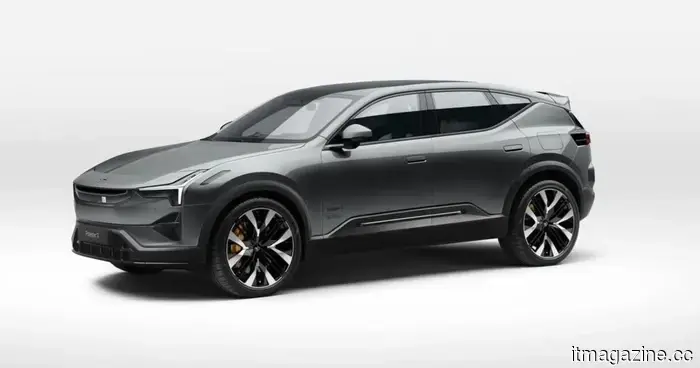
Polestar is compelled to leave the US market. It's unfortunate that we won't be able to admire its elegant design any longer.
Boring EVs have received a reprieve as Polestar faces challenges in the US market.
Polestar, the Swedish electric vehicle manufacturer owned by China’s Geely, has been denied permission to operate under the US Connected Vehicle Rule. Consequently, it will not be able to sell vehicles in the US starting with the 2027 model year. However, the brand won’t vanish from American roads immediately. Polestar has stated that it will continue to sell its existing US inventory of the Polestar 3 and Polestar 4, and current owners will still receive service support. For future models, though, the prospects look grim unless circumstances change.
Polestar has always presented minimalism as an element of luxury.
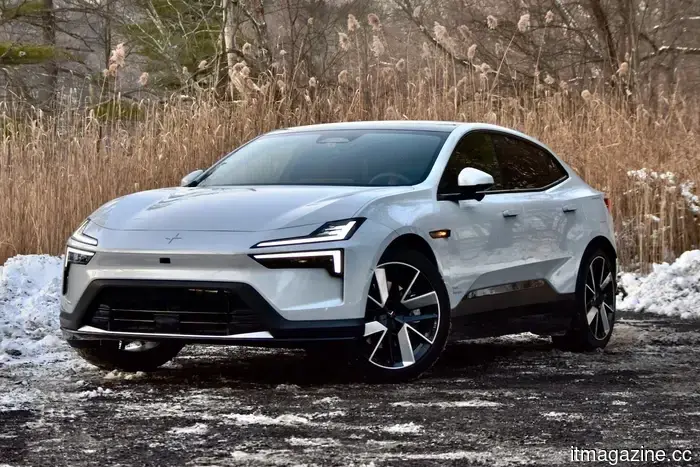
Polestar has not been the most vocal EV manufacturer. Its vehicles have traditionally exuded a cleaner, more architectural aesthetics compared to many competitors. The Polestar 2 has often been likened to a side project from Volvo, while the Polestar 3 extended that design language into the SUV category. The Polestar 4 introduced a somewhat unconventional coupe-SUV silhouette lacking a rear window. Nevertheless, their designs are celebrated for harmonizing stunning Scandinavian minimalist aesthetics with high-performance capabilities.
Not every Polestar model has been flawless, as the brand has encountered typical challenges faced by EV startups. It faces pricing pressures, a limited vehicle range, and the formidable challenge of distinguishing itself in a market dominated by giants like Tesla. However, design has never been its weak point, as its cars embody a premium quality without being overly ostentatious.
The rationale behind Polestar's restrictions in the US.
The decision from the US authorities stems from regulations concerning connected vehicles associated with Chinese or Russian software and hardware. Polestar’s ownership by Geely places it in a vulnerable position, despite its Swedish headquarters. This ruling is unexpected, particularly since Volvo, another Geely-owned company, recently received authorization to continue sales in the US.
Following this announcement, Polestar will redirect its focus to Europe, which already accounts for the majority of its retail sales. The company has indicated that most of its sales in the first quarter of 2026 originated outside the US, indicating that this decision is not a catastrophic blow to the brand on a global scale.
---
The Wild West era of robotaxis is beginning to conclude.
New international regulations are being established to replace the disaggregated oversight with more rigorous safety requirements for autonomous fleets.
Robotaxi regulations have entered their initial global phase. A UN vehicle standards forum has endorsed the first worldwide framework for fully autonomous vehicles, providing driverless operations with a consistent safety baseline across major markets.
This initiative coincides with the expansion of robotaxis from testing phases into a larger commercial landscape. In both the US and China, private fleets more than doubled in 2025, reaching 8,000 vehicles distributed across over two dozen major cities.
---
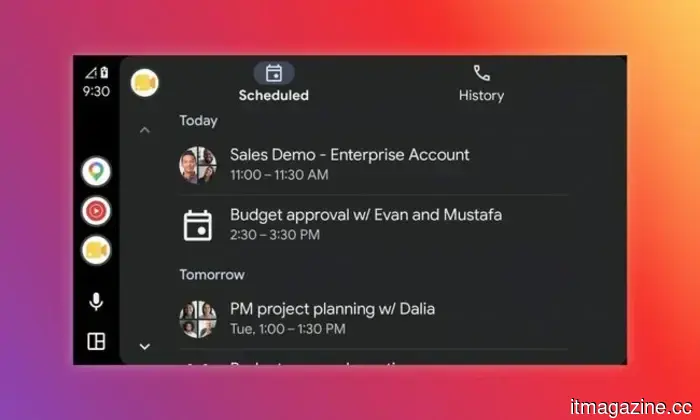
Google Meet has finally arrived on Android Auto, giving users one less reason to miss a meeting.
Android users can now join scheduled meetings and audio calls directly from their vehicle's dashboard, catching up with features iPhone users have enjoyed for months.
Android Auto is now integrating Google Meet, several months after the app was first introduced on Apple CarPlay. Android users can easily access scheduled meetings and recent contacts from their car's display instead of using their phones.
---
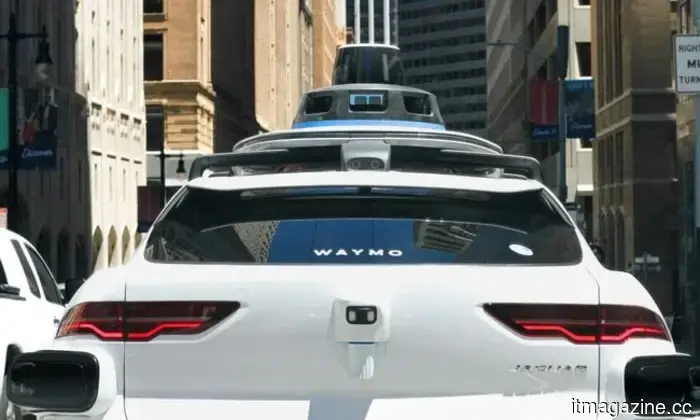
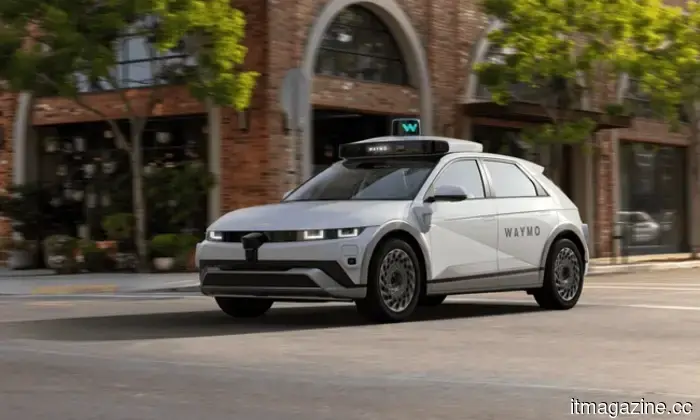
Waymo’s robotaxis continue to encounter new obstacles, with construction zones being the latest issue.
There have been thirteen incidents in construction zones, a fleet recall, and a passenger who believed they were in imminent danger.
Waymo has recalled its entire fleet of nearly 4,000 robotaxis to prevent them from operating on highways after discovering at least thirteen cases where its vehicles drove directly into construction-closed highway sections.
This marks the company's sixth recall in under a year, following various other incidents involving flooded roads, telephone poles, chains and gates, towed trucks, and school buses.

Other articles
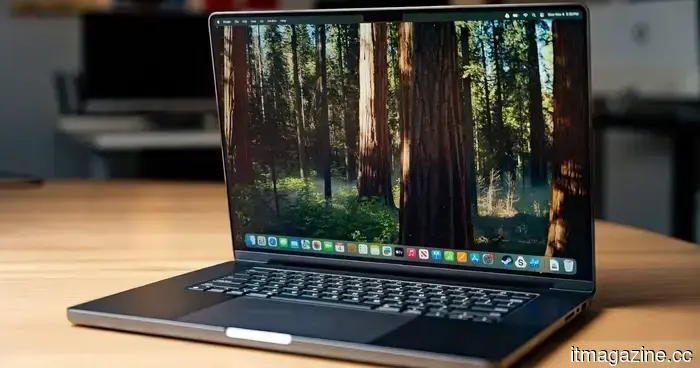 Apple's most significant MacBook Pro redesign in years might forgo the chip that was widely anticipated.
Reports suggest that Apple is working on a revamped MacBook Pro that will feature OLED and touch support; however, the anticipated M6 Pro and M6 Max chips might not be released.
Apple's most significant MacBook Pro redesign in years might forgo the chip that was widely anticipated.
Reports suggest that Apple is working on a revamped MacBook Pro that will feature OLED and touch support; however, the anticipated M6 Pro and M6 Max chips might not be released.
 While Spotify integrates AI, Deezer will allow users to remix tracks with approval from artists and proper royalties.
Deezer's Remix Lab is a newly introduced in-app feature initially available in France, allowing fans to remix certain songs with the artists' approval, ensuring rights compliance, and providing compensation for each stream.
While Spotify integrates AI, Deezer will allow users to remix tracks with approval from artists and proper royalties.
Deezer's Remix Lab is a newly introduced in-app feature initially available in France, allowing fans to remix certain songs with the artists' approval, ensuring rights compliance, and providing compensation for each stream.
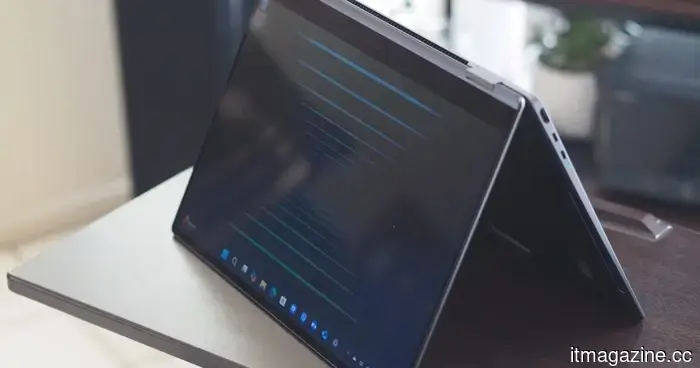 I came across these two Prime Day flagship laptop offers perfect for display enthusiasts and practical shoppers.
These Samsung and Microsoft Prime Day laptop offers approach premium value in different ways: a 16-inch AMOLED 2-in-1 and a Surface Laptop priced under $1,000.
I came across these two Prime Day flagship laptop offers perfect for display enthusiasts and practical shoppers.
These Samsung and Microsoft Prime Day laptop offers approach premium value in different ways: a 16-inch AMOLED 2-in-1 and a Surface Laptop priced under $1,000.
 Ford brought back 350 engineers to correct the mistakes made by its AI systems.
Ford acknowledged that its AI was not capable of replacing seasoned engineers and brought back 350 experienced professionals, subsequently achieving the top position in JD Power's quality ranking for the first time in 16 years.
Ford brought back 350 engineers to correct the mistakes made by its AI systems.
Ford acknowledged that its AI was not capable of replacing seasoned engineers and brought back 350 experienced professionals, subsequently achieving the top position in JD Power's quality ranking for the first time in 16 years.
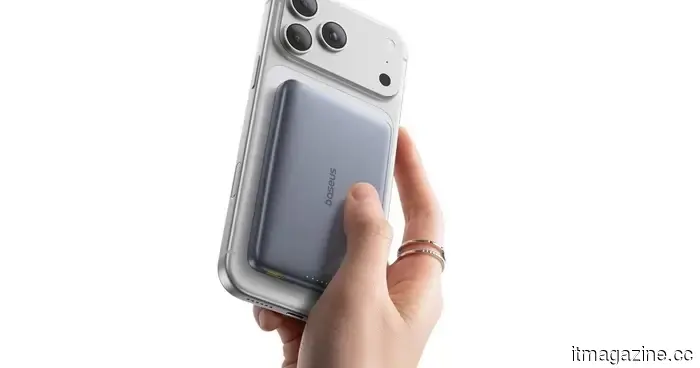 Here are the Prime Day power bank offers I would suggest if you're still uncertain.
Anker and Baseus are offering two excellent Prime Day power bank promotions for those who still require portable charging before the sale concludes.
Here are the Prime Day power bank offers I would suggest if you're still uncertain.
Anker and Baseus are offering two excellent Prime Day power bank promotions for those who still require portable charging before the sale concludes.
 Ford brought back 350 engineers to correct the errors made by its AI systems.
Ford acknowledged that its AI was unable to substitute for seasoned engineers and brought back 350 veterans, subsequently achieving the top position in JD Power's quality ranking for the first time in 16 years.
Ford brought back 350 engineers to correct the errors made by its AI systems.
Ford acknowledged that its AI was unable to substitute for seasoned engineers and brought back 350 veterans, subsequently achieving the top position in JD Power's quality ranking for the first time in 16 years.
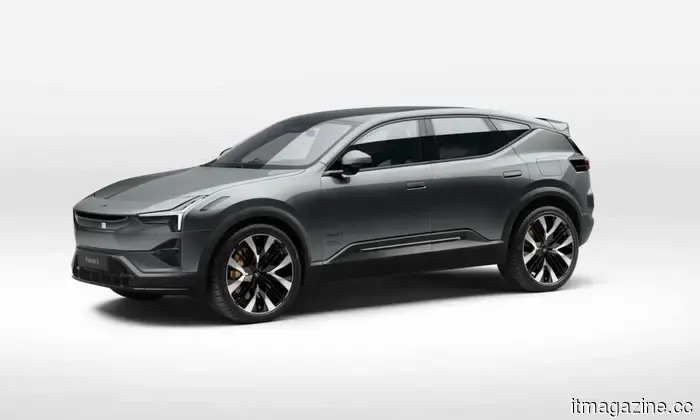
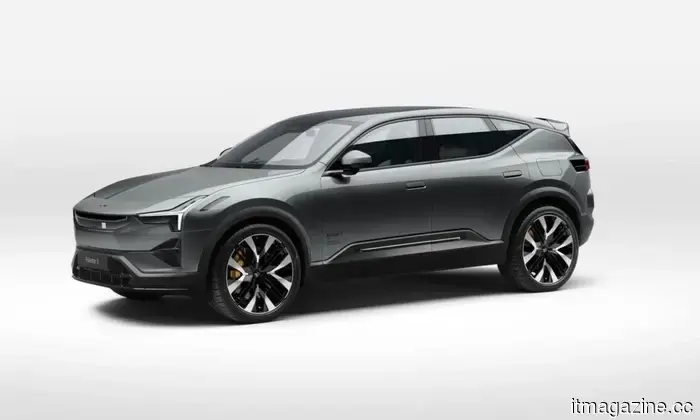
Polestar is compelled to leave the US market. It's unfortunate that we won't be able to admire its elegant design any longer.
Polestar is permitted to continue selling its current inventory in the U.S., but the release of future model-year 2027 electric vehicles is halted, removing one of the most visually appealing electric brands from American highways.