
Cannes insights: What a two-time major champion understands about marketing that CMOs might overlook.
For a week each June, the advertising sector moves to the French Riviera to assess its current state. The Cannes Lions International Festival of Creativity, now in its 72nd year, took place from June 16 to 20, 2025, attracting approximately 15,000 attendees from 90 countries. This crowd transforms a coastal town into a lively discussion about the future of attention in the industry.
This year, the shift was unmistakable. Creators were prominent, formally acknowledged as the festival renamed its long-established Social and Influencer Lions to the Social and Creator Lions, reflecting the industry's evolving focus. As anticipated, discussions on AI featured heavily in the panels, but a more dynamic narrative unfolded on the beach, where creators rather than agencies were taking the stage.
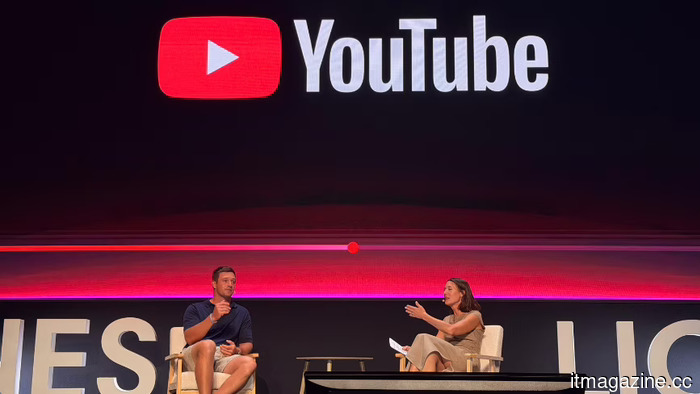
At Cannes Lions, Bryson DeChambeau advocated for athletes as creators. The strategies behind the slogans were more compelling than the slogans themselves. In his keynote, among applause for authenticity and obligatory mentions of data, DeChambeau touched on a crucial aspect of contemporary sports. He noted that prior to YouTube, others defined his public image through traditional media, but he desired to narrate his own story.
This desire, more than any statistic shown during his talk at Cannes Lions, explained why a two-time major champion found himself presenting on a marketing stage. The discussion was moderated by Mary Ellen Coe, Chief Business Officer at YouTube, who cited a statistic often quoted in the sports industry: 65% of viewers, she claimed, prefer to experience sports through the creators they follow. While this figure is striking, it should be viewed as a foundational belief for a YouTube sales strategy, rather than a confirmed truth, making the rest of the session clearer. YouTube has a premise, and athletes provide the evidence, with DeChambeau being a compelling example.
His background is noteworthy; winning the US Open twice in 2020 and 2024 lends him the sporting credibility necessary for the argument. However, what truly matters to marketers is another statistic: his YouTube channel has surpassed 2.6 million subscribers, rivaling the official PGA Tour account.
DeChambeau's journey mirrors that of many creators: his initial videos were technical, focusing on swing mechanics and equipment, but they didn't perform well. Feedback from viewers through comments and analytics indicated a demand for something different, prompting him to pivot. This reflects a fundamental lesson in the creator economy: successful creators must listen to their audience.
Ultimately, viewers craved golf presented in a more digestible format. Considering a round can take four hours, this is inefficient for a platform designed for quick consumption, so DeChambeau enlisted a production team to condense content to about an hour, maintaining the essence of the game while retaining viewer engagement. This concept is best illustrated in his Break 50 series, where he and a guest aim to shoot under 50 over 18 holes.
This format revitalizes a slow-paced sport into an engaging, high-stakes hour, attracting personalities outside of golf, such as actor Adam Sandler and basketball player Stephen Curry, whom DeChambeau labeled the most desired guest on the show. The audience engaging with this content is not what golf traditionally targeted; it initially skewed older before attracting a younger following, something DeChambeau takes pride in, especially in reaching viewers who have never played golf.
For a sport often concerned about its aging audience, attracting young non-golfers is more than just a vanity metric; it's crucial. DeChambeau acknowledged that this undertaking is neither inexpensive nor simple. While other professionals ask how to replicate his success, he candidly shares that it requires a dedicated team, significant time, and financial resources.
Though he claims his primary motivation is not financial, this admission subtly underscores the scale of his operation. The entrepreneurial spirit of earlier creators, which transformed a six-year-old unboxing toys into a significant earners, has evolved into a phenomenon resembling a small media company.
This maturity is evident in his perspective on what truly works. He emphasized the temptation to chase viral moments versus the value of consistency, episodic content, and building trust with a loyal audience. Brands, according to him, should adopt a similar strategy.
Unlike a fleeting TV commercial, a YouTube video can accumulate views and goodwill over many years. For marketers accustomed to treating campaigns as singular bursts, this perspective is beneficial: creator content can appreciate in value rather than detract from it.
His advice to marketers centered on the often-overused term, authenticity, which he threw into sharper focus. He cautioned that audiences quickly discern inauthenticity, and brands that do not genuinely align with a creator’s values will be exposed. Coming from someone whose YouTube endeavor started as a way to reclaim his narrative, this message resonates more profoundly than it might in a typical presentation.
A particularly revealing moment occurred when DeChambeau staged a giveaway centered on an ambitious
Other articles
 Anthropic recruits Orange's AI leader as it speeds up its expansion in Europe.
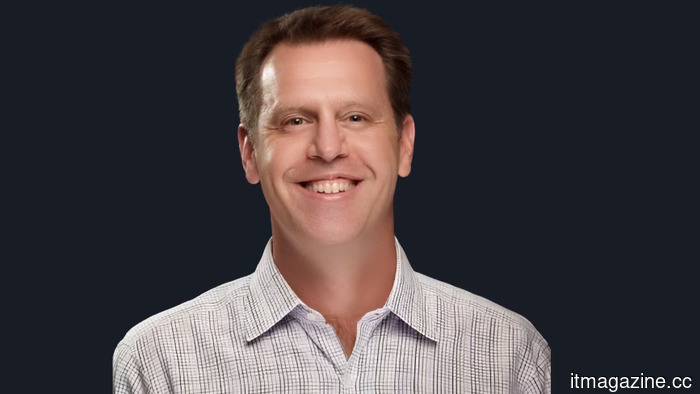
Steve Jarrett, who has served as Orange's chief AI officer since 2019, will be joining Anthropic in Paris on August 25 to modify its products for the European and African markets.
Anthropic recruits Orange's AI leader as it speeds up its expansion in Europe.
Steve Jarrett, who has served as Orange's chief AI officer since 2019, will be joining Anthropic in Paris on August 25 to modify its products for the European and African markets.
 Airwallex secures $320 million with an $11 billion valuation.
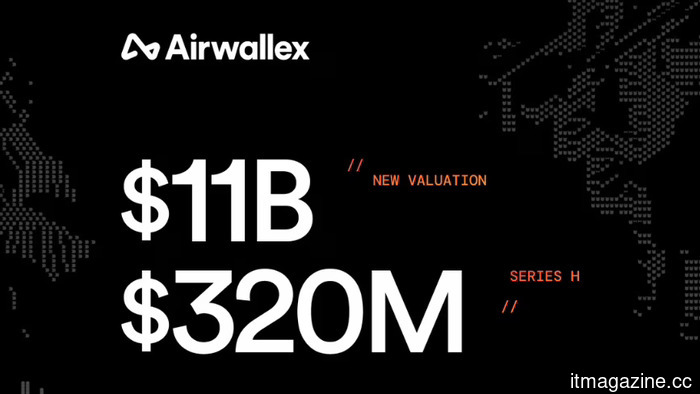
Airwallex has successfully secured $320 million at an $11 billion valuation, an increase from its previous $8 billion valuation, and is shifting its focus towards autonomous finance and AI agents that handle transactions on your behalf.
Airwallex secures $320 million with an $11 billion valuation.
Airwallex has successfully secured $320 million at an $11 billion valuation, an increase from its previous $8 billion valuation, and is shifting its focus towards autonomous finance and AI agents that handle transactions on your behalf.
 Chamath Palihapitiya: Meta mishandled its advantage in AI.
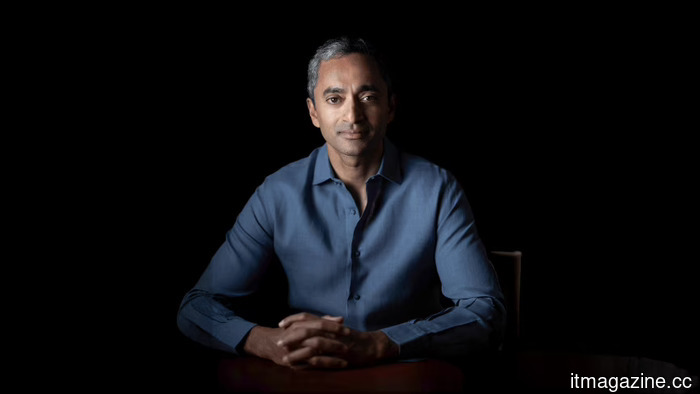
Chamath Palihapitiya mentioned on The Axios Show that Meta missed an opportunity with its AI leadership, the notion of a jobs apocalypse is a misconception, and that the incentives for his SPAC were not aligned properly.
Chamath Palihapitiya: Meta mishandled its advantage in AI.
Chamath Palihapitiya mentioned on The Axios Show that Meta missed an opportunity with its AI leadership, the notion of a jobs apocalypse is a misconception, and that the incentives for his SPAC were not aligned properly.
 The Kremlin is seeking clarification from Apple following the removal of VK applications from the App Store.
Apple removed VK's applications in Russia, referencing sanctions. VK claims it has not been sanctioned. The Kremlin is seeking clarification and is considering an alternative operating system.
The Kremlin is seeking clarification from Apple following the removal of VK applications from the App Store.
Apple removed VK's applications in Russia, referencing sanctions. VK claims it has not been sanctioned. The Kremlin is seeking clarification and is considering an alternative operating system.
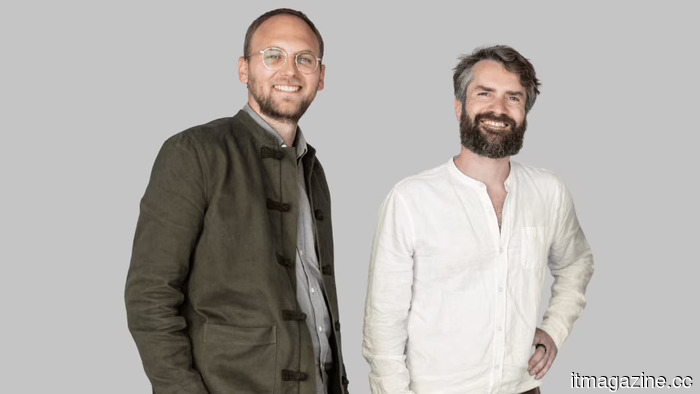 Alan secures €480 million in funding, with Prosus leading the round at a valuation of €5.5 billion.
Alan has secured €480 million, with Prosus leading the investment at a valuation of €5.5 billion, just a few months after its previous funding round, as the French insurtech focuses on AI-driven prevention.
Alan secures €480 million in funding, with Prosus leading the round at a valuation of €5.5 billion.
Alan has secured €480 million, with Prosus leading the investment at a valuation of €5.5 billion, just a few months after its previous funding round, as the French insurtech focuses on AI-driven prevention.
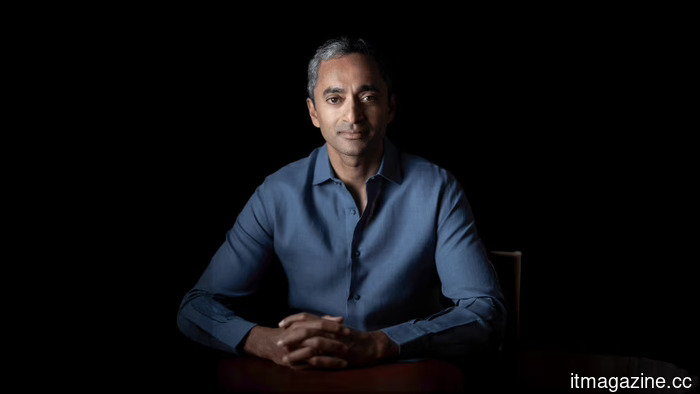 Chamath Palihapitiya: Meta mishandled its position in AI.
Chamath Palihapitiya stated on The Axios Show that Meta mismanaged its advantage in AI, the notion of a jobs apocalypse is a misconception, and his SPAC incentives were not properly aligned.
Chamath Palihapitiya: Meta mishandled its position in AI.
Chamath Palihapitiya stated on The Axios Show that Meta mismanaged its advantage in AI, the notion of a jobs apocalypse is a misconception, and his SPAC incentives were not properly aligned.
Cannes insights: What a two-time major champion understands about marketing that CMOs might overlook.
During Cannes Lions, Bryson DeChambeau advocated for athletes as creators. The true narrative lies in the strategy behind the slogans.