
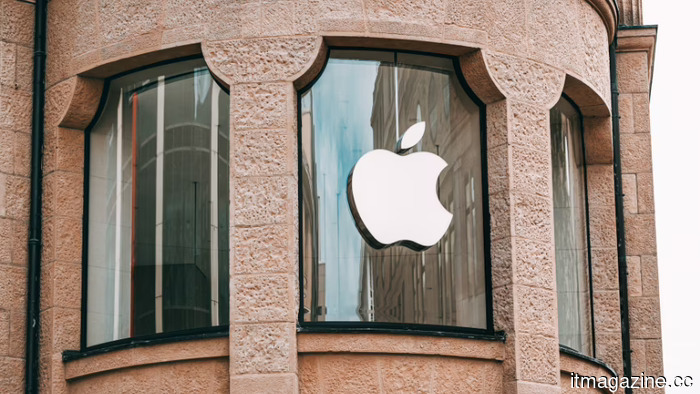
The Kremlin is seeking clarification from Apple following the removal of VK applications from the App Store.
On Thursday, several applications owned by the Russian tech company VK disappeared from Apple's App Store, prompting the Kremlin to seek answers by the afternoon. Dmitry Peskov, the presidential spokesperson, stated that the government anticipated a response from Apple. He also suggested to Russians a workaround that effectively served as a message: to switch operating systems.
The removals were extensive. Included in the deletions were VK's social networks, VKontakte and Odnoklassniki, along with apps such as VK Video, VK Messenger, VK Music, VK Dating, the Mail.ru email client, and the content platform Dzen, as reported by Meduza. VK warned that iPhone users would no longer receive push notifications across its applications and indicated that millions of users were impacted.
VKontakte and Odnoklassniki rank among the most popular social media platforms in Russia, while Dzen is one of the country's larger content aggregators, giving these removals a wide domestic impact. VK described the action as “completely unprompted and unacceptable,” claiming that Apple had removed the apps “without warning.”
VK’s main defense was a straightforward rejection of any legal cause: the company asserted that it “has never been subject to sanctions and has never appeared on any sanctions list.” Apple has not provided a detailed public explanation regarding the recent removals. Its only recent comment came earlier this month when it informed BBC News Russian that it had removed VK's state-supported Max messenger to comply with sanctions, without clarifying which sanctions those were.
The situation regarding sanctions is more complex than VK’s denial implies. While the company itself may not be on any list, VK's CEO, Vladimir Kiriyenko, is under sanctions from the US, EU, and the UK. He is the son of Sergei Kiriyenko, a high-ranking Kremlin advisor. This difference between a sanctioned individual and a non-sanctioned company is where the current dispute lies.
This situation is not without precedent. Apple had previously removed VKontakte from the App Store in September 2022 following British sanctions but restored access within a month. This pattern suggests that such removals can be reversed, indicating that the current conflict might be less of a permanent severance and more of another round in a prolonged negotiation conducted via app listings.
What is new, however, is the heightened political tone. Peskov's suggestion for Russians to move away from iOS comes amid a long-running Kremlin effort to promote domestic software and hardware and a gradual decline of Western platforms in the nation.
Apple has acknowledged removing approximately 190 apps from the Russian App Store over three years due to government pressure, highlighting that the platform has adjusted in both directions. For the moment, the apps remain unavailable, and no explanations have been offered. VK states that millions of users are impacted, while the Kremlin is awaiting a response. Meanwhile, Apple has opted for minimal communication, consistent with its approach in Russia.
Other articles
 Brussels seeks to subject AWS and Azure to its most stringent technology regulations.
The Commission's initial position suggests that the cloud divisions of Amazon and Microsoft ought to be considered DMA gatekeepers, despite not satisfying the typical criteria.
Brussels seeks to subject AWS and Azure to its most stringent technology regulations.
The Commission's initial position suggests that the cloud divisions of Amazon and Microsoft ought to be considered DMA gatekeepers, despite not satisfying the typical criteria.
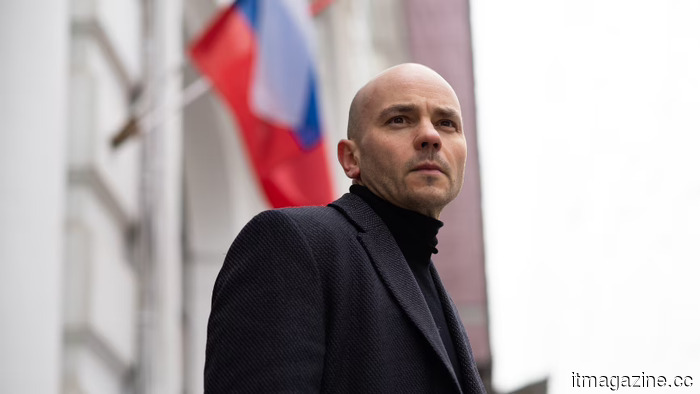 Russia accessed an activist's iPhone using Cellebrite, months after the company stated it had withdrawn.
Citizen Lab discovered forensic proof that Russia utilized Cellebrite’s UFED on opposition politician Andrey Pivovarov, several months after the company claimed to have severed connections.
Russia accessed an activist's iPhone using Cellebrite, months after the company stated it had withdrawn.
Citizen Lab discovered forensic proof that Russia utilized Cellebrite’s UFED on opposition politician Andrey Pivovarov, several months after the company claimed to have severed connections.
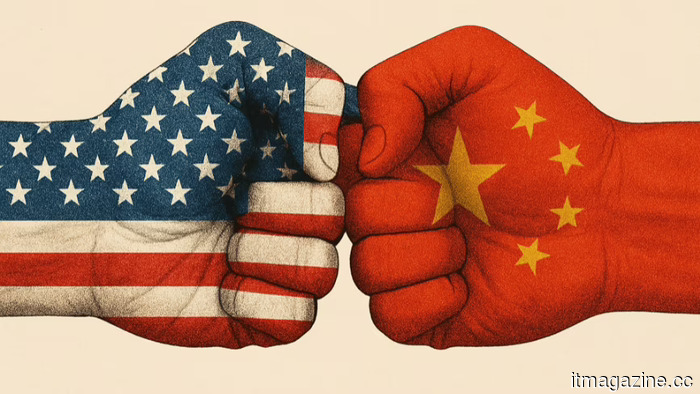 Gotion files lawsuit against Michigan township regarding the abandoned $2.4 billion battery facility.
Green Charter Township recalled its board in an effort to prevent Gotion's $2.36 billion electric vehicle battery plant. The Chinese company is now filing a lawsuit seeking hundreds of millions in damages.
Gotion files lawsuit against Michigan township regarding the abandoned $2.4 billion battery facility.
Green Charter Township recalled its board in an effort to prevent Gotion's $2.36 billion electric vehicle battery plant. The Chinese company is now filing a lawsuit seeking hundreds of millions in damages.
 The Kremlin is seeking clarification from Apple following the removal of VK applications from the App Store.
Apple removed VK's applications in Russia, referencing sanctions. VK claims it has never been sanctioned. The Kremlin is seeking clarification and desires an alternative operating system.
The Kremlin is seeking clarification from Apple following the removal of VK applications from the App Store.
Apple removed VK's applications in Russia, referencing sanctions. VK claims it has never been sanctioned. The Kremlin is seeking clarification and desires an alternative operating system.
 China aims to connect its renewable energy directly to the data center.
Beijing aims to connect renewable energy sources directly to data centres. A solar project in Ningxia serves as the first significant trial to determine if this approach is effective.
China aims to connect its renewable energy directly to the data center.
Beijing aims to connect renewable energy sources directly to data centres. A solar project in Ningxia serves as the first significant trial to determine if this approach is effective.
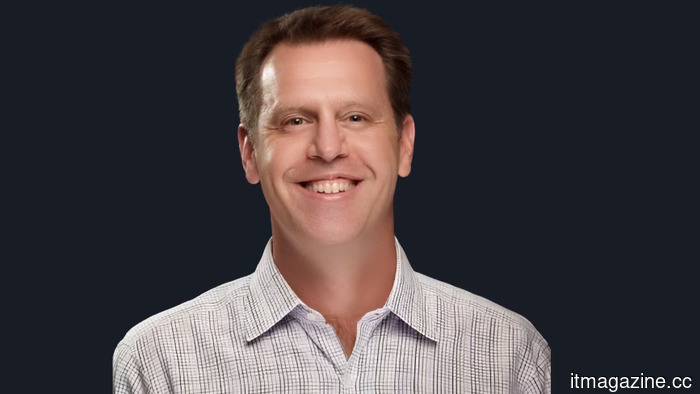 Anthropic recruits Orange's AI leader as it speeds up its expansion in Europe.
Steve Jarrett, who has served as Orange's chief AI officer since 2019, will be joining Anthropic in Paris on August 25 to modify its products for the European and African markets.
Anthropic recruits Orange's AI leader as it speeds up its expansion in Europe.
Steve Jarrett, who has served as Orange's chief AI officer since 2019, will be joining Anthropic in Paris on August 25 to modify its products for the European and African markets.
The Kremlin is seeking clarification from Apple following the removal of VK applications from the App Store.
Apple removed VK's applications in Russia, referencing sanctions. VK claims it has not been sanctioned. The Kremlin is seeking clarification and is considering an alternative operating system.