
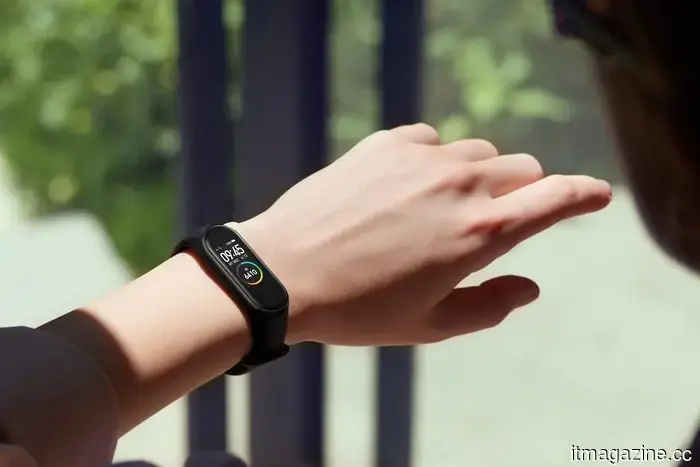
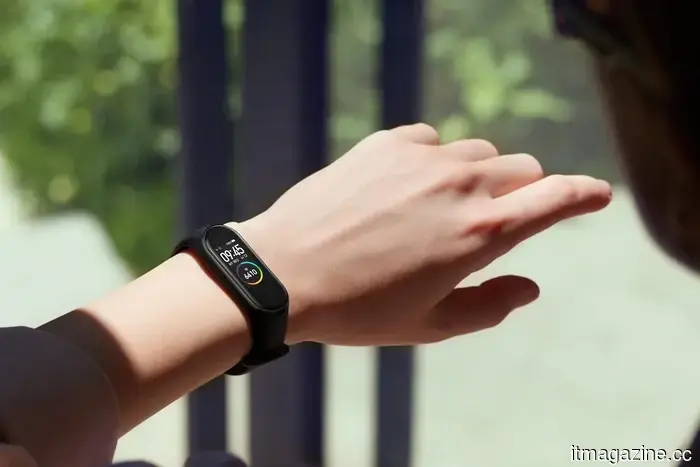
A study reveals that fitness trackers and smartphone applications assist patients with heart disease in maintaining an active lifestyle.
The humble fitness tracker might actually play a significant role in heart health.
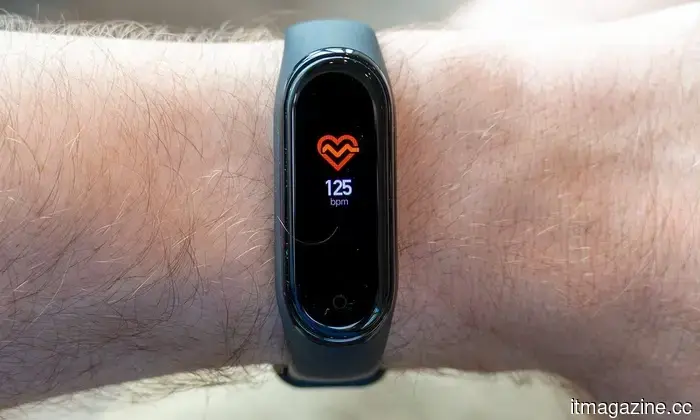
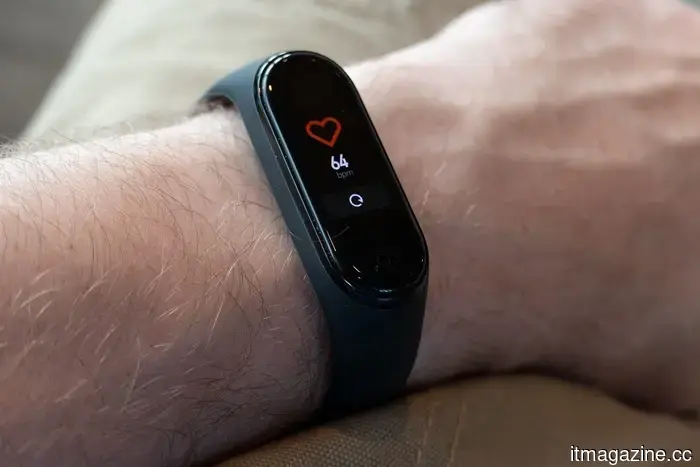
Fitness trackers and smartphone applications may offer benefits beyond simply monitoring your activity. A recent review published in the Journal of the American Heart Association indicated that individuals with cardiovascular disease who used smartphone apps, fitness trackers, or wearable devices were more physically active compared to those who did not utilize digital tools.
The review analyzed 14 clinical trials with 1,057 participants diagnosed with cardiovascular conditions, including coronary heart disease, heart failure, history of heart attack, or stroke. Participants who engaged with apps or wearable devices walked nearly 1,100 additional steps each day and increased their daily moderate-to-vigorous physical activity by about four extra minutes compared to those not using these tools.
Why even minor increases in movement are significant
For many managing heart disease, even small improvements in activity can have a considerable impact. While cardiac rehabilitation is often recommended, accessing traditional programs can be challenging due to factors such as distance, cost, time, and mobility issues.
In this context, smartphones and wearables have a clear advantage. They are conveniently available, offering reminders, feedback, daily step targets, motivational messages, coaching, and tracking of progress without the necessity of visiting a rehabilitation center. Some programs reviewed also incorporated gamification, quizzes, rewards, and goal assessments to maintain user engagement. Essentially, the same prompts that may annoy during a lazy afternoon could prove beneficial when integrated into a health management plan.
This is not a miracle solution
While the review showed improvements in daily steps and activity duration, it did not reveal significant gains in peak oxygen consumption or walking distance. Researchers emphasized the need for longer studies to determine whether such habits are sustainable over time and whether they contribute to enhanced long-term health results.
Thus, while your fitness tracker can be a helpful support tool, it should not replace medical care, cardiac rehabilitation, medication, or professional guidance. Nonetheless, these findings strengthen the argument for the efficacy of wearable technology beyond merely tracking sleep, maintaining streaks, and estimating calories. For those dealing with heart diseases, a smartphone app or fitness tracker can encourage more proactive movement in everyday life.




Other articles
 Within the uprising at Meta's Applied AI division
Meta's Applied AI division, consisting of 6,500 employees, is in outright rebellion, as top engineers are being assigned to label data, and even the CTO has labeled the reorganization as 'atrocious'.
Within the uprising at Meta's Applied AI division
Meta's Applied AI division, consisting of 6,500 employees, is in outright rebellion, as top engineers are being assigned to label data, and even the CTO has labeled the reorganization as 'atrocious'.
 Architect Labs secures $24 million for the design of custom AI chips.
Architect Labs secured $24 million in seed funding led by Kindred Ventures to develop an AI that designs and validates custom chips, positioning itself against Broadcom and Marvell.
Architect Labs secures $24 million for the design of custom AI chips.
Architect Labs secured $24 million in seed funding led by Kindred Ventures to develop an AI that designs and validates custom chips, positioning itself against Broadcom and Marvell.
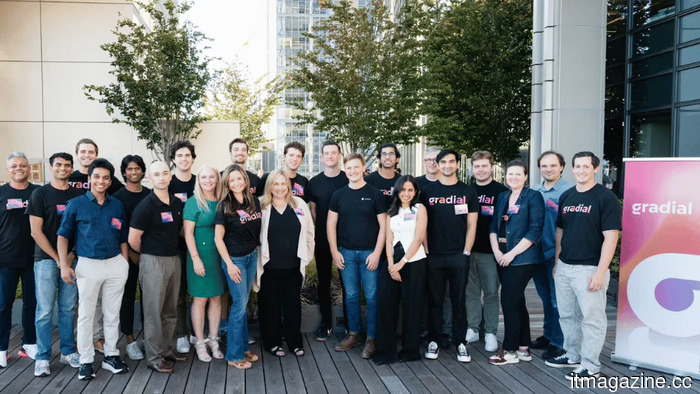 Gradial secures $65 million for agentic enterprise marketing.
Seattle's Gradial has secured $65 million in a Series C funding round, led by Insight Partners, achieving a valuation of $675 million as it implements AI agents within enterprise marketing tools.
Gradial secures $65 million for agentic enterprise marketing.
Seattle's Gradial has secured $65 million in a Series C funding round, led by Insight Partners, achieving a valuation of $675 million as it implements AI agents within enterprise marketing tools.
 Accenture's stock fell by 20% while the company acquired $4.18 billion worth of cybersecurity.
Accenture's stock dropped an unprecedented 20% amid concerns that AI is impacting the consulting industry, despite the company's decision to acquire Dragos, runZero, and NetRise for $4.18 billion in the cybersecurity sector.
Accenture's stock fell by 20% while the company acquired $4.18 billion worth of cybersecurity.
Accenture's stock dropped an unprecedented 20% amid concerns that AI is impacting the consulting industry, despite the company's decision to acquire Dragos, runZero, and NetRise for $4.18 billion in the cybersecurity sector.
 Adobe's significant week of AI: Firefly, Disney, Semrush, LinkedIn
In just three days, Adobe integrated an AI agent into Photoshop, secured a deal with Disney for Firefly, introduced a tool for monitoring brands in ChatGPT, and collaborated with LinkedIn.
Adobe's significant week of AI: Firefly, Disney, Semrush, LinkedIn
In just three days, Adobe integrated an AI agent into Photoshop, secured a deal with Disney for Firefly, introduced a tool for monitoring brands in ChatGPT, and collaborated with LinkedIn.
 The EU is set to designate AWS and Azure as gatekeepers under the Digital Markets Act.
Next week, the European Commission will reveal initial findings indicating that AWS and Azure satisfy the DMA gatekeeper criteria. This will be followed by measures to enhance interoperability and reduce lock-in.
The EU is set to designate AWS and Azure as gatekeepers under the Digital Markets Act.
Next week, the European Commission will reveal initial findings indicating that AWS and Azure satisfy the DMA gatekeeper criteria. This will be followed by measures to enhance interoperability and reduce lock-in.
A study reveals that fitness trackers and smartphone applications assist patients with heart disease in maintaining an active lifestyle.
A recent review by the American Heart Association discovered that smartphone applications and wearable devices assisted patients with heart disease in walking more and boosting their daily activity levels.