
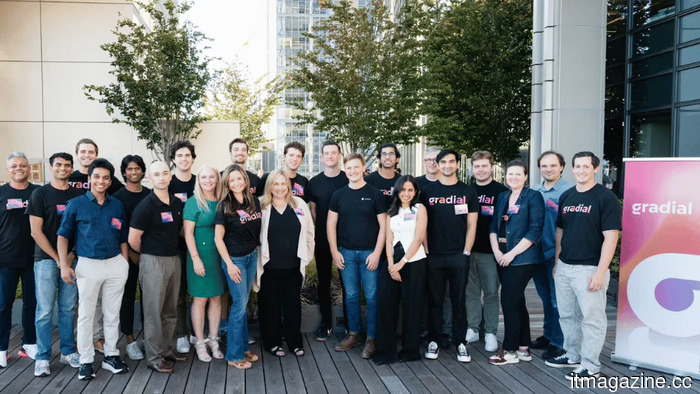
Gradial secures $65 million for agentic enterprise marketing.
Every software firm is hurrying to integrate an AI agent into its products. Gradial, however, is wagering that the real potential lies in the connections between these tools.
This Seattle startup has secured $65 million in Series C funding to create what it describes as a marketing operating system: a suite of AI agents that perform tasks across various tools already utilized by large organizations, rather than isolated bots confined within individual applications.
As announced by Axios, this funding round was led by Insight Partners, valuing the company at $675 million. Current investors VMG, Madrona, and PruVen Capital also participated, raising Gradial's total funding to over $110 million in the last 16 months.
“Gradial aims to be the AI glue that integrates everything seamlessly, enhancing efficiency and satisfaction for marketers,” said CEO Doug Tallmadge in an interview with Axios. “You should have a single agent that covers your entire workflow, rather than separate agents for each task."
In practice, this involves connecting agents to platforms like Adobe, Salesforce, ServiceNow, and Databricks, managing the operational details required to publish content, including authoring, quality assurance, brand compliance checks, and navigating a company’s existing approval processes. A significant use case specifically addresses the current anxiety in marketing.
Gradial's agents can identify where a brand is absent from AI-generated responses, draft the necessary corrections, submit them for approval, and publish across platforms, all without requiring a human to submit an agency ticket.
The company is focused on orchestration instead of creating yet another standalone tool, aligning with the trend of startups developing orchestration layers for enterprise AI as firms deploy agents quicker than they can connect them. Gradial’s value proposition is that marketers can concentrate on strategy and creativity while the agents manage the operational aspects.
Early adopters primarily originated from heavily regulated industries like healthcare and financial services, where Tallmadge notes that the ability to embed compliance rules into workflows is critical for agents to address requirements that humans might overlook.
Gradial’s clientele now includes prominent companies such as AWS, Prudential, T-Mobile, Vanguard, Kaiser Permanente, and US Bank. According to Gradial, T-Mobile achieved an 80-90% reduction in campaign execution time, a claim corroborated by one of the carrier's executives, though not independently verified.
The four co-founders met at Dartmouth and launched Gradial in 2023, soon after the release of ChatGPT. Tallmadge and Chief Technology Officer Deip Kumar are both former SpaceX employees, while Chief Growth Officer Anish Chadalavada previously worked on AI strategy at Microsoft.
The 100-employee company intends to utilize this new funding to expand its teams in engineering, sales, and marketing as the broader trend of enterprise AI agents shifts from pilot projects to the daily operations of businesses.
Other articles
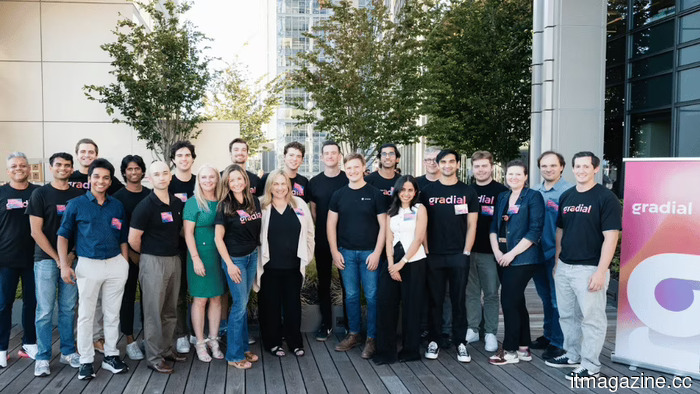 Gradial secures $65 million for agentic enterprise marketing.
Seattle's Gradial has secured $65 million in Series C funding, led by Insight Partners, with a valuation of $675 million, focusing on the implementation of AI agents in enterprise marketing tools.
Gradial secures $65 million for agentic enterprise marketing.
Seattle's Gradial has secured $65 million in Series C funding, led by Insight Partners, with a valuation of $675 million, focusing on the implementation of AI agents in enterprise marketing tools.
 Verse, supported by Nvidia, has secured $54 million to enhance AI data center capabilities.
Verse secured $54 million in a Series B funding round led by Bessemer, with support from Nvidia, to assist AI data centers in bypassing the grid queue through the use of on-site batteries.
Verse, supported by Nvidia, has secured $54 million to enhance AI data center capabilities.
Verse secured $54 million in a Series B funding round led by Bessemer, with support from Nvidia, to assist AI data centers in bypassing the grid queue through the use of on-site batteries.
 Google is enhancing Pixel Screenshots with cloud AI technology while ensuring your data remains private.
The latest update for Google’s Pixel Screenshots app introduces cloud-based AI processing, enhancing its ability to search and analyze your screenshots while ensuring that data remains in a hardware-secured environment.
Google is enhancing Pixel Screenshots with cloud AI technology while ensuring your data remains private.
The latest update for Google’s Pixel Screenshots app introduces cloud-based AI processing, enhancing its ability to search and analyze your screenshots while ensuring that data remains in a hardware-secured environment.
 Architect Labs secures $24 million for the design of custom AI chips.
Architect Labs secured $24 million in seed funding, led by Kindred Ventures, to develop an AI that creates and verifies custom chips, aiming to compete with Broadcom and Marvell.
Architect Labs secures $24 million for the design of custom AI chips.
Architect Labs secured $24 million in seed funding, led by Kindred Ventures, to develop an AI that creates and verifies custom chips, aiming to compete with Broadcom and Marvell.
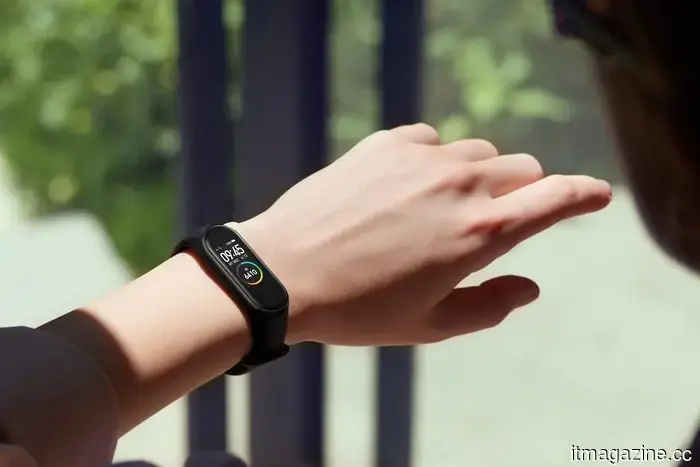 A study reveals that fitness trackers and smartphone applications assist patients with heart disease in maintaining an active lifestyle.
A recent review by the American Heart Association discovered that smartphone applications and wearable devices assisted patients with heart disease in walking more and boosting their daily activity levels.
A study reveals that fitness trackers and smartphone applications assist patients with heart disease in maintaining an active lifestyle.
A recent review by the American Heart Association discovered that smartphone applications and wearable devices assisted patients with heart disease in walking more and boosting their daily activity levels.
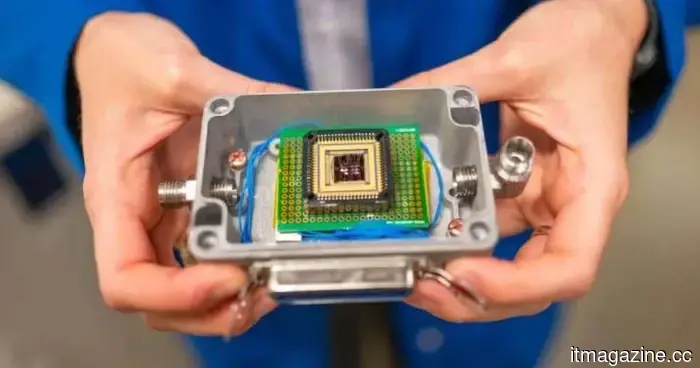 An unusual small electronic sensor could be the key component for smart refrigerators.
The electric nose developed by UC Berkeley employs a carbon nanotube gas sensor chip to identify spoiled food and allergens; however, the true challenge lies in navigating crowded refrigerators and the odors of mixed foods.
An unusual small electronic sensor could be the key component for smart refrigerators.
The electric nose developed by UC Berkeley employs a carbon nanotube gas sensor chip to identify spoiled food and allergens; however, the true challenge lies in navigating crowded refrigerators and the odors of mixed foods.
Gradial secures $65 million for agentic enterprise marketing.
Seattle's Gradial has secured $65 million in a Series C funding round, led by Insight Partners, achieving a valuation of $675 million as it implements AI agents within enterprise marketing tools.