
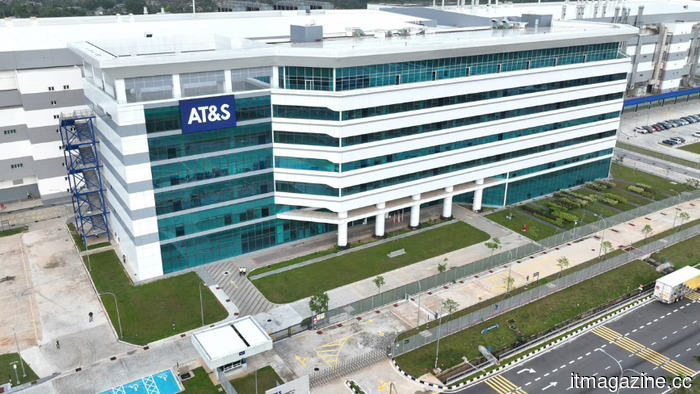
AT&S invests as much as €2 billion in Malaysia and China to capitalize on the AI chip surge.
AT&S, the Austrian manufacturer of printed circuit boards and chip substrates, is set to invest between €1.5 billion and €2 billion to enhance its capacity for high-end IC substrates used in AI and high-performance computing chips, according to the company. This initiative includes its plant in Kulim, Malaysia, and its facility in Chongqing, China, and is supported by a partnership with AMD, along with a second unnamed technology firm.
Substrates serve as the essential, although less glamorous, foundation of the AI supply chain, supporting processors and connecting them to the surrounding board. As chip complexity increases, the production of substrates becomes more challenging and their value rises, prompting a specialized supplier to commit up to €2 billion to expand production. This new capacity is specifically targeted at the growing demand from AI and HPC applications.
In Malaysia, the funds will be used to enhance existing capabilities at the Kulim plant and activate a previously idle building at the site's second facility. The Chongqing expansion is driven by heightened demand from what AT&S has identified as a key customer. The company describes both projects as direct responses to visible orders rather than speculative endeavors.
This distinction is reflected in the financing strategy. AT&S announced that the €1.5 billion to €2 billion investment is entirely backed by long-term customer commitments, though it clarified that these commitments remain subject to final agreements. This approach minimizes the risk of overbuilding, as the capacity increases are being developed based on confirmed contracts rather than projections.
In Malaysia, the expansion further solidifies the country’s role as a critical node in the AI hardware supply chain, positioned between chip design and the data centers that utilize the finished products. The Kulim facility in Kedah has already seen a ramp-up in substrate production in recent years, and the additional capacity represents a continued collaborative investment by AT&S and Malaysia.
The two-country strategy also sends a message. By diversifying the expansion between Malaysia and China, AT&S can cater to customers on both sides of a fragmented semiconductor landscape, where Western chip manufacturers and their suppliers are increasingly cautious about concentrating advanced manufacturing in a single location. Kulim situates AT&S within the expanding chip ecosystem of Southeast Asia, while Chongqing keeps it aligned with Chinese demand. This approach serves both as a strategic hedge and an expansion.
The partnership with AMD is significant for the same reasons that substrates are important. AMD’s data center and AI accelerators are pivotal in driving demand for the high-layer-count substrates that AT&S produces. A commitment from a major customer like AMD is what converts a capacity plan into a financed project. The presence of a second unnamed partner indicates that this demand is supported by more than just one client.
AT&S has not disclosed the specific allocation of the investment between the two sites or a timeline for the completion of the new capacity. What they have provided is the overall investment figure, the AMD partnership, and the demand they believe justifies both projects.
Other articles
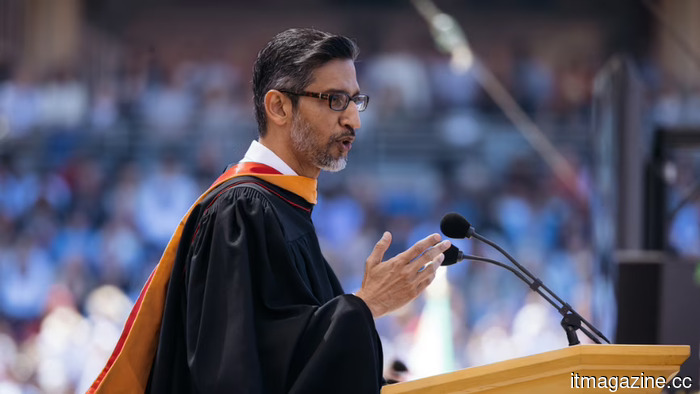 Sundar Pichai from Google opted for a positive outlook on AI at Stanford, yet graduates still chose to walk out.
Sundar Pichai from Google delivered the commencement address for Stanford's class of 2026, avoiding discussions on AI while students exited due to issues related to the Project Nimbus contract.
Sundar Pichai from Google opted for a positive outlook on AI at Stanford, yet graduates still chose to walk out.
Sundar Pichai from Google delivered the commencement address for Stanford's class of 2026, avoiding discussions on AI while students exited due to issues related to the Project Nimbus contract.
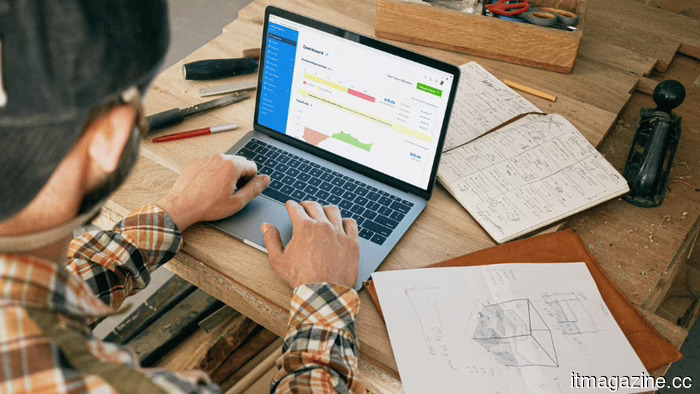 FreshBooks offer: 70% discount for freelancers | TNW
FreshBooks is offering a 70% discount for four months on Lite, Plus, or Premium plans. This promotion helps freelancers reclaim their evenings. A 30-day free trial is available.
FreshBooks offer: 70% discount for freelancers | TNW
FreshBooks is offering a 70% discount for four months on Lite, Plus, or Premium plans. This promotion helps freelancers reclaim their evenings. A 30-day free trial is available.
 The US directive to prevent foreign access to Anthropic's leading models signifies a shift in policy.
Washington instructed Anthropic to exclude foreign nationals from accessing Fable 5 and Mythos 5. The company responded by disabling these products globally and described the action as excessive.
Fox purchases Roku in a $22 billion streaming gamble.
Fox purchases Roku for $160 per share, giving it a valuation of approximately $22 billion, in order to combine its live sports and news offerings with the platform that reaches 100 million streaming households.
The US directive to prevent foreign access to Anthropic's leading models signifies a shift in policy.
Washington instructed Anthropic to exclude foreign nationals from accessing Fable 5 and Mythos 5. The company responded by disabling these products globally and described the action as excessive.
Fox purchases Roku in a $22 billion streaming gamble.
Fox purchases Roku for $160 per share, giving it a valuation of approximately $22 billion, in order to combine its live sports and news offerings with the platform that reaches 100 million streaming households.
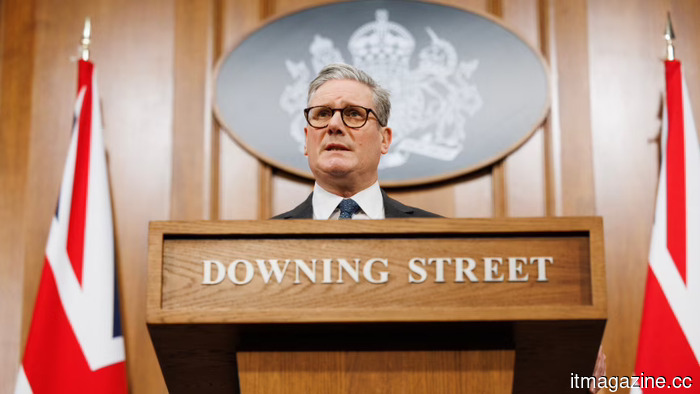 Social media regulations for under-16s in the UK will extend to gaming and AI chatbots.
Keir Starmer is anticipated to outline limitations on social media for those under 16, with restrictions extending to AI chatbots and interactions with strangers in gaming applications.
Social media regulations for under-16s in the UK will extend to gaming and AI chatbots.
Keir Starmer is anticipated to outline limitations on social media for those under 16, with restrictions extending to AI chatbots and interactions with strangers in gaming applications.
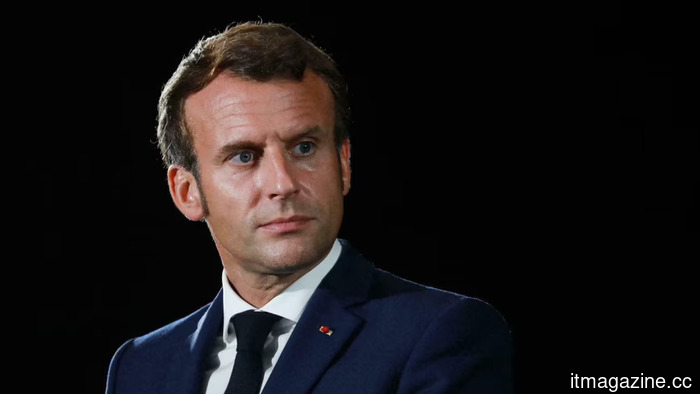 France is organizing the G7, promoting an AI initiative that relies on the wealth of others.
While France hosts the G7, Macron is looking to AI to shape his legacy, supported by SoftBank’s plan for data centers worth up to €75 billion and a €93 billion investment from Choose France.
France is organizing the G7, promoting an AI initiative that relies on the wealth of others.
While France hosts the G7, Macron is looking to AI to shape his legacy, supported by SoftBank’s plan for data centers worth up to €75 billion and a €93 billion investment from Choose France.
AT&S invests as much as €2 billion in Malaysia and China to capitalize on the AI chip surge.
Austria's AT&S plans to invest as much as €2 billion to increase its IC-substrate production capacity in Malaysia and China to support AI and high-performance computing, a move that is supported by a partnership with AMD.