
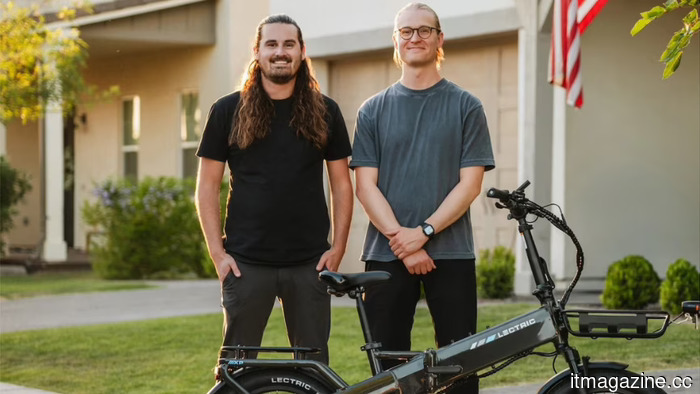
Lectric flourishes as venture capital-backed e-bike competitors face bankruptcy.
The e-bike industry has spent the past two years witnessing the downfall of many prominent players. VanMoof, the Dutch startup that raised over €200 million, filed for bankruptcy in July 2023. Rad Power Bikes, the Seattle-based firm that raised $330 million and was previously valued at $1.65 billion, sought Chapter 11 protection in December 2025, with its assets sold for $13.2 million.
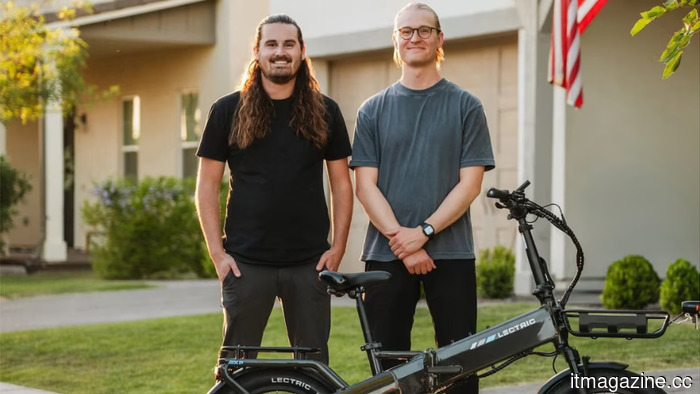
Meanwhile, Lectric eBikes, based in Phoenix, Arizona, observed these events unfold. The company has never sought venture capital and just recorded its highest sales month to date. CEO Levi Conlow informed TechCrunch that Lectric sold nearly 30,000 bikes last month, claiming, “I’m not sure anyone has done that before, even during the peak of COVID.”
While others in the industry are pulling back, Lectric is expanding. Over the past six months, the company has introduced three new brands. It revived Juiced Bikes, an e-bike brand acquired in distress in 2025, launched Juiced Powersports which will deliver its first electric motorcycle in August, and recently established Monarc, a premium adventure brand led by industry veterans Julia Moran and Ryan Callahan.
Lectric has invested approximately $10 million across these three initiatives. The company employs 170 people and ships 90% of its products directly to consumers through a website that attracts two to four million visitors monthly. In 2025, it shipped 150,000 units.
“While others may be retracting or seeking funding, we are actively investing,” Conlow stated. “I genuinely believe the market isn’t saturated.” He mentioned several companies that have ceased operations or exited the US market, adding, “I think there’s a significant lack of worthy competition at the moment.”
Conlow and co-founder Robby Deziel established Lectric seven years ago as childhood friends. They initially bootstrapped the company until 2020 when they accepted an investment from private equity firm Bertram Capital Management, without ever involving venture capital.
Their strategy—to bootstrap, maintain profitability, allow better-funded competitors to fail, and subsequently expand—could serve as a blueprint for founders in various hardware sectors. The venture-backed e-bike companies that failed tended to follow a common thread: extensive fundraising and rapid scaling driven by pandemic-related demand, followed by a post-pandemic correction that left them overstocked with bikes, overstaffed, and with diminished profit margins.
Rad Power’s collapse provided significant insights. The company concluded with $32 million in assets against $73 million in liabilities, with US Customs and Border Protection as its largest creditor, owed $8.4 million in unpaid tariffs. The journey from a $1.65 billion valuation to a $13.2 million liquidation in just three years illustrates this downfall.
Conlow is intentional about structuring his expansion. Each of the three new brands operates with its own teams for product engineering, branding, marketing, and customer service. While they share Lectric’s supply chain and purchasing capabilities, they function independently.
“We’ve learned that Lectric cannot cater to everyone,” Conlow remarked. Showcasing a Juiced model on the Lectric homepage could divert attention from the successful XP Series. “Focus is key. When you concentrate, you can delve much deeper into that area.”
He even envisions healthy competition among the brands. “We don’t want three brands that resemble each other in appearance and performance. There should be healthy rivalry between them.”
Monarc is set to launch its first product, the Marker, an all-terrain trail e-bike, shipping to customers in July. This model features two LG 48-volt 15Ah batteries providing 720 watt-hours each, both UL 2271 certified—an unusual offering in the sector. Its specifications include a Bafang motor, Shimano drivetrain, 5-amp fast charger, and a 3.5-inch color touchscreen that syncs with accessories like rearview radar and smart helmets.
The brand emphasizes a five-year warranty and human customer support. Conlow quickly noted that none of its brands will employ AI for customer service, contrasting with the trend this year as many companies strive to automate this function.
It remains uncertain if Lectric will continue to launch new brands. Conlow indicated that their current initiatives are sufficient for now. However, the underlying premise is clear: the wave of bankruptcies in the e-bike market does not signify a dying industry but rather highlights that the wrong companies, founded on flawed capital structures, were attempting to navigate it.
Other articles
 Reid Hoffman steps down from the Microsoft board to enter 'founder mode' with the AI drug company Manus.
Reid Hoffman, co-founder of LinkedIn, is resigning from Microsoft's board after almost ten years in order to concentrate on Manus, his AI-driven drug discovery startup.
Reid Hoffman steps down from the Microsoft board to enter 'founder mode' with the AI drug company Manus.
Reid Hoffman, co-founder of LinkedIn, is resigning from Microsoft's board after almost ten years in order to concentrate on Manus, his AI-driven drug discovery startup.
 The EU trade commissioner is advocating for a new mechanism to reduce Europe’s reliance on Chinese semiconductors and rare earth minerals.
Maroš Šefčovič advocated for a "diversification instrument" based on the Energy Union to reduce industry reliance on single suppliers in critical sectors.
The EU trade commissioner is advocating for a new mechanism to reduce Europe’s reliance on Chinese semiconductors and rare earth minerals.
Maroš Šefčovič advocated for a "diversification instrument" based on the Energy Union to reduce industry reliance on single suppliers in critical sectors.
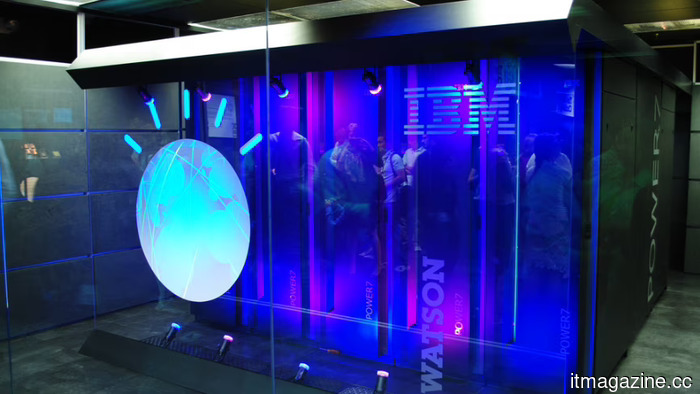 A former executive from IBM's cybersecurity division alleges that the company concealed breaches related to Chinese hacking.
A whistleblower lawsuit claims that IBM hid incidents of breaches by Chinese hackers, who attacked its network over 56,000 times, and failed to inform the US government.
A former executive from IBM's cybersecurity division alleges that the company concealed breaches related to Chinese hacking.
A whistleblower lawsuit claims that IBM hid incidents of breaches by Chinese hackers, who attacked its network over 56,000 times, and failed to inform the US government.
 Self-replicating Miasma worm targets 73 repositories on Microsoft GitHub in a supply chain attack.
GitHub has disabled 73 Microsoft repositories following the Miasma worm's exploitation of previously compromised credentials to introduce malware aimed at AI coding agents.
Self-replicating Miasma worm targets 73 repositories on Microsoft GitHub in a supply chain attack.
GitHub has disabled 73 Microsoft repositories following the Miasma worm's exploitation of previously compromised credentials to introduce malware aimed at AI coding agents.
 Lectric excels as venture capital-backed e-bike competitors face bankruptcy.
Last month, Lectric eBikes sold 30,000 bicycles and introduced three new brands, all without relying on venture capital, while Rad Power and VanMoof failed after securing hundreds of millions in funding.
Lectric excels as venture capital-backed e-bike competitors face bankruptcy.
Last month, Lectric eBikes sold 30,000 bicycles and introduced three new brands, all without relying on venture capital, while Rad Power and VanMoof failed after securing hundreds of millions in funding.
Lectric flourishes as venture capital-backed e-bike competitors face bankruptcy.
Lectric eBikes sold 30,000 bikes in the previous month and introduced three new brands, all without relying on venture capital, while Rad Power and VanMoof faced collapse despite having raised hundreds of millions.