
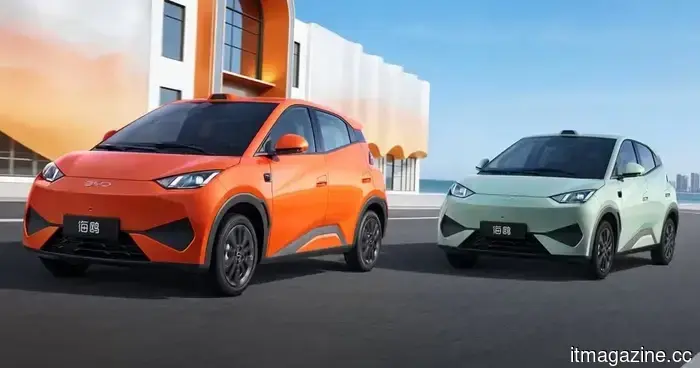
Tesla's main competitor introduces self-driving capabilities with comprehensive crash coverage at a significantly lower price.
BYD's God's Eye technology poses a challenge for Tesla with a significantly lower cost.
BYD has struck another significant blow to Tesla. The company has unveiled a new self-driving package that greatly undercuts Tesla's driver-assistance service pricing. The Chinese electric vehicle leader announced its new service package called God's Eye, with chairman Wang Chuanfu stating that BYD's primary aim is to achieve “zero traffic accidents.”
During a recent press briefing, he declared that BYD will completely cover compensation and repairs for accidents that occur while drivers are utilizing its City Navigation function, and this will not impact the user's insurance premiums for the following year.
BYD expresses confidence in its self-driving technology.
The new insurance provided by BYD applies to its God’s Eye A/B systems, meaning new customers are covered right from delivery, while current owners can access it after updating to the latest God’s Eye 5.0 over the air. The policy seems to cover accidents where the driver is at fault, encompassing repairs to the owner’s vehicle, damages to third-party property, and personal injuries, assuming the system is used in compliance with regulations.
Additionally, there is no need to purchase extra “intelligent driving insurance,” no payout limit, and no impact on next year’s commercial insurance premiums. BYD demonstrates confidence in its technology with this commitment, while still emphasizing that drivers must remain vigilant, and it does not absolve the human operator of responsibility.
The pricing aspect makes the competition even more intense.
The most striking detail is the pricing. BYD allows users to upgrade to God’s Eye B for just 12,000 Yuan, which translates to approximately $1,770. In China, Tesla’s equivalent assisted-driving package, renamed as Tesla Assisted Driving, costs 64,000 Yuan or about $9,400, with no subscription option available. This puts BYD’s upgrade at about one-fifth of Tesla's price in the Chinese market.
Meanwhile, Tesla's pricing in the US has also seen significant changes. The company currently offers FSD (Supervised) at $99 per month, requiring drivers to remain attentive. Recently, Tesla transitioned FSD to a subscription-only model for new customers. Previously, US buyers could purchase FSD outright for $8,000, following a price reduction from $12,000 in 2024.
In any case, BYD is undercutting Tesla by a significant amount. It is making advanced driving features more affordable and accessible, and this added commitment highlights its intent to build trust as well.
Vikhyaat Vivek is a tech journalist and reviewer with seven years of experience focusing on consumer hardware, among other areas.
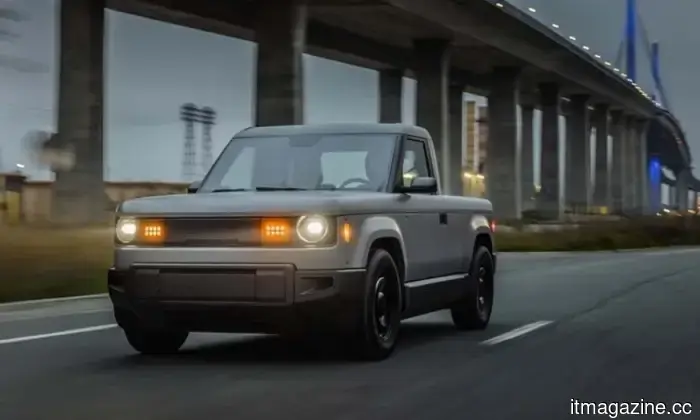
Slate's budget EV truck will begin accepting pre-orders in June, but the price remains undisclosed.
Slate Auto's affordable electric truck is nearing its launch, with pre-orders starting on June 24, 2026, for a $300 fee. The startup is also taking refundable $50 reservations, and recent communications to potential customers urge them to reserve early to secure a delivery date ahead of those who wait for the pre-order phase. While we have the pre-order dates, the actual pricing has yet to be revealed.
Low-cost sodium batteries are already reaching performance levels similar to Tesla batteries in China.
Researchers have found that Hina’s commercial sodium-ion batteries are approaching significant performance metrics of Tesla's lithium-ion cells, increasing pressure on the latter's cost advantage. Tests on Hina’s cells indicate consistent output, high power capabilities, and design choices mirroring Tesla's batteries. While the low-cost sodium battery still needs improvements, especially for cold-weather charging, it suggests a more affordable future for electric vehicles, grid storage, and commercial applications that don’t require maximum driving range.
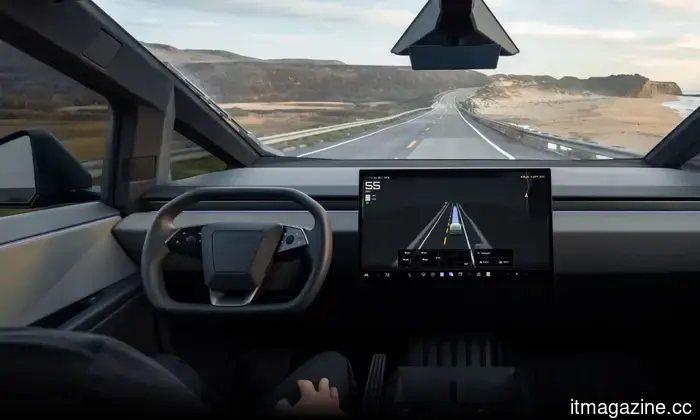
Tesla aims to instill confidence in its self-driving technology, yet even its AI trainers remain skeptical.
Elon Musk has been advocating for a fully autonomous Tesla for nearly a decade, claiming that such a future is imminent. However, a recent investigation by Reuters indicates that even those closest to the technology—the employees responsible for training the AI—are hesitant to trust it. Hundreds of Tesla staff review footage from cars using Full Self-Driving, witnessing incidents such as animals being struck without the car braking, near misses with children, and Teslas exceeding speed limits by 20 to 30 mph. Despite the concerning evidence, Musk continues to assert that FSD is ready to take control.

Other articles
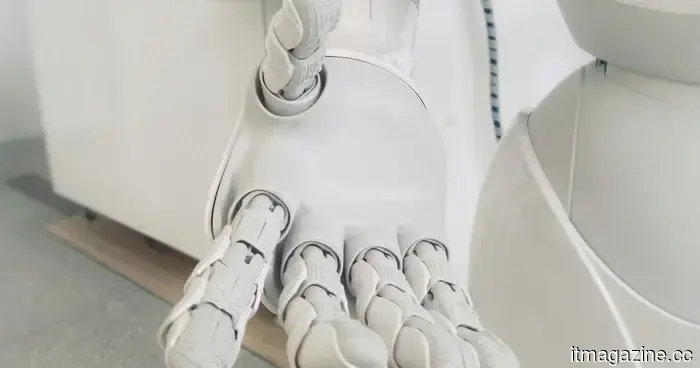 Similar to humans, this robot is capable of hearing music and can play it after only two minutes of self-training.
USC's Musician Hand learned to play the piano by ear in just two minutes through a process resembling infant motor babbling.
Similar to humans, this robot is capable of hearing music and can play it after only two minutes of self-training.
USC's Musician Hand learned to play the piano by ear in just two minutes through a process resembling infant motor babbling.
 Copilot has undergone a redesign and aims to enhance functionality while maintaining a visually appealing appearance.
Microsoft is transforming Copilot to create a workspace that adjusts to your needs. The revamp emphasizes a cleaner interface, enhanced contextual awareness, and reduced disruptions during your work.
Copilot has undergone a redesign and aims to enhance functionality while maintaining a visually appealing appearance.
Microsoft is transforming Copilot to create a workspace that adjusts to your needs. The revamp emphasizes a cleaner interface, enhanced contextual awareness, and reduced disruptions during your work.
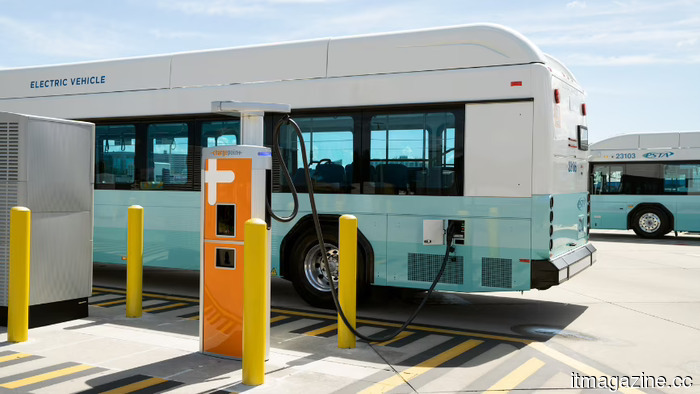 ChargePoint partners with Powers Parts for electric bus transit charging.
ChargePoint and Powers Parts have collaborated to offer charging solutions and fleet telematics to transit agencies operating PhoenixEV buses, filling the service void created by Proterra's bankruptcy.
CoStar acquires Zonda for $800 million to finalize its real estate data empire.
CoStar has purchased the new-home data platform Zonda for $800 million in cash, completing the final piece of a real estate information empire established through over 40 acquisitions totaling $7.3 billion.
ChargePoint partners with Powers Parts for electric bus transit charging.
ChargePoint and Powers Parts have collaborated to offer charging solutions and fleet telematics to transit agencies operating PhoenixEV buses, filling the service void created by Proterra's bankruptcy.
CoStar acquires Zonda for $800 million to finalize its real estate data empire.
CoStar has purchased the new-home data platform Zonda for $800 million in cash, completing the final piece of a real estate information empire established through over 40 acquisitions totaling $7.3 billion.
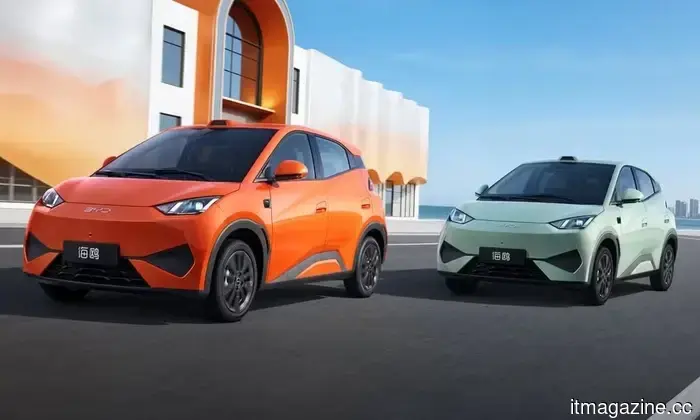
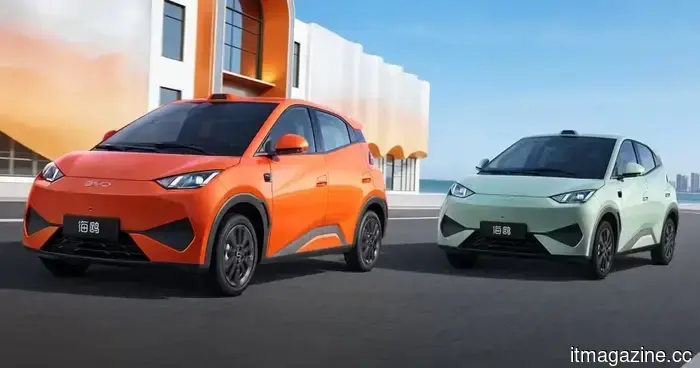 Tesla’s biggest competitor introduces self-driving technology with comprehensive crash coverage at a much lower price.
BYD is promoting its God’s Eye assisted-driving system by offering a crash-cost coverage guarantee and a 12,000 yuan upgrade fee, which is lower than Tesla’s assisted-driving package.
Tesla’s biggest competitor introduces self-driving technology with comprehensive crash coverage at a much lower price.
BYD is promoting its God’s Eye assisted-driving system by offering a crash-cost coverage guarantee and a 12,000 yuan upgrade fee, which is lower than Tesla’s assisted-driving package.
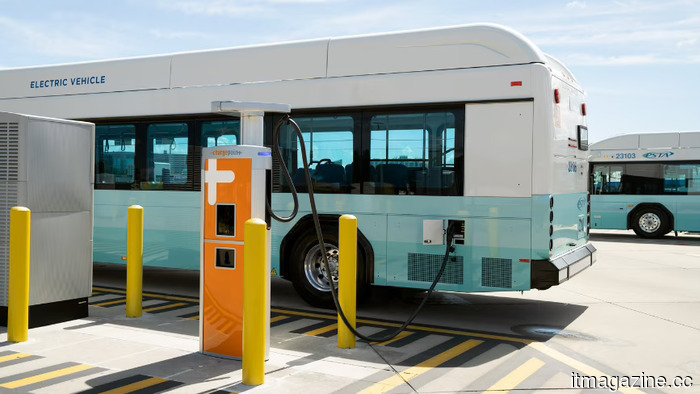 ChargePoint partners with Powers Parts to provide charging solutions for transit electric buses.
ChargePoint and Powers Parts have teamed up to provide charging solutions and fleet telematics to transit agencies operating PhoenixEV buses, filling the service void created by Proterra's bankruptcy.
ChargePoint partners with Powers Parts to provide charging solutions for transit electric buses.
ChargePoint and Powers Parts have teamed up to provide charging solutions and fleet telematics to transit agencies operating PhoenixEV buses, filling the service void created by Proterra's bankruptcy.
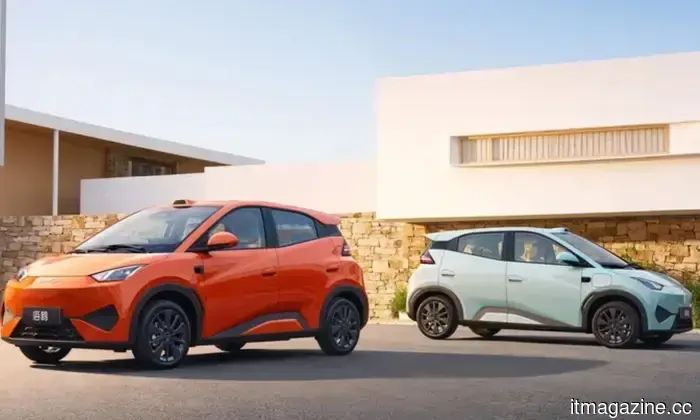
Tesla's main competitor introduces self-driving capabilities with comprehensive crash coverage at a significantly lower price.
BYD is promoting its God’s Eye assisted-driving system by offering a crash-cost coverage guarantee and a 12,000 yuan upgrade fee, which is lower than Tesla's assisted-driving package.