
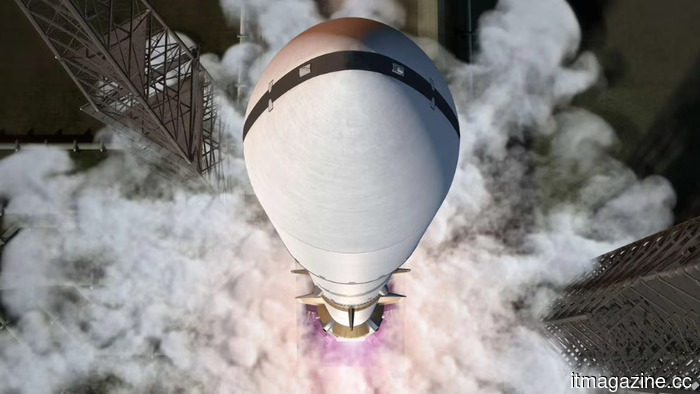
Blue Origin's New Glenn rocket detonates on the launch pad in Florida.
**Summary**: Blue Origin's New Glenn rocket experienced an explosion during a static fire test at Cape Canaveral on May 28, resulting in the destruction of the rocket, the erector gantry, and a lightning tower at the launch site. This incident jeopardizes Amazon's satellite deployment schedule and follows just a day after NASA granted Blue Origin a $188 million contract for a lunar base project.
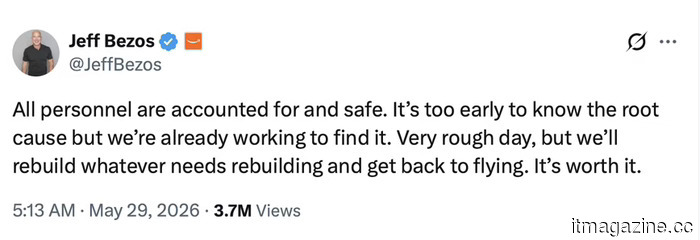
The New Glenn rocket exploded around 9 PM EDT as engineers were preparing for a test of its seven BE-4 methane-fueled engines while it was fully fueled with methane and liquid oxygen. Fortunately, all personnel were safe. Jeff Bezos stated on X that it was too soon to identify the cause of the explosion, but the company would work on rebuilding as necessary. Blue Origin referred to the event as an "anomaly."
The aftermath of the explosion reveals significant damage, as the erector gantry used to position the rocket was destroyed and one of the two lightning towers collapsed. This explosion is among the largest rocket failures in U.S. history and marks the first explosion on a launch pad at Cape Canaveral since a SpaceX Falcon 9 incident in September 2016. Launch Complex 36, the only site capable of launching New Glenn, is now incapacitated. After the Falcon 9 explosion, it took SpaceX three and a half months to return to flight and more than a year for the launch pad to become operational again. Blue Origin has not released a timeline for returning to flight or for rebuilding the infrastructure.
Initially, this static fire test was meant to kick off the NG-4 mission, scheduled for next week, which would have launched 48 Amazon Leo broadband satellites. This would have been the first of 24 contracted launches for Amazon's satellite internet constellation. New Glenn's previous flights have been troubled; despite an initial successful orbit in January 2025, subsequent missions faced failures, including the loss of an AST SpaceMobile satellite after a cryogenic leak.
Amazon's plans for the satellite internet service, previously called Project Kuiper, are now at risk. They plan to commercially launch the service by mid-2026 but need to have 1,618 satellites in orbit by a July 30, 2026 deadline—currently, they have only 210 to 241. Amazon has requested a two-year extension and arranged for 22 additional launches to meet the goal. However, the destruction of the launch pad and the loss of the NG-4 mission further tightens their timeline. While Amazon has other launch contracts, New Glenn was intended to play a significant role.
The explosion's timing is particularly unfortunate, occurring right after NASA announced a $188 million contract for Blue Origin to deliver lunar rovers as part of the Artemis program. NASA is aware of the situation and will provide updates on the impact on the Artemis and Moon Base programs.
Commercially, Blue Origin is at a crucial juncture, valued at around $100 billion and reportedly seeking external investments. In contrast, SpaceX is preparing for an IPO valued between $1.75 trillion and $2 trillion, with significantly more launches planned.
Moving forward, Blue Origin must investigate the explosion, rebuild the launch pad, and return to flight to resume its operations. The company has not disclosed how many New Glenn rockets are in production or how quickly it can replace the lost one. While SpaceX rebounded from its 2016 incident, Blue Origin lacks the same financial resources and proven track record. For Jeff Bezos, this explosion tests his long-standing belief that Blue Origin can become larger than Amazon. However, the commercial launch market demands reliability, and with a history of failures, the company faces challenges rebuilding its credibility with customers, regulators, and potential investors. Reconstructing the hardware is the simpler task compared to restoring trust.
Other articles
 Asana has purchased Stack AI for $75 million to develop an AI agent platform.
Asana has acquired Stack AI, which is supported by Y Combinator, for an estimated $75 million, integrating no-code AI agents into its platform. In the first quarter, revenue reached $205 million, while its stock is trading 53% lower than in January.
Asana has purchased Stack AI for $75 million to develop an AI agent platform.
Asana has acquired Stack AI, which is supported by Y Combinator, for an estimated $75 million, integrating no-code AI agents into its platform. In the first quarter, revenue reached $205 million, while its stock is trading 53% lower than in January.
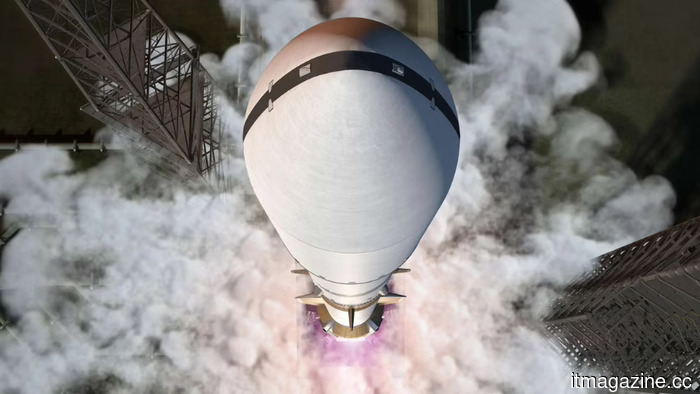 Blue Origin's New Glenn rocket detonates on a launch pad in Florida.
Blue Origin's New Glenn experienced an explosion during a static fire test at Cape Canaveral, leading to the destruction of its sole launch pad. This incident puts Amazon's satellite timeline and NASA's Moon Base contract in jeopardy.
Blue Origin's New Glenn rocket detonates on a launch pad in Florida.
Blue Origin's New Glenn experienced an explosion during a static fire test at Cape Canaveral, leading to the destruction of its sole launch pad. This incident puts Amazon's satellite timeline and NASA's Moon Base contract in jeopardy.
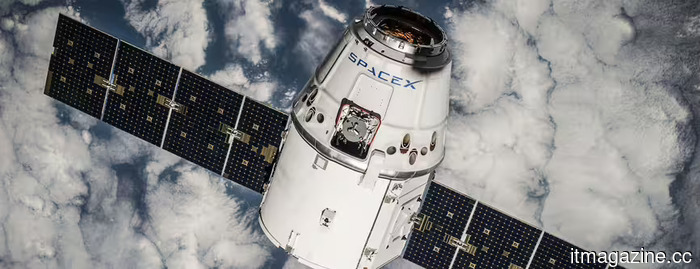 SpaceX reduces IPO target to $1.8 trillion, with marketing commencing on June 4.
SpaceX has lowered its IPO valuation estimate from over $2 trillion to a minimum of $1.8 trillion. Marketing efforts will commence on June 4, with pricing potentially occurring as soon as June 11. The projected revenue for 2025 is $18.7 billion, alongside a loss of $4.94 billion.
SpaceX reduces IPO target to $1.8 trillion, with marketing commencing on June 4.
SpaceX has lowered its IPO valuation estimate from over $2 trillion to a minimum of $1.8 trillion. Marketing efforts will commence on June 4, with pricing potentially occurring as soon as June 11. The projected revenue for 2025 is $18.7 billion, alongside a loss of $4.94 billion.
 Asana has purchased Stack AI for $75 million to develop an AI agent platform.
Asana has acquired Stack AI, which is backed by Y Combinator, for an estimated $75 million, thereby incorporating no-code AI agents into its platform. Revenue for Q1 reached $205 million, while the stock is trading 53% lower than it was in January.
Asana has purchased Stack AI for $75 million to develop an AI agent platform.
Asana has acquired Stack AI, which is backed by Y Combinator, for an estimated $75 million, thereby incorporating no-code AI agents into its platform. Revenue for Q1 reached $205 million, while the stock is trading 53% lower than it was in January.
 YouTube has introduced three new podcast features, but these are exclusively available to Premium subscribers.
YouTube has introduced three new podcast features exclusive to Premium subscribers, which will be gradually available for both Android and iOS devices.
YouTube has introduced three new podcast features, but these are exclusively available to Premium subscribers.
YouTube has introduced three new podcast features exclusive to Premium subscribers, which will be gradually available for both Android and iOS devices.
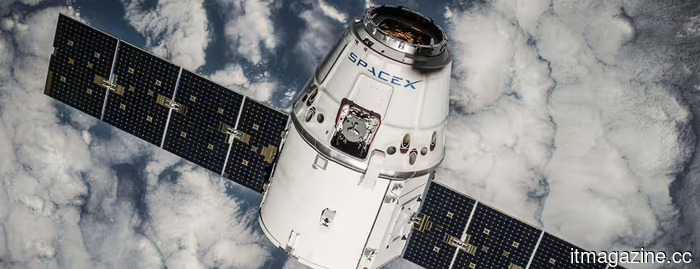 SpaceX reduces IPO target to $1.8 trillion, with marketing set to begin on June 4.
SpaceX has reduced its IPO valuation target from over $2 trillion to a minimum of $1.8 trillion. Marketing will start on June 4, with pricing potentially as soon as June 11. The company anticipates revenue of $18.7 billion in 2025, with a projected loss of $4.94 billion.
SpaceX reduces IPO target to $1.8 trillion, with marketing set to begin on June 4.
SpaceX has reduced its IPO valuation target from over $2 trillion to a minimum of $1.8 trillion. Marketing will start on June 4, with pricing potentially as soon as June 11. The company anticipates revenue of $18.7 billion in 2025, with a projected loss of $4.94 billion.
Blue Origin's New Glenn rocket detonates on the launch pad in Florida.
Blue Origin's New Glenn detonated during a static fire test at Cape Canaveral, obliterating its sole launch pad. This incident jeopardizes Amazon's satellite timeline and the NASA Moon Base contract.