
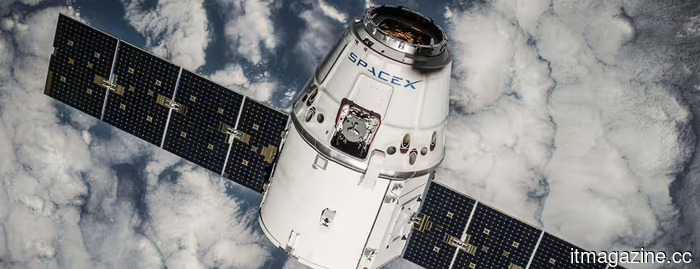
SpaceX reduces IPO target to $1.8 trillion, with marketing set to begin on June 4.
TL;DR SpaceX has revised its IPO valuation target from over $2 trillion to a minimum of $1.8 trillion following discussions with investors. Marketing begins on June 4, with potential pricing as soon as June 11. The company reported $18.7 billion in revenue for 2025 but recorded a loss of $4.94 billion after acquiring xAI.
SpaceX is aiming for a valuation of at least $1.8 trillion in its initial public offering, a decrease from its earlier target of over $2 trillion as mentioned in April, according to Bloomberg. This adjustment followed consultations with advisers and investors and could still rise depending on feedback received during the upcoming marketing period, anticipated to start on June 4. Pricing may occur as early as June 11.
The company seeks to raise up to $75 billion in this offering, which would set a record for the largest IPO in history. SpaceX plans to trade on Nasdaq and Nasdaq Texas under the ticker SPCX. The deal is being led by Goldman Sachs, Morgan Stanley, Bank of America, Citigroup, and JPMorgan, along with 18 other banks.
The figures supporting the offering reveal that SpaceX has experienced significant growth but has yet to achieve profitability at its current scale. Revenue increased from $14 billion in 2024 to $18.7 billion in 2025. However, the company shifted from a profit of $791 million in 2024 to a loss of $4.94 billion last year due to the costs associated with integrating xAI and expanding its AI infrastructure.
The February acquisition of Elon Musk’s AI firm xAI, which includes the Grok chatbot and social media platform X, valued SpaceX at $1 trillion and xAI at $250 billion at that time. This merger transformed SpaceX from a rocket and satellite internet provider to what its IPO pitch describes as an AI services and infrastructure firm, with a total addressable market of $28.5 trillion, covering orbital data centers and space-based computing.
Regarding the valuation adjustment, the decrease from over $2 trillion to $1.8 trillion is more about normal IPO pricing dynamics than a loss of confidence. Companies often set ambitious initial valuations and then adjust based on institutional investor feedback regarding their willingness to pay. At $1.8 trillion, SpaceX would still launch as one of the most valuable firms on any exchange, surpassing Amazon and only trailing Apple, Nvidia, Microsoft, and Alphabet.
Additionally, the financial structure surrounding Musk might influence this valuation. The S-1 disclosed a $20 billion bridge loan at 4.58%, which replaced $17.5 billion of high-interest debt from X and xAI, significantly reducing annual interest costs. Musk retains around 79% of the voting power, despite owning about 42% of the equity, which some investors have flagged as a governance concern due to its dual-class structure.
The timing of the valuation news coincided with Blue Origin’s New Glenn rocket exploding during a static fire test at Cape Canaveral, destroying the vehicle and its only launch pad. This incident highlights SpaceX’s dominance in the commercial launch sector, as the company plans 140 to 145 launches in 2026 and has completed more orbital missions than any other provider, while Blue Origin had intended to conduct 8 to 12 launches this year.
SpaceX has also faced its own challenges, including a Starship V3 booster failure shortly before the IPO filing. However, the company has established enough redundancy, with multiple launch pads and a reliable fleet of Falcon 9 rockets, such that individual failures have not impeded its commercial operations. The loss of Blue Origin's sole New Glenn pad represents a qualitatively different challenge.
Looking ahead, the formal marketing phase, known as the roadshow, will allow SpaceX’s management roughly a week to present their case to investors. The emphasis will be on Starlink’s satellite internet business, which produced $10.6 billion in revenue in 2025 and has over 10 million subscribers, in addition to the AI infrastructure ambitions of the xAI division.
At $1.8 trillion, SpaceX's valuation would be approximately 96 times its 2025 revenue—a multiple that represents investor expectations for continued hypergrowth rather than current profitability. The IPO includes an unusually high 30% allocation for retail investors, which could boost first-day demand but also introduce volatility. The final pricing will depend on institutional investors' reactions to a company that incurred nearly $5 billion in losses last year, yet claims it is developing the infrastructure for an AI-driven space economy.
Other articles
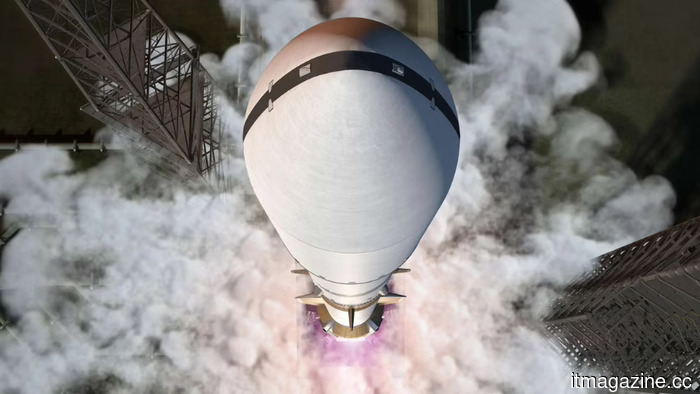 Blue Origin's New Glenn rocket detonates on a launch pad in Florida.
Blue Origin's New Glenn experienced an explosion during a static fire test at Cape Canaveral, leading to the destruction of its sole launch pad. This incident puts Amazon's satellite timeline and NASA's Moon Base contract in jeopardy.
Blue Origin's New Glenn rocket detonates on a launch pad in Florida.
Blue Origin's New Glenn experienced an explosion during a static fire test at Cape Canaveral, leading to the destruction of its sole launch pad. This incident puts Amazon's satellite timeline and NASA's Moon Base contract in jeopardy.
 Asana purchases Stack AI for $75 million to develop an AI agent platform.
Asana acquires Stack AI, which is backed by Y Combinator, for an estimated $75 million, incorporating no-code AI agents into its platform. Revenue for Q1 reaches $205 million while stock is trading 53% lower than in January.
Asana purchases Stack AI for $75 million to develop an AI agent platform.
Asana acquires Stack AI, which is backed by Y Combinator, for an estimated $75 million, incorporating no-code AI agents into its platform. Revenue for Q1 reaches $205 million while stock is trading 53% lower than in January.
 Asana purchases Stack AI for $75 million to develop an AI agent platform.
Asana acquires Stack AI, which is supported by Y Combinator, for an estimated $75 million, integrating no-code AI agents into its platform. The revenue for Q1 reaches $205 million, while the stock trades at 53% lower than its value in January.
Asana purchases Stack AI for $75 million to develop an AI agent platform.
Asana acquires Stack AI, which is supported by Y Combinator, for an estimated $75 million, integrating no-code AI agents into its platform. The revenue for Q1 reaches $205 million, while the stock trades at 53% lower than its value in January.
 After a long wait, Spotify will allow you to organize playlist folders on mobile devices.
After a long period of being available solely on desktop, Spotify playlist folders are now accessible on mobile. This update comes alongside features such as bulk editing, background downloads for iOS, and a shuffle button as part of a new series of app enhancements.
After a long wait, Spotify will allow you to organize playlist folders on mobile devices.
After a long period of being available solely on desktop, Spotify playlist folders are now accessible on mobile. This update comes alongside features such as bulk editing, background downloads for iOS, and a shuffle button as part of a new series of app enhancements.
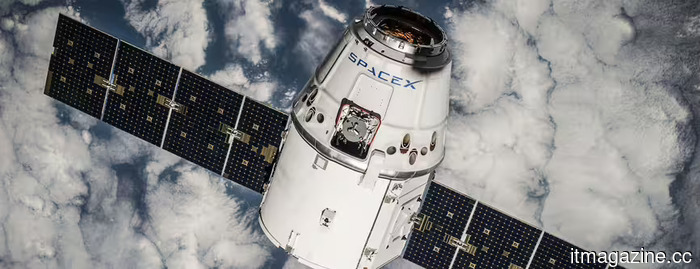 SpaceX reduces IPO target to $1.8 trillion, with marketing commencing on June 4.
SpaceX has lowered its IPO valuation estimate from over $2 trillion to a minimum of $1.8 trillion. Marketing efforts will commence on June 4, with pricing potentially occurring as soon as June 11. The projected revenue for 2025 is $18.7 billion, alongside a loss of $4.94 billion.
SpaceX reduces IPO target to $1.8 trillion, with marketing commencing on June 4.
SpaceX has lowered its IPO valuation estimate from over $2 trillion to a minimum of $1.8 trillion. Marketing efforts will commence on June 4, with pricing potentially occurring as soon as June 11. The projected revenue for 2025 is $18.7 billion, alongside a loss of $4.94 billion.
 Nvidia invests $6.5 billion in photonics to overcome AI's copper limitations.
Nvidia has allocated over $6.5 billion to photonics since March, focusing on Coherent, Lumentum, Marvell, Corning, and Ayar Labs to substitute copper with light in AI data centers.
Nvidia invests $6.5 billion in photonics to overcome AI's copper limitations.
Nvidia has allocated over $6.5 billion to photonics since March, focusing on Coherent, Lumentum, Marvell, Corning, and Ayar Labs to substitute copper with light in AI data centers.
SpaceX reduces IPO target to $1.8 trillion, with marketing set to begin on June 4.
SpaceX has reduced its IPO valuation target from over $2 trillion to a minimum of $1.8 trillion. Marketing will start on June 4, with pricing potentially as soon as June 11. The company anticipates revenue of $18.7 billion in 2025, with a projected loss of $4.94 billion.